Complete Domestic Canary Care Guide for Beginners
A complete beginner guide to domestic canary care: choosing a canary, cage setup, food, water, sleep, light, bathing, cleaning, molting, breeding and routine.
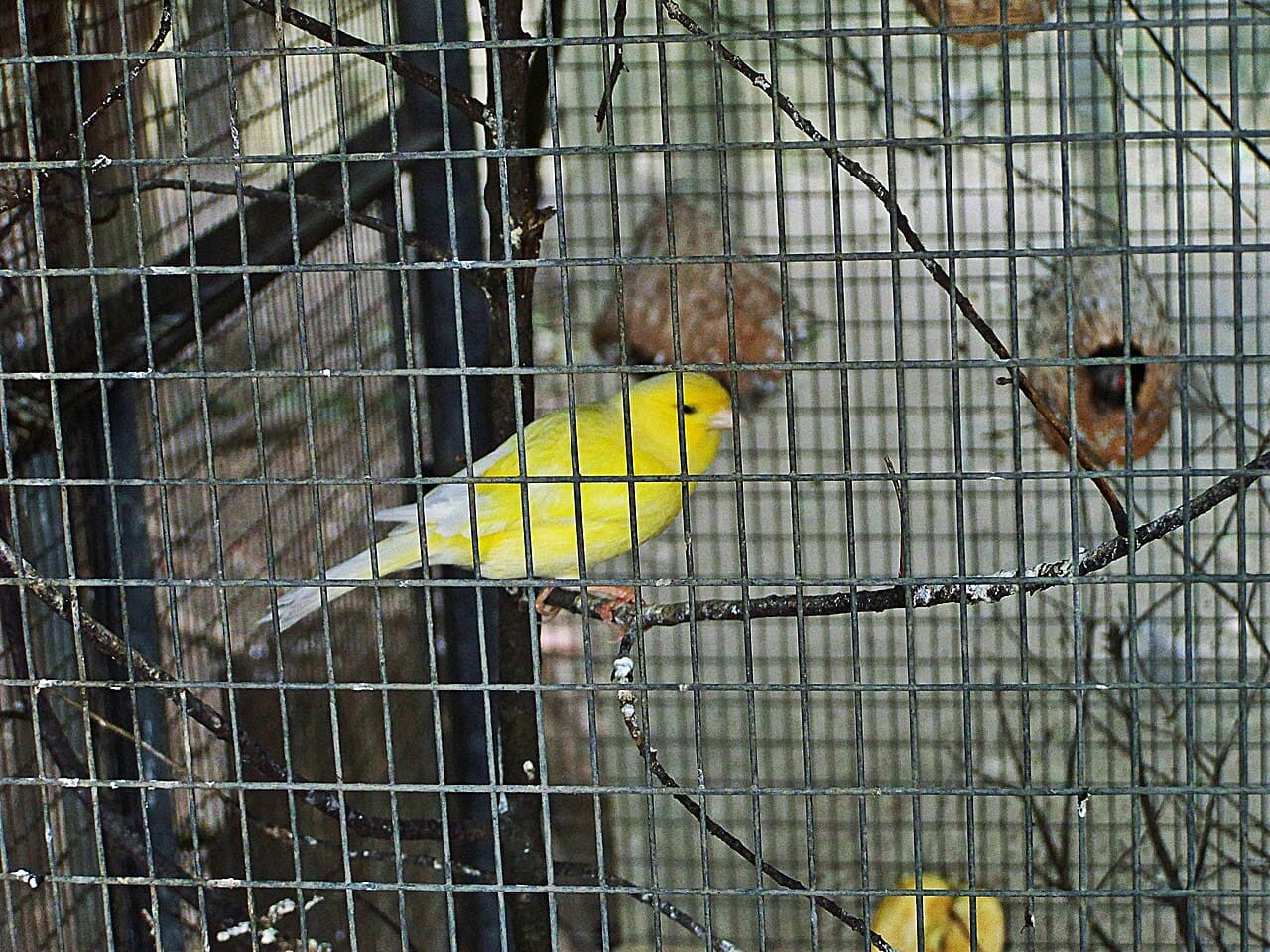
In this guide
Quick answer To care for a domestic canary well, provide a long cage with room to fly, a quality canary seed mix or pellets plus fresh vegetables every day, clean water daily, a weekly full cage clean, regular baths, 10–12 hours of quiet darkness at night, and a calm, draft-free, fume-free room. Watch your bird daily so you notice any change early.
Canaries are among the most rewarding small birds to keep. They do not need handling or constant attention, but they do depend completely on you for space, diet, cleanliness and routine. This guide covers every part of canary care in the order a new owner needs it, with links to the detailed guides on each topic.
1. Choosing a canary
Start by deciding what you want from your bird.
- Song: Only males sing a full song. If song matters, buy a bird you have heard singing, from a breeder who can confirm its sex. Song breeds such as the Roller and Spanish Timbrado have very different voices — soft and deep versus loud and bright.
- Appearance: Type canaries such as the Gloster, Border and Fife Fancy are bred for shape. Color canaries such as the Red Factor are bred for color.
- Ease of care: Most common varieties are equally easy to keep as pets. Use the comparison tool to compare them.
What a healthy canary looks like
When you choose a bird, look for:
| Check | Healthy sign |
|---|---|
| Eyes | Bright, clear, fully open |
| Feathers | Smooth and tight in the daytime; no bald patches |
| Vent | Clean, not stained or pasted with droppings |
| Breathing | Quiet, with no tail bobbing at rest |
| Behavior | Alert, active, moving around and eating |
| Feet | Smooth scales, all toes and nails present |
Avoid any bird that sits fluffed up with half-closed eyes, sits on the cage floor, or breathes with visible effort.
2. Preparing the cage
Set the cage up before your canary comes home.
- Size: Length matters most, because canaries fly from end to end. A cage of at least 60 cm (24 in) long is a common minimum for a single bird; longer is better. See best cage size for a canary.
- Bar spacing: Around 1 cm (about 3/8 in) or less, so a canary cannot get its head stuck.
- Perches: Two or three perches of different diameters, ideally natural wood, placed at each end to encourage flight. Avoid sandpaper perch covers.
- Dishes: Separate containers for seed, water and fresh food, placed where droppings will not fall into them.
- Location: A bright, calm room away from the kitchen, drafts, heaters and direct midday sun. See where to put a canary cage.
The full walkthrough is in best cage setup for a canary.
3. Food
A good canary diet has four parts:
- A base food — a good-quality canary seed mix or canary-sized pellets, always available.
- Fresh vegetables and greens — offered daily, such as leafy greens, broccoli, grated carrot and cucumber.
- Occasional fruit and egg food — small amounts of fruit as treats; egg food for extra protein during molting and breeding.
- Calcium — a cuttlebone or mineral block in the cage at all times.
Seed alone is not a complete diet. Read what do canaries eat for the full picture, and learn the foods canaries should avoid — especially avocado, chocolate, caffeine, alcohol, salty foods, onion and garlic.
Tip Every morning, blow the empty husks off the top of the seed dish. Canaries hull their seed and leave the husks behind, so a dish can look full when there is nothing left to eat.
4. Water
Give fresh water every day. Do not just top it up: empty the container, rinse or wash it, and refill. Water containers collect droppings, seed dust and a slimy film surprisingly fast. In hot weather or when a bird is bathing in its drinker, change water more than once a day.
Use clean drinking water. Do not add supplements or vitamins to water unless an avian vet advises it — they encourage bacterial growth and make it hard to tell how much the bird is drinking.
5. Sleep
Canaries need roughly 10–12 hours of quiet darkness each night. Too little rest, or late-night lights and television, is a common cause of stress and of out-of-season molting. Keep bedtime and wake-up time consistent. A light cover over part of the cage can help in a room that stays bright. See how much sleep does a canary need.
6. Lighting
Canaries are strongly influenced by day length. Lengthening days in spring bring birds into breeding condition; shortening days after summer help trigger the molt. A natural day-night rhythm, in a room with good daylight, is the simplest way to keep these cycles regular.
Direct sun through a window can overheat a cage in minutes, so there must always be shade available. Read do canaries need sunlight for practical setups.
7. Bathing
Most canaries love to bathe, and bathing helps keep feathers clean and supple, especially during the molt. Offer a shallow dish of room-temperature water or a clip-on bath several times a week, ideally in the morning so the bird is dry well before night. Remove the bath afterwards. See do canaries need a bath.
8. Cleaning
| How often | Task |
|---|---|
| Daily | Wash water and fresh-food dishes, blow husks off seed, remove old fresh food, spot-clean droppings |
| Every 1–3 days | Change the cage floor paper or liner |
| Weekly | Full clean: empty cage, wash tray, wipe bars, scrub perches, wash all dishes |
| Monthly or as needed | Deep clean and dry everything thoroughly; check for wear and loose wire |
Use hot water and a mild, bird-safe cleaner, rinse thoroughly and let everything dry. See how often should you clean a canary cage.
9. Exercise
Canaries get their exercise by flying. A long cage with perches at each end does more for a canary's fitness than any toy. Free-flying in a room is possible but has real risks — windows, mirrors, open doors, other pets, hot pans and the stress of being caught again — so a large flight cage is the safer way to give more flying space.
Avoid filling the cage with toys, swings and mirrors. They block flight, and canaries, unlike parrots, gain little from them.
10. Behavior
Learn what normal looks like for your bird: how much it eats, how it sounds, how active it is and how it sits. Changes in those patterns are often the first sign of a problem. A settled canary is alert, moves freely, preens and bathes, and (if male) sings.
The canary behavior guide covers common questions, including why a canary is not singing, why a canary is afraid of you and signs of stress.
11. Molting
Once a year, usually in late summer and autumn, adult canaries replace their feathers. A normal molt is gradual and lasts several weeks. Males usually sing less or stop. Feed extra protein (egg food), keep the routine calm, and keep bath water available. Bald patches or a molt that never seems to end are reasons to consult an avian vet. See the complete canary molting guide.
12. Breeding
If you keep a male and female together, they will try to breed when spring days lengthen. Breeding should be planned, not accidental: you need a breeding cage, nest pans, the right diet, and homes for the young. Read the complete canary breeding guide before you pair birds.
If you do not want to breed, keeping birds of one sex — or a single bird — is the simplest approach.
13. Chicks
Canary chicks hatch after about 13–14 days of incubation, leave the nest at around 16–21 days and are usually feeding themselves by 4–5 weeks. Good parents do nearly all the work; your job is to provide egg food, greens, calm and a clean environment. See canary chick care.
14. Common problems
Most everyday problems — a canary that stops singing, throws its seed around, panics at night or seems quiet in a new home — come down to environment, season or routine. The canary problems hub works through them step by step.
When to get help Contact an avian veterinarian promptly if your canary is fluffed up for long periods, sitting on the cage floor, breathing with its tail bobbing, not eating, losing weight, has abnormal droppings, or has an injury. Small birds hide illness well, so by the time signs are obvious they need attention quickly.
15. Daily routine
A simple daily routine takes about 10 minutes:
- Check the bird: alert, eating, normal breathing and droppings.
- Change the water and wash the drinker.
- Blow off husks and top up the seed or pellets.
- Offer fresh vegetables and remove yesterday's leftovers.
- Spot-clean droppings and dirty floor covering.
- Offer a bath (several times a week).
- Keep evenings calm and lights off at a regular bedtime.
Use the interactive daily canary care checklist or read the detailed daily canary care routine.
16. Common mistakes
- A cage that is tall rather than long.
- A seed-only diet with no vegetables.
- Water that is topped up rather than changed.
- Keeping the cage in the kitchen, near cooking fumes.
- Late nights under bright lights.
- Too many toys and perches blocking flight.
- Housing two males together, or a male and female without a breeding plan.
- Waiting too long to seek help when a bird looks unwell.
Each of these is covered in common canary care mistakes.
Frequently asked questions
Are canaries good pets for beginners?
Yes. Canaries are one of the easiest pet birds to keep well. They do not need handling, they are relatively quiet compared with parrots, and their needs — space, a varied diet, cleanliness and a steady routine — are simple to meet every day.
Do canaries like to be held?
Most do not. Canaries are watch-and-listen birds rather than hands-on pets. Some become calm and trusting around their keeper, but handling should be kept to what is necessary.
Is it better to have one canary or two?
A single canary can live happily alone. If you want two, two females usually get on well; two males often argue; a male and female will try to breed in spring. Choose based on what you want, and plan cage space accordingly.
How much time does a canary need each day?
The essential daily care — water, food, fresh greens, a quick check of the bird and a spot clean — takes around 10 minutes. Add a weekly full clean of 30–60 minutes.
This guide shares general husbandry information and practical keeping experience. It is not veterinary advice. If your canary seems unwell, contact an avian veterinarian. Spotted an error? Report a correction.
Related guides
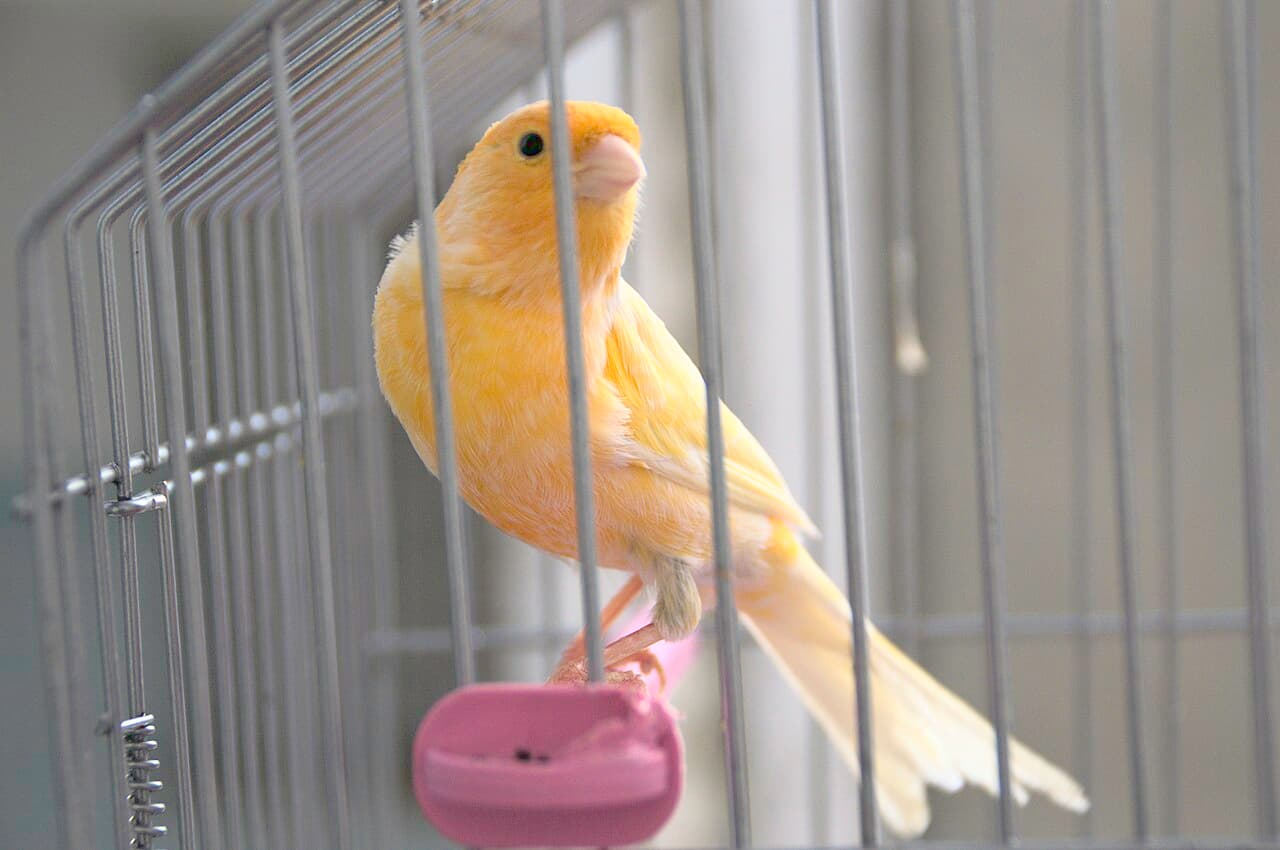
Daily Canary Care Routine
A practical daily canary care routine covering water, food, fresh greens, health checks, cleaning, bathing and bedtime — plus weekly and seasonal tasks.
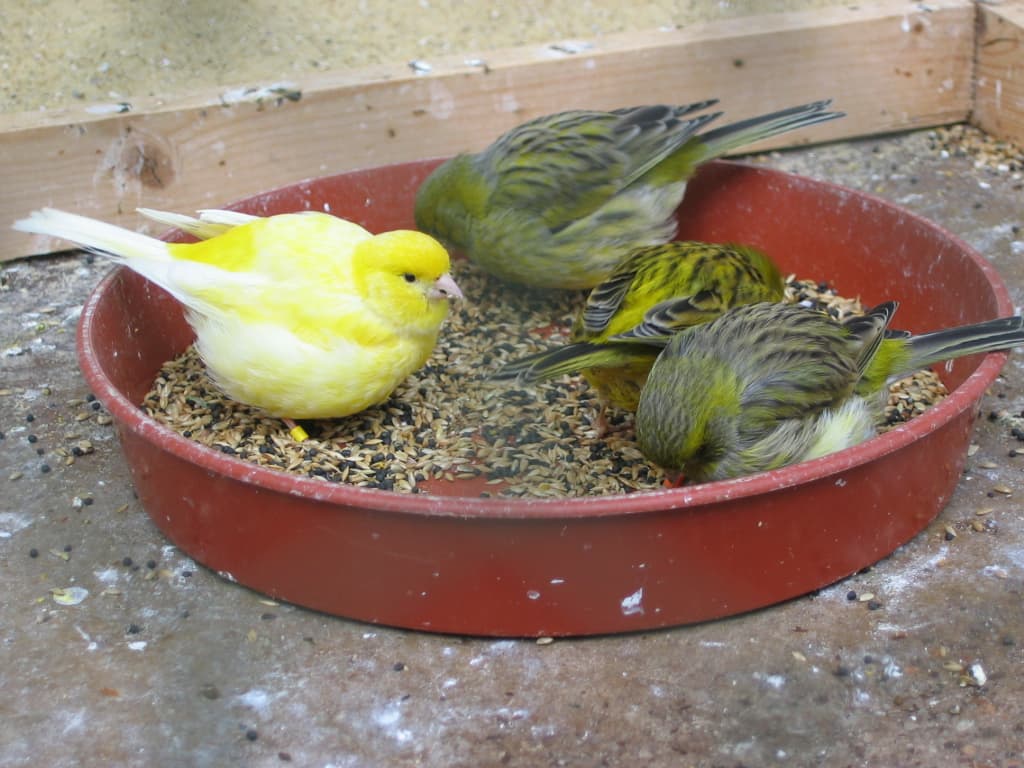
What Do Canaries Eat?
What domestic canaries eat — seed mixes, pellets, vegetables, greens, fruit, egg food, calcium and water — with a sample daily feeding plan and seasonal changes.
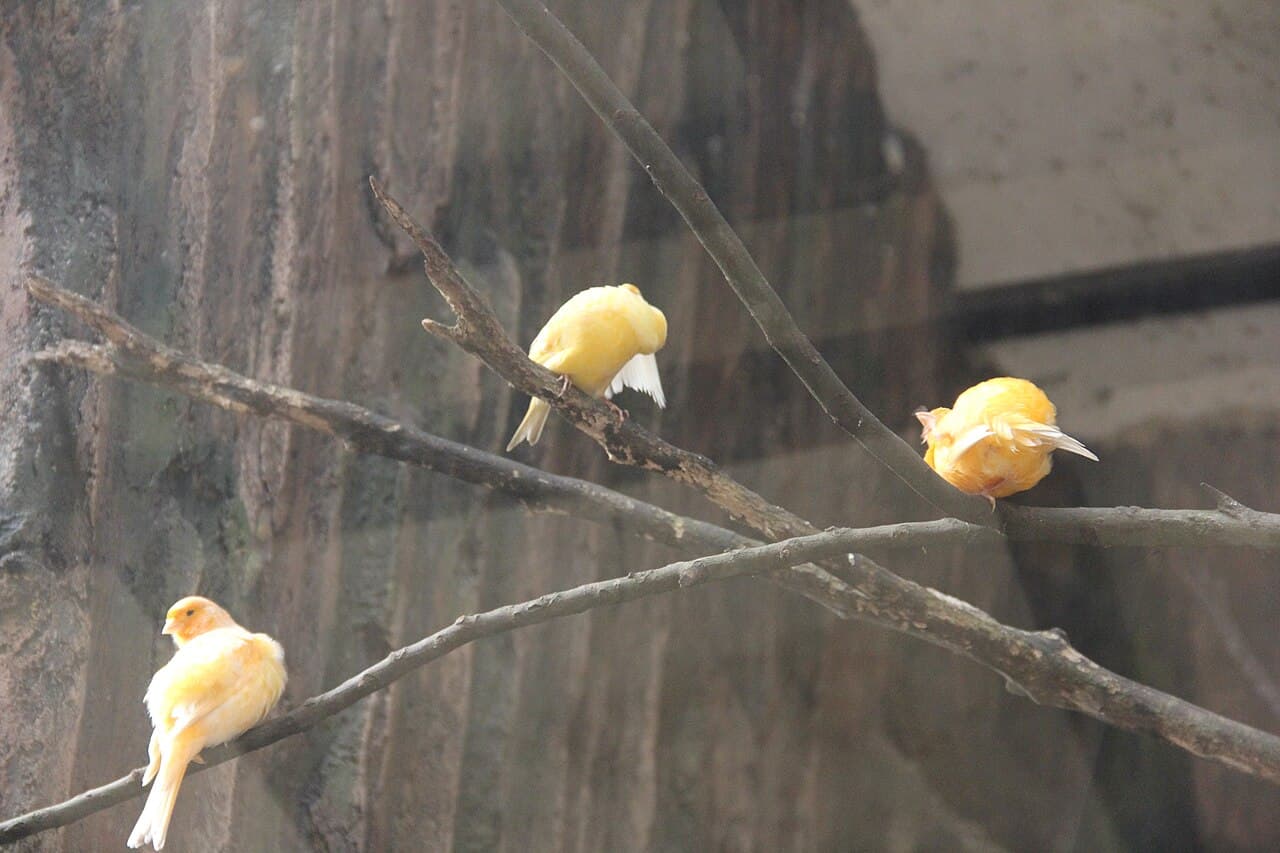
Best Cage Setup for a Canary
How to set up a canary cage properly — cage shape, perch types and placement, food and water dishes, bath, cuttlebone, floor covering and what to leave out.
Common Canary Care Mistakes
The most common canary care mistakes — from tall cages and seed-only diets to kitchen fumes and late nights — and simple ways to fix each one.