Why Is My Canary Not Singing? 10 Common Reasons
The most common reasons a canary is not singing — female bird, molting, age, new home, season, stress, light and health — and practical steps to help a male sing again.
In this guide
Quick answer The most common reasons a canary is not singing are that it is a female, it is molting, it is young, it has recently moved, or it is the wrong time of year. Stress, too little rest, poor light, an unbalanced diet and illness can also stop song. If a silent canary is also fluffed up, eating less or breathing with effort, contact an avian vet.
Song is the reason many people choose a canary, so a silent bird is worrying. Usually the explanation is simple. Work through the reasons below in order — the first five account for most silent canaries.
1. Your canary may be female
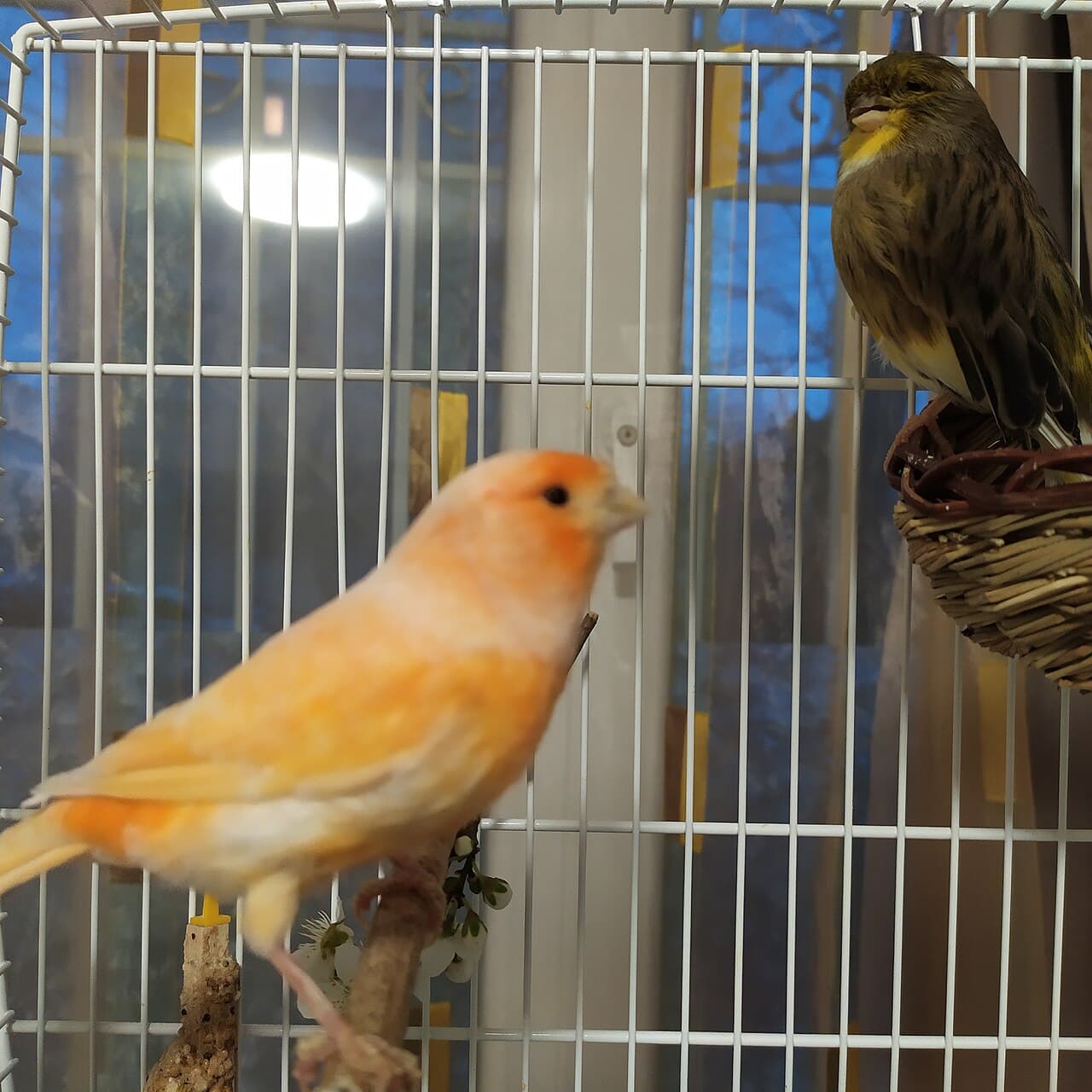
Only male canaries sing the full, rolling canary song. Females chirp and call, and some produce short twittering phrases, but they rarely sing like a male. Pet shop birds are not always sexed reliably, especially when young.
See male vs female canary for the differences.
2. It is molting
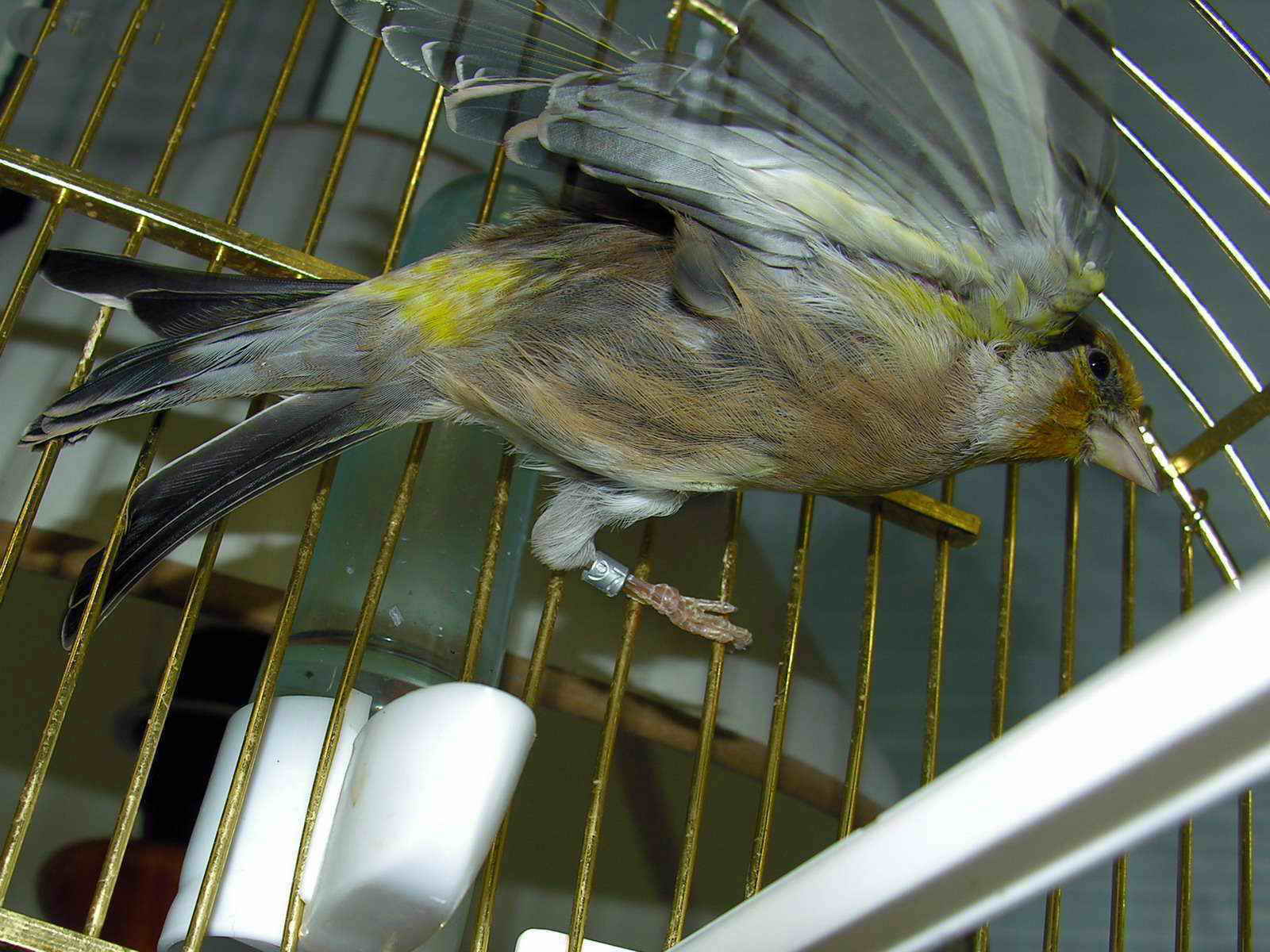
During the annual molt — usually late summer to autumn — most males sing much less or stop completely. Growing new feathers takes a lot of energy. Song typically returns gradually after the molt finishes.
See complete canary molting guide.
3. It is young
Young males start with a quiet, scratchy, rambling sub-song and take months to develop a full song. A bird bought in its first summer or autumn may not sing properly until the following winter or spring.
4. It has just moved
A new home, a new cage or even a new room can silence a canary for days or weeks. The bird needs to feel secure before it sings. See canary stops singing after moving.
5. It is the wrong time of year
Canary song follows the seasons. Males usually sing most strongly from winter into spring and through the breeding season, and least during and just after the molt.
| Time of year (Northern Hemisphere) | Typical singing |
|---|---|
| Late winter to spring | Strong and frequent |
| Early summer | Often still strong; may reduce after breeding |
| Late summer to autumn (molt) | Much less, or none |
| Late autumn to winter | Song gradually returns |
6. Stress
Canaries do not sing when they feel threatened. Common stressors include a cat or dog nearby, a cage in a busy hallway, sudden loud noise, a bullying cage mate or being handled often. See signs of canary stress.
7. Too little rest or irregular light
Late evenings under lights and irregular day length can disrupt a canary's seasonal rhythm, cause out-of-season molting and reduce song. Aim for 10–12 hours of darkness. See how much sleep does a canary need.
8. Diet
A seed-only diet, or a lack of fresh food, can leave a bird in poorer condition. Add vegetables, greens and occasional egg food. See what do canaries eat.
9. Living with a female or a rival
A bonded male living with a female may sing less. Two males together may compete, and a dominated male may stay silent.
10. Health
Illness, particularly anything affecting breathing, often stops a canary from singing. Silence with no obvious reason, especially combined with other changes, should be taken seriously.
When to get help Contact an avian vet if a silent canary is also fluffed up for long periods, sleeping much more, eating less, sitting on the cage floor, breathing with a clicking sound or tail bobbing, or has changed droppings or a changed voice.
How to help a male canary sing again
- Confirm it is male if you are not sure.
- Check the season and molt status. If it is molting, be patient and support it with good food and baths.
- Give it a secure spot — calm room, wall behind the cage, no pets nearby.
- Keep a regular day-night routine with proper darkness at night.
- Improve the diet with fresh vegetables and some egg food.
- Let it hear other canaries — another singer in the room, or quiet recordings of canary song, can encourage some males.
- Give it time. Changes can take weeks to show.
Related guides
Frequently asked questions
Do female canaries sing?
Female canaries usually do not sing the full, continuous song of a male. They chirp, call and sometimes produce short twittering phrases. Occasionally a female sings more, but a full, strong song almost always means a male.
At what age do canaries start singing?
Young males begin practicing a quiet, rambling "sub-song" within their first months. Their full adult song usually develops over the following months and is often settled by their first spring.
Will a mirror make my canary sing?
It is not recommended. A mirror may trigger display, but it can also frustrate a male. Good conditions — space, diet, light, rest and calm — are a better way to encourage song.
Does a canary sing more alone or with a female?
Many keepers find a male sings most when housed alone but within sight or hearing of other canaries. A male living with a female may sing less once the pair has bonded.
This guide shares general husbandry information and practical keeping experience. It is not veterinary advice. If your canary seems unwell, contact an avian veterinarian. Spotted an error? Report a correction.
Related guides
Complete Canary Molting Guide
Canary molting explained: when it happens, how long it lasts, normal feather loss, juvenile and soft molts, why song stops, and how to help your bird.
Male vs Female Canary
How to tell male and female canaries apart — singing, behavior, vent shape in breeding condition and other clues — and why sexing young canaries is difficult.
Signs of Canary Stress
How to recognize stress in a canary — panic, feather condition, reduced singing, appetite changes — the common causes at home and how to create a calmer environment.
Canary Stops Singing After Moving
Why canaries often stop singing after moving to a new home, cage or room, how long silence usually lasts, and practical steps to help a male canary sing again.