Why Is My Canary Afraid of Me? How to Build Trust
Why canaries panic or flutter when you come near, and practical steps to help a nervous canary feel safe — cage position, movement, routine and patience.
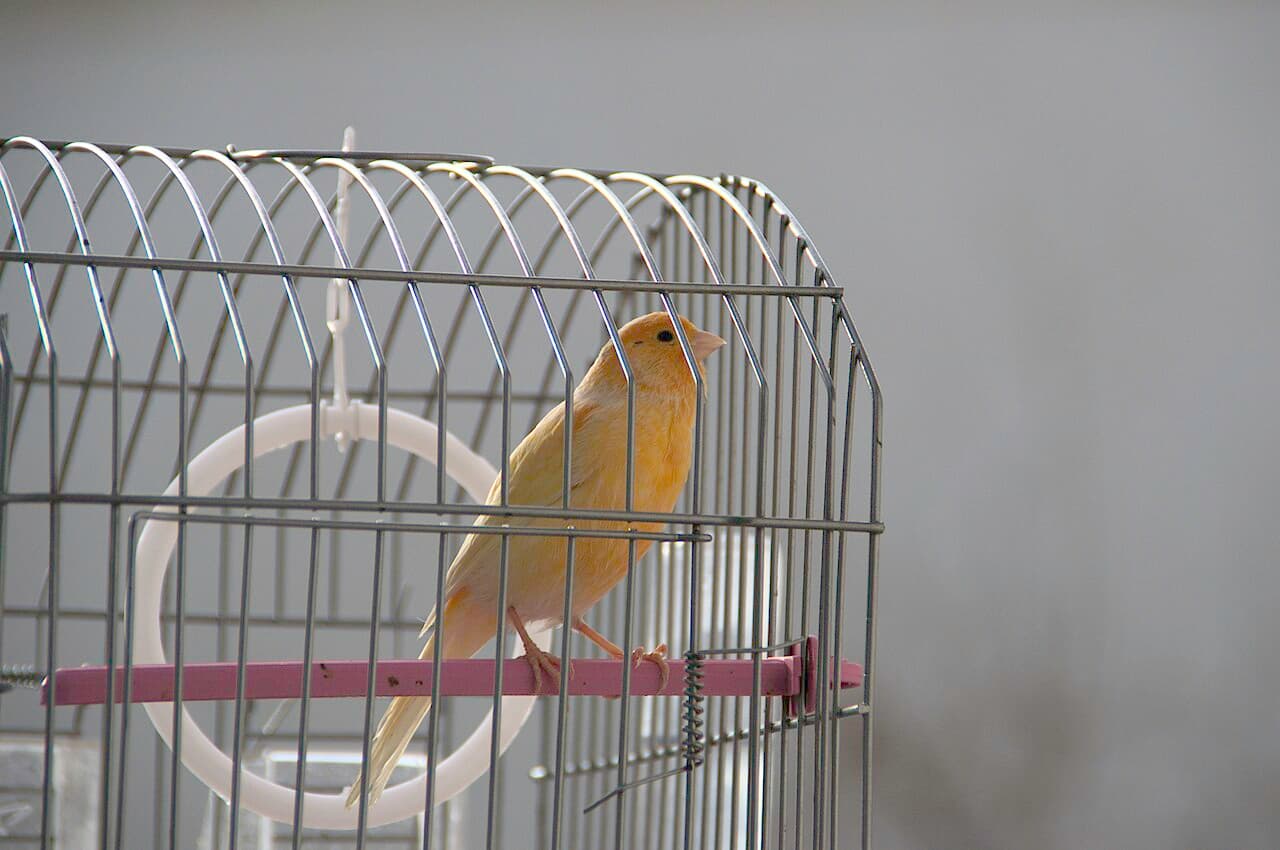
In this guide
Quick answer Canaries are prey animals, so large shapes moving quickly above them, hands reaching into the cage and sudden noises naturally trigger fear. Most nervous canaries become calmer when the cage is at head height against a wall, you move slowly and talk softly, you keep a predictable daily routine and you avoid chasing or handling the bird unnecessarily.
A canary that panics whenever you approach is not being "unfriendly". It is behaving exactly as a small wild-type bird would. The good news is that most canaries learn to trust a calm, predictable keeper.
Why canaries are naturally fearful
- They are prey animals. In the wild, survival depends on fleeing from anything large and sudden.
- Hands look like predators. A hand reaching into the cage from above resembles an attack.
- They are not naturally hands-on birds. Unlike many parrots, canaries are not usually handled for companionship.
Common reasons for fear
| Cause | What helps |
|---|---|
| New bird or new home | Time, quiet and routine. See introducing a canary to a new home |
| Cage too low or exposed in the middle of a room | Move to head height, against a wall |
| Approaching quickly or from above | Approach slowly from the front, at the bird's level |
| Reaching in often | Use a pull-out tray and outside-access dishes |
| Catching or chasing the bird | Avoid unless necessary; when needed, do it calmly and quickly |
| Pets nearby | Keep cats and dogs away from the cage |
| Previous rough handling | Patience — trust takes longer to rebuild |
Step-by-step: helping a nervous canary
- Fix the setup first. Head-height cage, one side against a wall, calm room.
- Be predictable. Do the daily routine at the same time and in the same order.
- Move slowly and talk softly whenever you are near the cage.
- Spend quiet time nearby — reading or working in the same room — so your presence becomes normal.
- Offer a favorite food such as a broccoli floret or a piece of egg food, then step back.
- Avoid unnecessary handling.
What progress looks like
- The bird keeps eating when you enter the room.
- It stays on its perch when you change the water.
- It bathes or sings with you nearby.
- Eventually it may take a treat from near your fingers.
For a more active approach to trust-building, see how to tame a canary.
Night panics are different
If your canary panics in the dark — fluttering wildly at night — that is usually a night fright, triggered by a sudden light, noise or animal. A very dim night light and a check for nighttime disturbances usually help. See how much sleep does a canary need.
Related: signs of canary stress.
Frequently asked questions
Will my canary ever stop being afraid of me?
Most canaries become much calmer around their keeper with time and a steady routine. Few become hand-tame like a parrot, but many will carry on eating, bathing and singing while you work around the cage.
Is it bad if my canary flutters when I clean the cage?
Some fluttering during cleaning is common. Reduce it by moving slowly, keeping your hands low, cleaning at the same time each day and using a pull-out tray so you rarely need to reach inside.
This guide shares general husbandry information and practical keeping experience. It is not veterinary advice. If your canary seems unwell, contact an avian veterinarian. Spotted an error? Report a correction.
Related guides
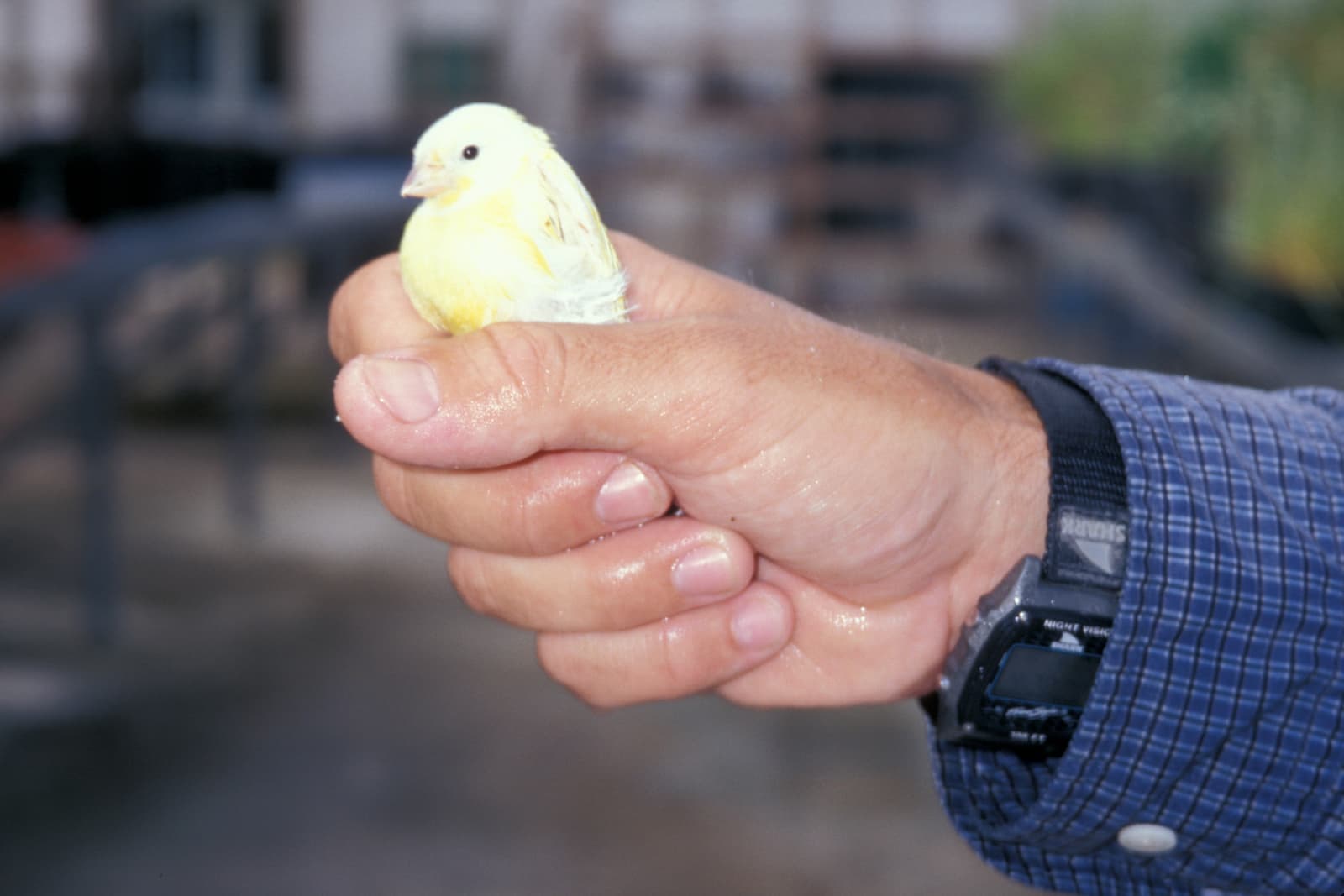
How to Tame a Canary
A realistic guide to taming a canary — what "tame" means for a canary, a step-by-step trust-building plan using routine and food, and what not to do.
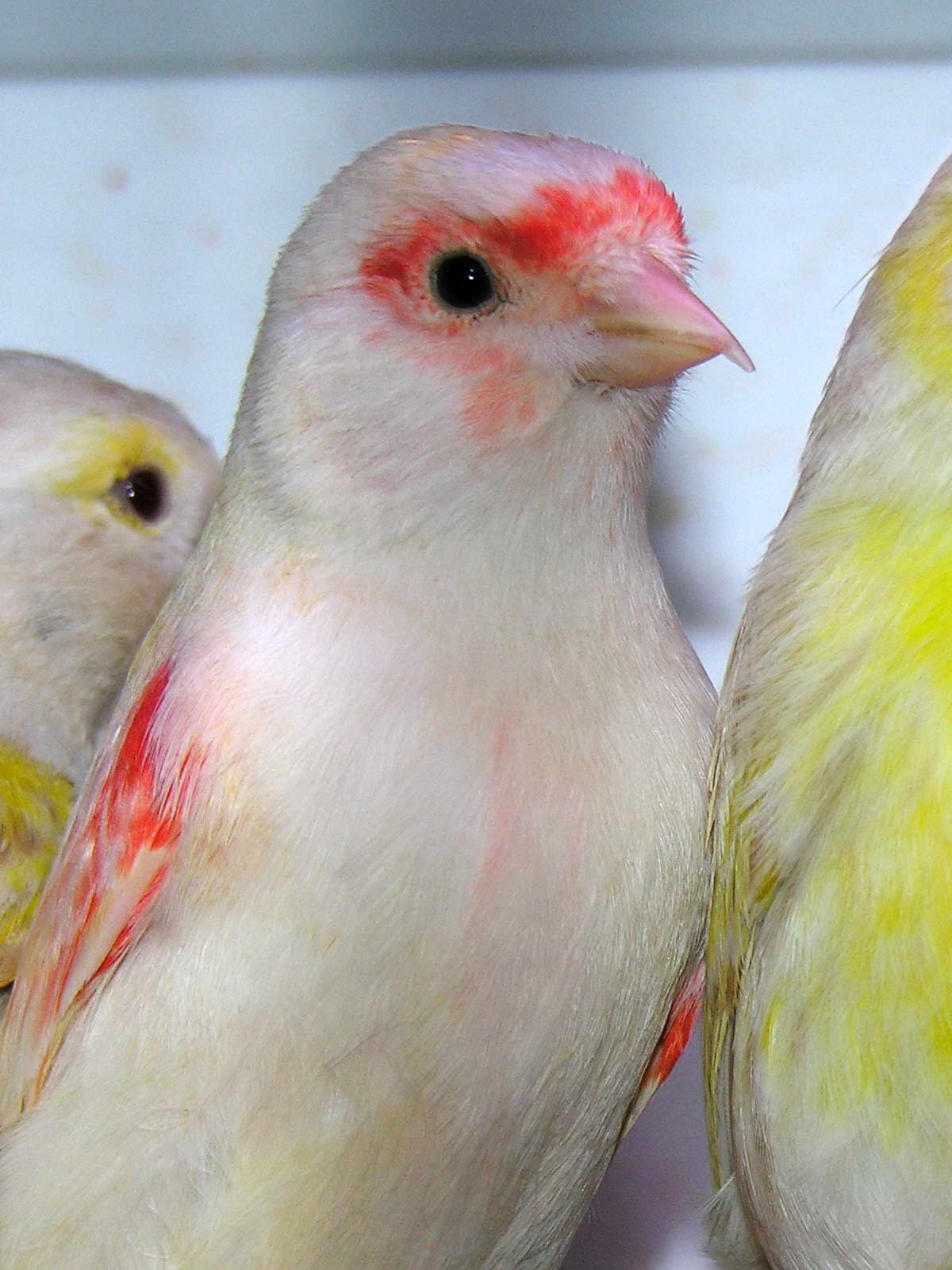
Signs of Canary Stress
How to recognize stress in a canary — panic, feather condition, reduced singing, appetite changes — the common causes at home and how to create a calmer environment.
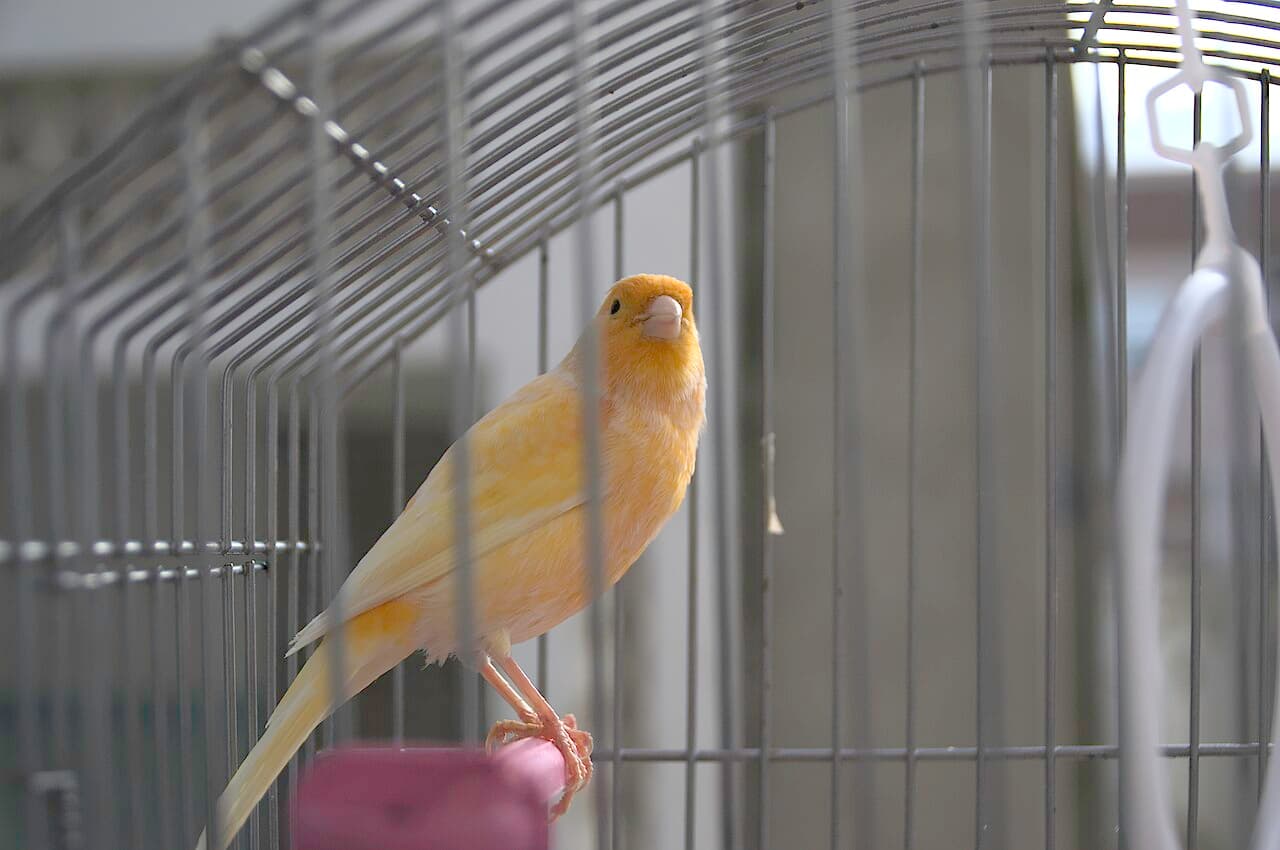
How to Introduce a Canary to a New Home
A calm, step-by-step plan for bringing a new canary home — preparing the cage, the journey, the first days, when it will start singing and introducing it to other birds.
Complete Canary Care Guide
A complete beginner guide to domestic canary care: choosing a canary, cage setup, food, water, sleep, light, bathing, cleaning, molting, breeding and routine.