Canary Types
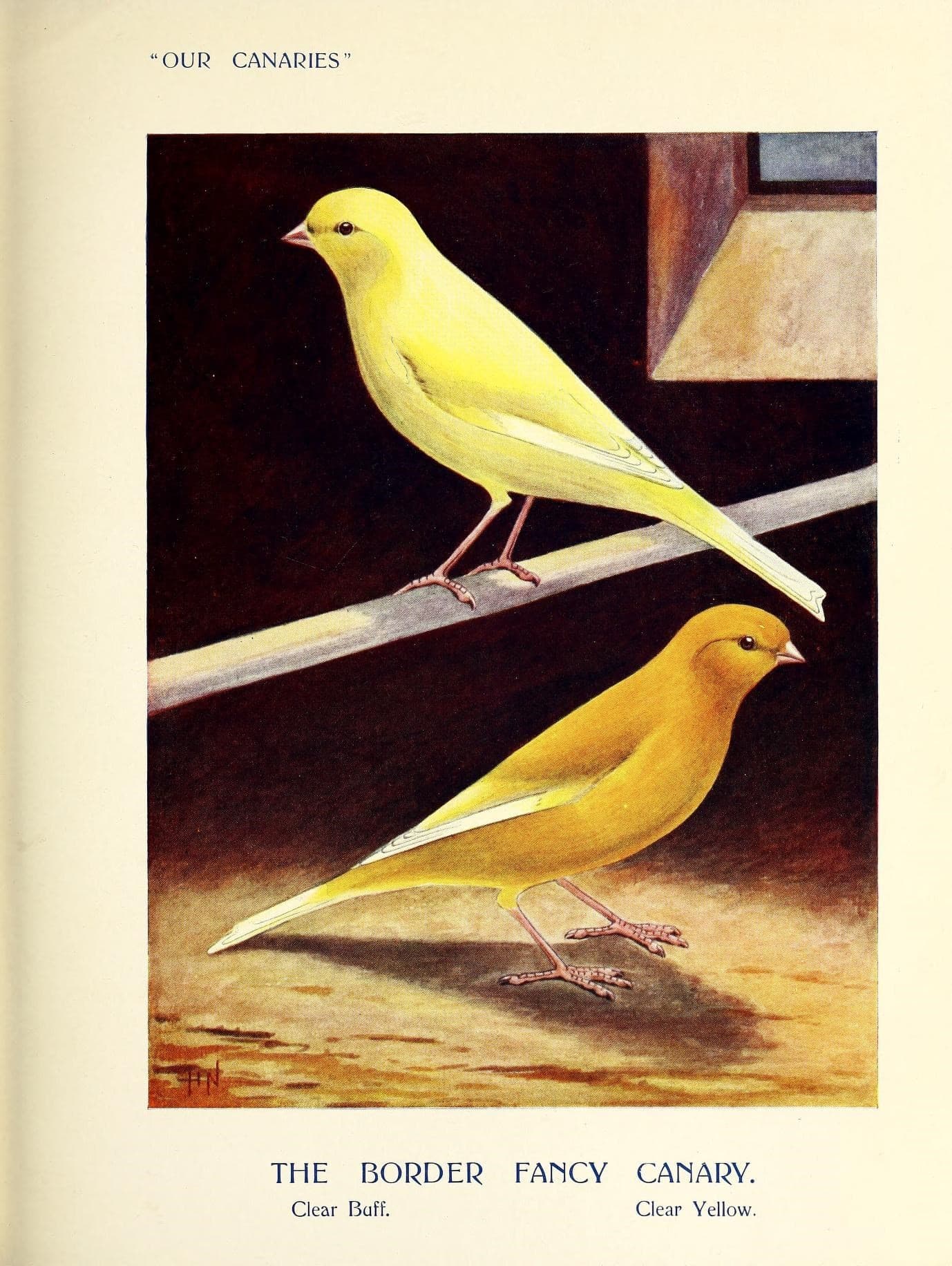
Border Canary
A guide to the Border canary (Border Fancy): Anglo-Scottish origin, appearance, colors, temperament, care, breeding and how it differs from the Fife and Gloster.
Every domestic canary descends from the wild Atlantic canary, but centuries of selective breeding have produced dozens of varieties. Breeders group them by what they were bred for — song, shape (type) or color.
A guide to the Border canary (Border Fancy): Anglo-Scottish origin, appearance, colors, temperament, care, breeding and how it differs from the Fife and Gloster.
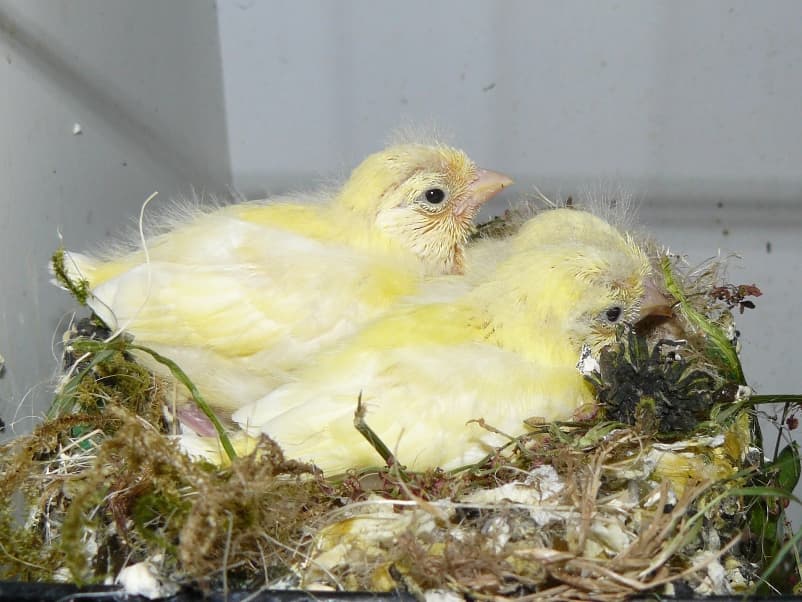
A guide to the Fife Fancy canary — developed in Fife, Scotland as a smaller Border — covering appearance, colors, temperament, care, breeding and beginner suitability.
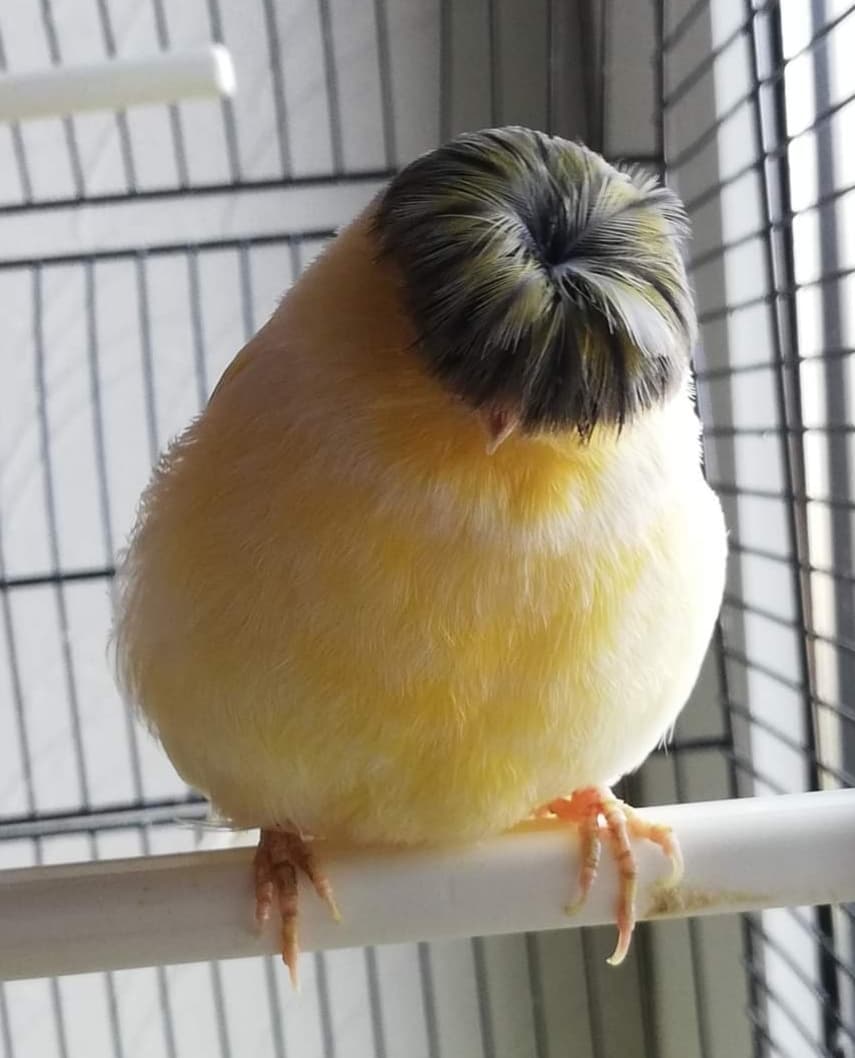
Gloster canary guide: origin, Corona and Consort forms, appearance, colors, temperament, care, breeding rules for crested birds and beginner suitability.

A guide to the Roller canary (Harz Roller) — its German origin, soft closed-beak song and song tours, appearance, care, training, breeding and suitability as a pet.
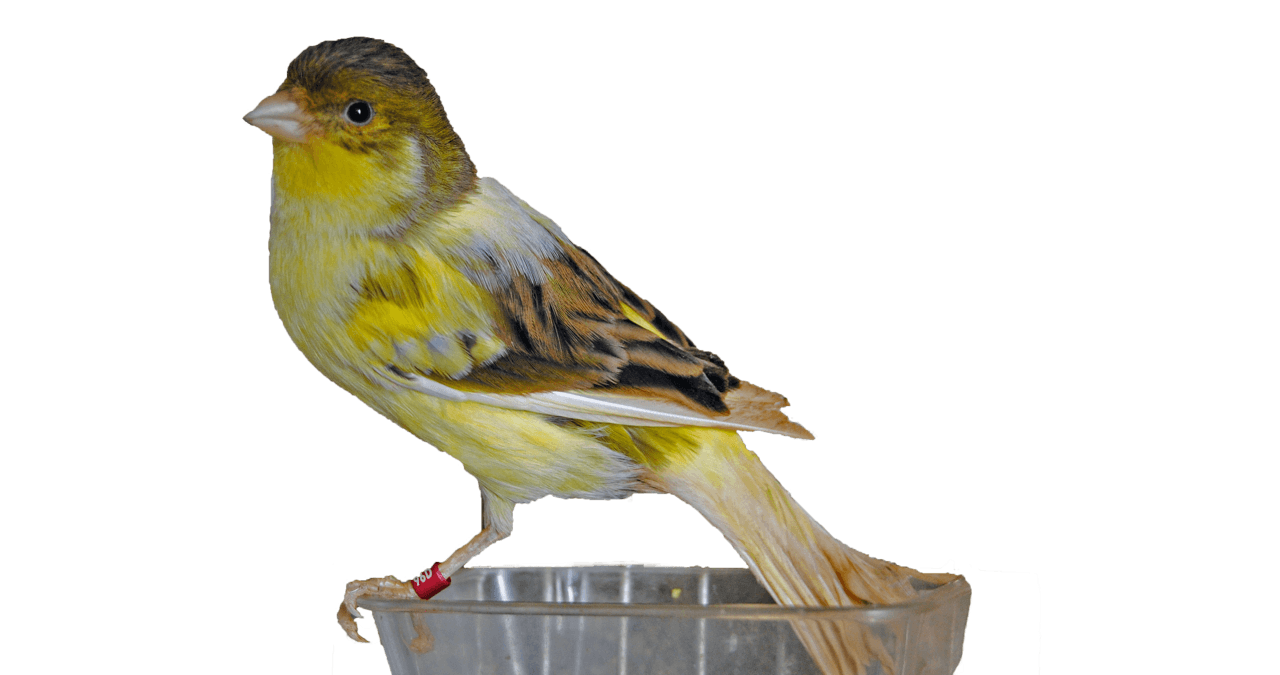
Spanish Timbrado canary guide: Spanish origin, loud metallic open-beak song, appearance, temperament, care, breeding and how it compares with the Roller.

Red factor canary guide: red siskin ancestry, history, colors and feather types, care, color feeding during the molt and breeding considerations.
All domestic canaries are the same species, Serinus canaria domestica, descended from the wild Atlantic canary of the Canary Islands, Madeira and the Azores. What separates the varieties is the goal breeders selected for.
| Group | Bred for | Examples |
|---|---|---|
| Song canaries | The quality and style of the male's song | Roller (Harz Roller), Spanish Timbrado, American Singer, Waterslager, Russian Singer |
| Type canaries | Shape, size, posture or feather — sometimes called "posture" or "fancy" canaries | Gloster, Border, Fife Fancy, Norwich, Yorkshire, Lancashire, Belgian, Stafford, frilled breeds |
| Color canaries | Color and pattern rather than shape or song | Red Factor, Lizard, and the many lipochrome and melanin color mutations |
These groups describe breeding goals, not hard rules. Most male canaries of any variety sing, and type canaries come in many colors. "Not bred for song" simply means the song is not judged.
There is no single best canary — only the best match for what you want:
Use the canary comparison tool to put varieties side by side.
Full guides for more varieties will be added over time. In the meantime:
When sources disagree about a breed's history, this site says so rather than picking one version as fact.
Related topics: Canary Care · Canary Breeding · Canary Housing