Roller Canary (Harz Roller) — Song Canary Guide
A guide to the Roller canary (Harz Roller) — its German origin, soft closed-beak song and song tours, appearance, care, training, breeding and suitability as a pet.

In this guide
Quick answer The Roller canary, or Harz Roller, is a German song canary bred for a soft, deep, continuous song sung with an almost closed beak. Its song is made of distinct passages called "tours". Rollers are small, plain-looking birds that are easy to keep and ideal for anyone who wants a gentle, melodious singer.
Introduction
For people who value song above all else, the Roller is a classic choice. Its voice is quiet and mellow — a rolling, flowing song rather than the bright, piercing notes many people associate with canaries.
Origin
The Roller is associated with the Harz Mountains region of Germany, where canary breeding became an important local craft and canaries were bred specifically for their song.
History
Canary breeding in the Harz region developed over several centuries, and birds from the area were exported widely. The Harz Roller became the standard against which other song canaries were often compared. Exact dates for the breed's formation vary between sources.
Appearance
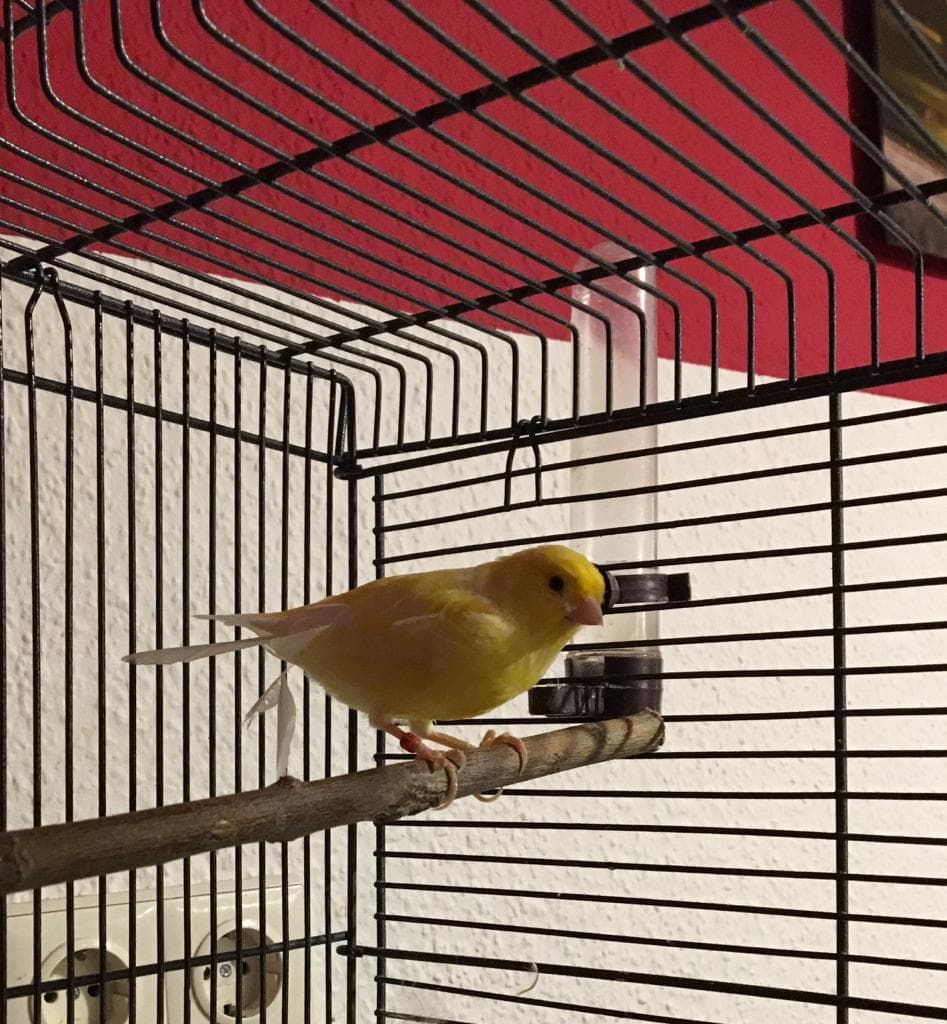
Rollers are small, slim canaries. Appearance is not judged, so they come in a range of colors — commonly green, yellow and variegated — and look like an ordinary small canary.
Typical characteristics
- Bred purely for song
- Sings with an almost closed beak
- Soft, low-pitched, continuous delivery
Colors
Any color is acceptable; most are green, yellow or variegated.
Song characteristics
The Roller's song is made of recognized passages called tours, judged against a song standard. Commonly described tours include the hollow roll, bass, water tour, hollow bell, glucke, knorr and flutes. In contests, birds are scored for the tours they sing and for faults such as harsh or nasal notes.
Temperament
Rollers are generally quiet, calm birds that settle well in a cage.
Care considerations
- Standard canary care: see the complete canary care guide.
- To protect song quality, young males are often kept away from loud, harsh singers.
Cage considerations
Standard: a long cage with flight space. Contest breeders sometimes use song-training cages, but a pet Roller needs a normal, roomy cage.
Food considerations
Standard canary diet. See what do canaries eat.
Breeding considerations
Breeders select parents by song. Young males learn by listening, so they are usually placed near a good tutor bird during the months when their song develops. See the complete canary breeding guide.
Beginner suitability
Suitable as a pet singer. Breeding and training for competition is a specialist pursuit.
Differences from similar varieties
| Compared with | Main difference |
|---|---|
| Spanish Timbrado | Timbrado sings loud and metallic with an open beak; Roller sings soft and deep with a nearly closed beak |
| American Singer | American Singer has a louder, freer song and is also bred for looks |
| Type canaries | Type canaries sing, but their song is not selected for |
Related varieties
Image gallery
Frequently asked questions
Why do Roller canaries sing with their beak closed?
The Roller has been selected for centuries for a soft, deep, rolling song. Singing with the beak nearly closed is characteristic of the breed and contributes to its mellow tone.
Are Roller canaries loud?
No. Rollers are among the quietest canary singers, which makes them popular with people who want song without volume.
Do Rollers need to be trained to sing?
Males sing naturally. Breeders who compete in song contests train young males by letting them hear good tutor birds and by keeping them away from harsh singers.
Sources and further reading
- Harz Roller — Wikipedia
- Domestic canary — Wikipedia
This guide shares general husbandry information and practical keeping experience. It is not veterinary advice. If your canary seems unwell, contact an avian veterinarian. Spotted an error? Report a correction.
Related guides
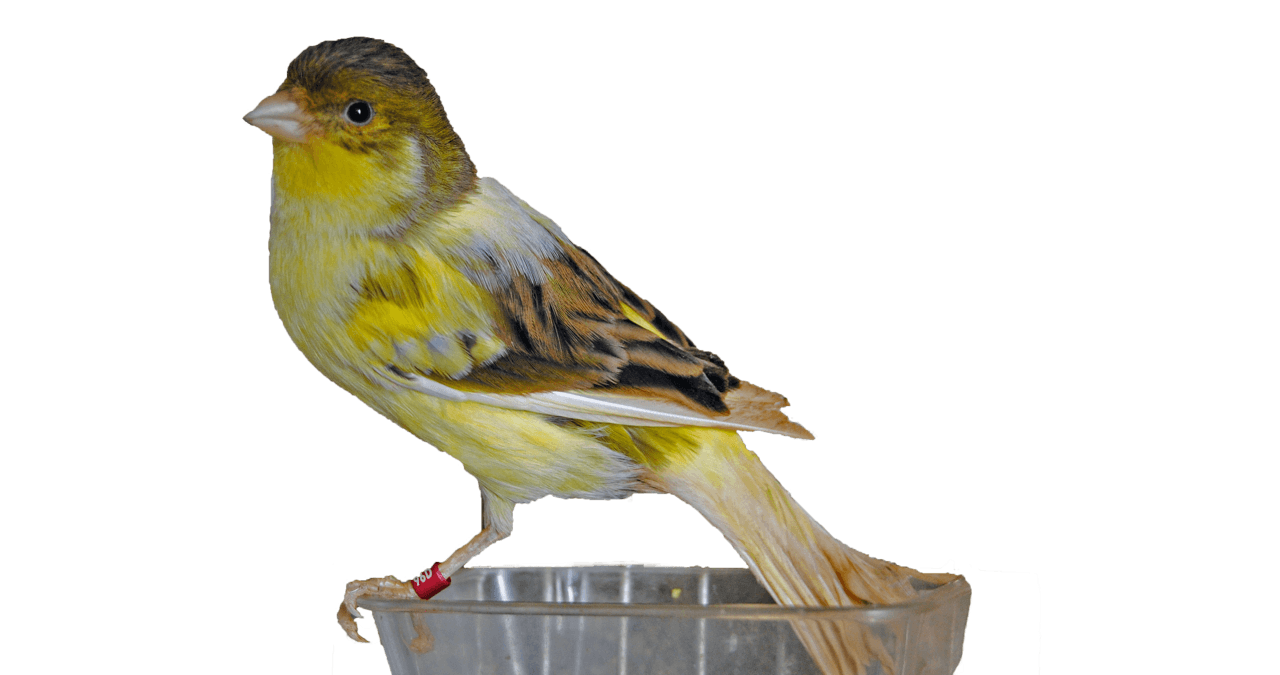
Spanish Timbrado Canary
Spanish Timbrado canary guide: Spanish origin, loud metallic open-beak song, appearance, temperament, care, breeding and how it compares with the Roller.
Why Is My Canary Not Singing?
The most common reasons a canary is not singing — female bird, molting, age, new home, season, stress, light and health — and practical steps to help a male sing again.
Male vs Female Canary
How to tell male and female canaries apart — singing, behavior, vent shape in breeding condition and other clues — and why sexing young canaries is difficult.
Complete Canary Care Guide
A complete beginner guide to domestic canary care: choosing a canary, cage setup, food, water, sleep, light, bathing, cleaning, molting, breeding and routine.