Gloster Canary — Corona and Consort Variety Guide
Gloster canary guide: origin, Corona and Consort forms, appearance, colors, temperament, care, breeding rules for crested birds and beginner suitability.
In this guide
Quick answer The Gloster canary is a small, compact, rounded type canary from England, developed in the 1920s. It comes in two forms: the Corona, with a neat round crest, and the Consort, with a plain head. Glosters are calm, hardy and popular with beginners. Breeders pair Corona to Consort rather than crest to crest.
Introduction
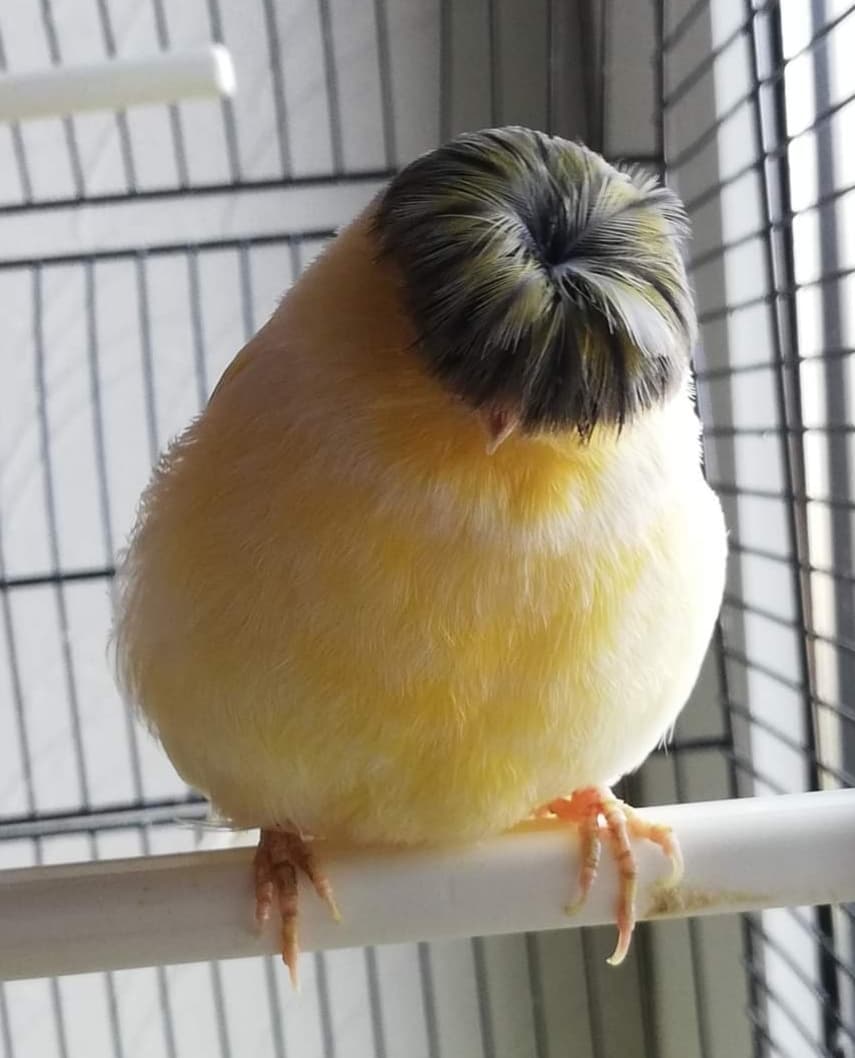
With its tidy round shape and, in the Corona, a crest like a neat "mop-top" haircut, the Gloster is one of the most recognizable canaries in the world. It is one of the most widely kept type canaries and a frequent choice for first-time keepers and exhibitors alike.
Origin
The Gloster takes its name from Gloucestershire, England. It was developed in the 1920s by breeders who aimed to produce a small crested canary. Accounts commonly say that small Border canaries were crossed with small crested canaries — crested Rollers are often mentioned — to fix the miniature crested type. Exact details vary between accounts.
History
The breed was first shown in the mid-1920s and attracted attention for its small size and neat crest. It spread widely during the 20th century and is now kept around the world, with specialist clubs and show standards in many countries. Where sources disagree on names and dates, treat individual details with caution.
Appearance
| Feature | Description |
|---|---|
| Size | Small — standards favor a "diminutive" bird, commonly around 11–12 cm (about 4.5 in) |
| Body | Short, rounded and compact, with a full chest |
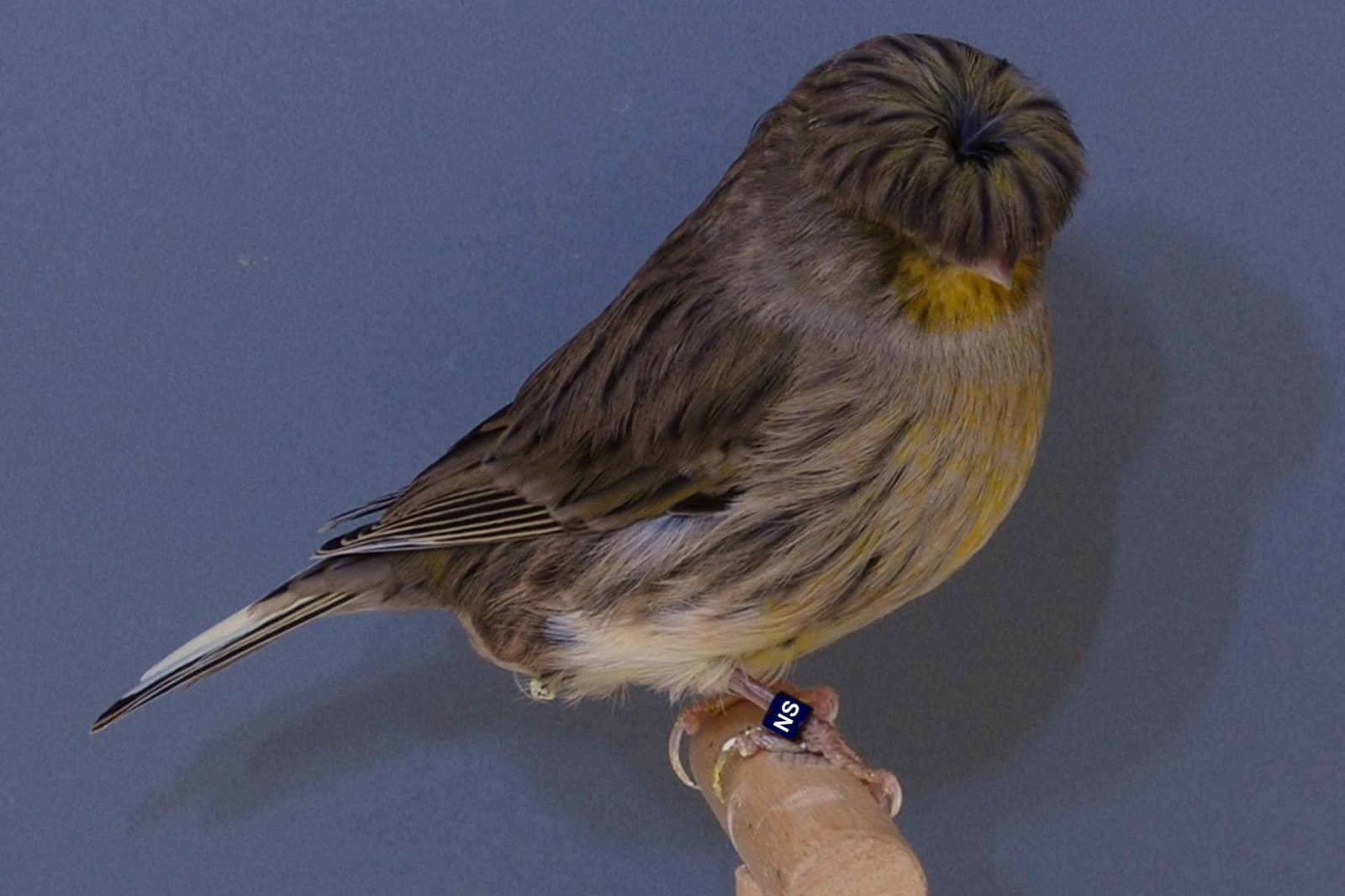
| Corona | Round, neat, evenly radiating crest, centered on the head |
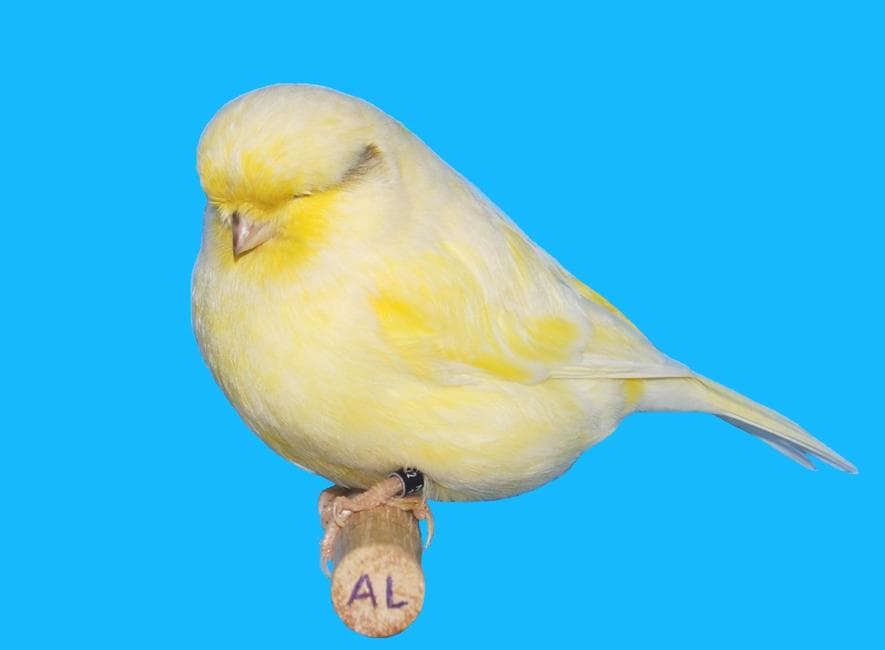
| Consort | Plain head, broad skull, a slight heavy brow ("eyebrow") over the eye |
| Feather | Close, tight and smooth |
Typical characteristics
- Small, rounded and "cobby" (compact) shape
- Steady, confident movement
- Exhibition birds are judged on head (crest or Consort head), body, size and feather quality
Colors
Glosters are bred in many colors, including clear yellow, buff, green, cinnamon, white and variegated (pied) birds, and some red-ground birds. The crest of a Corona is often darker than the body in variegated birds.
Song characteristics
Males sing a pleasant, general canary song. Song is not part of the show standard, so quality varies from bird to bird.
Temperament
Glosters are widely described as calm, steady and easy to keep. They usually settle well in a cage and are generally good-natured with other small birds in a roomy flight.
Care considerations
- Standard canary care: see the complete canary care guide.
- The crest of a Corona can occasionally obscure vision if very heavy; exhibition birds are bred for a neat, round crest.
- Small, calm birds can put on weight if they lack exercise.
Cage considerations
A long cage that encourages flight is important for keeping Glosters fit. See best cage size for a canary.
Food considerations
Standard canary diet: a good seed mix or pellets, fresh greens and egg food during breeding and molting. Be moderate with rich foods outside those times. See what do canaries eat.
Breeding considerations
- Pair Corona × Consort. Crest-to-crest pairings are widely reported to cause problems, because the crest gene appears to be harmful in a double dose.
- A Corona × Consort pairing typically produces a mix of crested and plain-headed chicks.
- Glosters are generally willing breeders and capable parents. See the complete canary breeding guide.
Beginner suitability
Very suitable. Glosters are hardy, calm, small and widely available. For exhibition, find a Gloster club or experienced exhibitor and learn the standard before buying.
Differences from similar varieties
| Compared with | Main difference |
|---|---|
| Border canary | Border is larger, with a smooth plain head and lively carriage; Gloster is smaller, rounder, with crested and plain forms |
| Fife Fancy | Both small; the Fife resembles a miniature Border and has no crested form |
| Lancashire and other crested breeds | Gloster is much smaller and more compact |
Related varieties
- Border canary
- Fife Fancy canary
- Compare them with the canary comparison tool
Image gallery
Frequently asked questions
What is the difference between a Corona and a Consort Gloster?
The Corona has a round, neat crest (the "corona") on its head. The Consort has a plain head with a broad skull and heavy brow. Both are Glosters and are normally paired together.
Why shouldn't two crested Glosters be paired?
Pairing crest to crest is widely reported to produce poor results, including chicks that do not survive, because the crest gene appears to be harmful in a double dose. Breeders pair Corona to Consort.
Do Gloster canaries sing?
Yes. Gloster males sing a pleasant, general canary song, although they are bred for shape rather than song.
Are Gloster canaries good for beginners?
Yes. They are small, generally calm and hardy, and widely available, which makes them a popular first canary.
Sources and further reading
- Domestic canary — Wikipedia
This guide shares general husbandry information and practical keeping experience. It is not veterinary advice. If your canary seems unwell, contact an avian veterinarian. Spotted an error? Report a correction.
Related guides
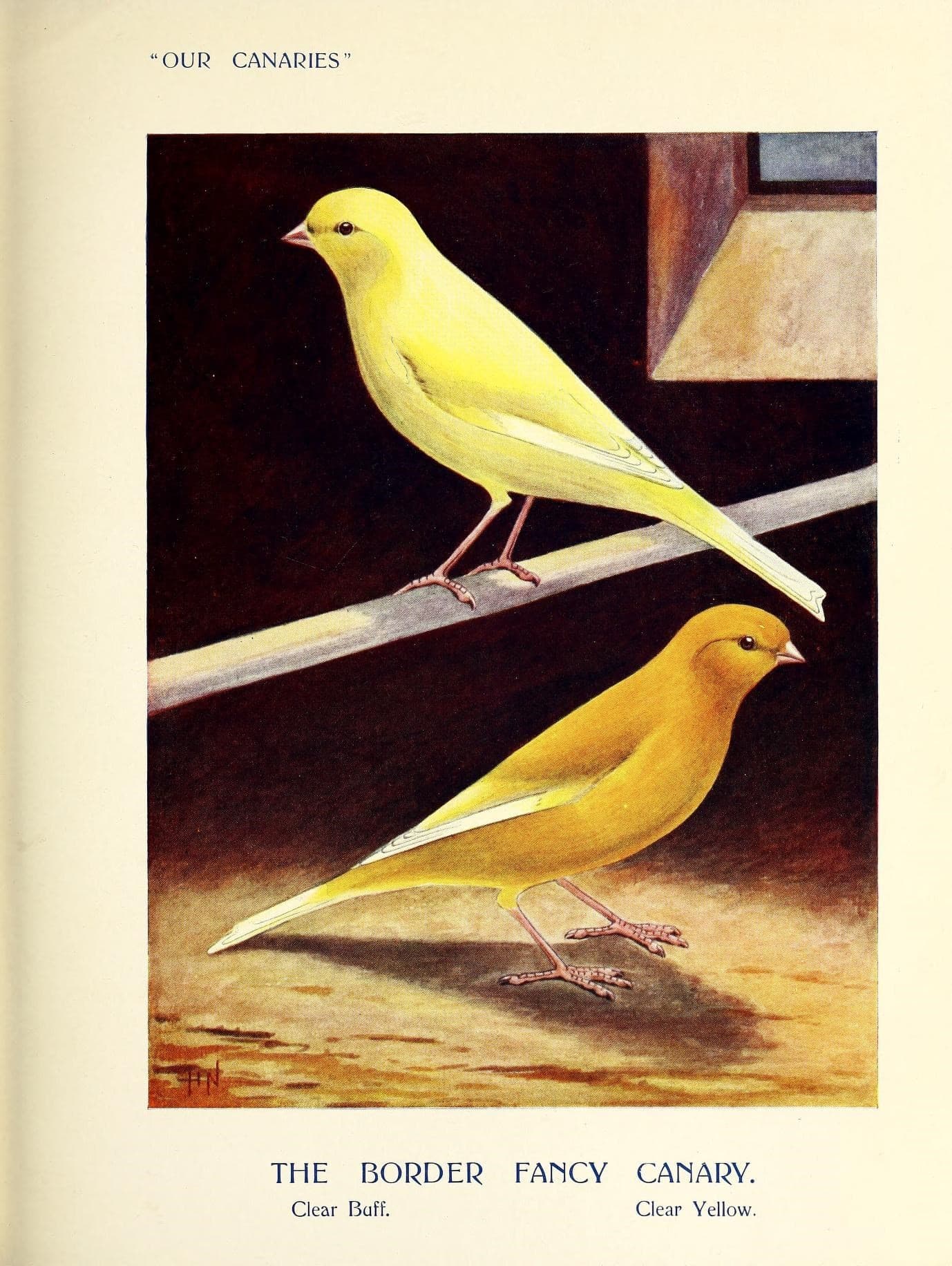
Border Canary
A guide to the Border canary (Border Fancy): Anglo-Scottish origin, appearance, colors, temperament, care, breeding and how it differs from the Fife and Gloster.
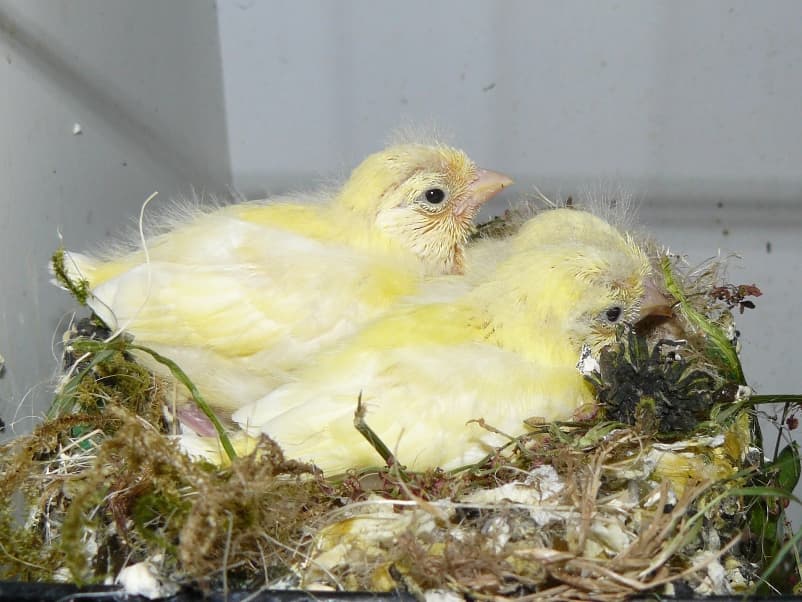
Fife Fancy Canary
A guide to the Fife Fancy canary — developed in Fife, Scotland as a smaller Border — covering appearance, colors, temperament, care, breeding and beginner suitability.
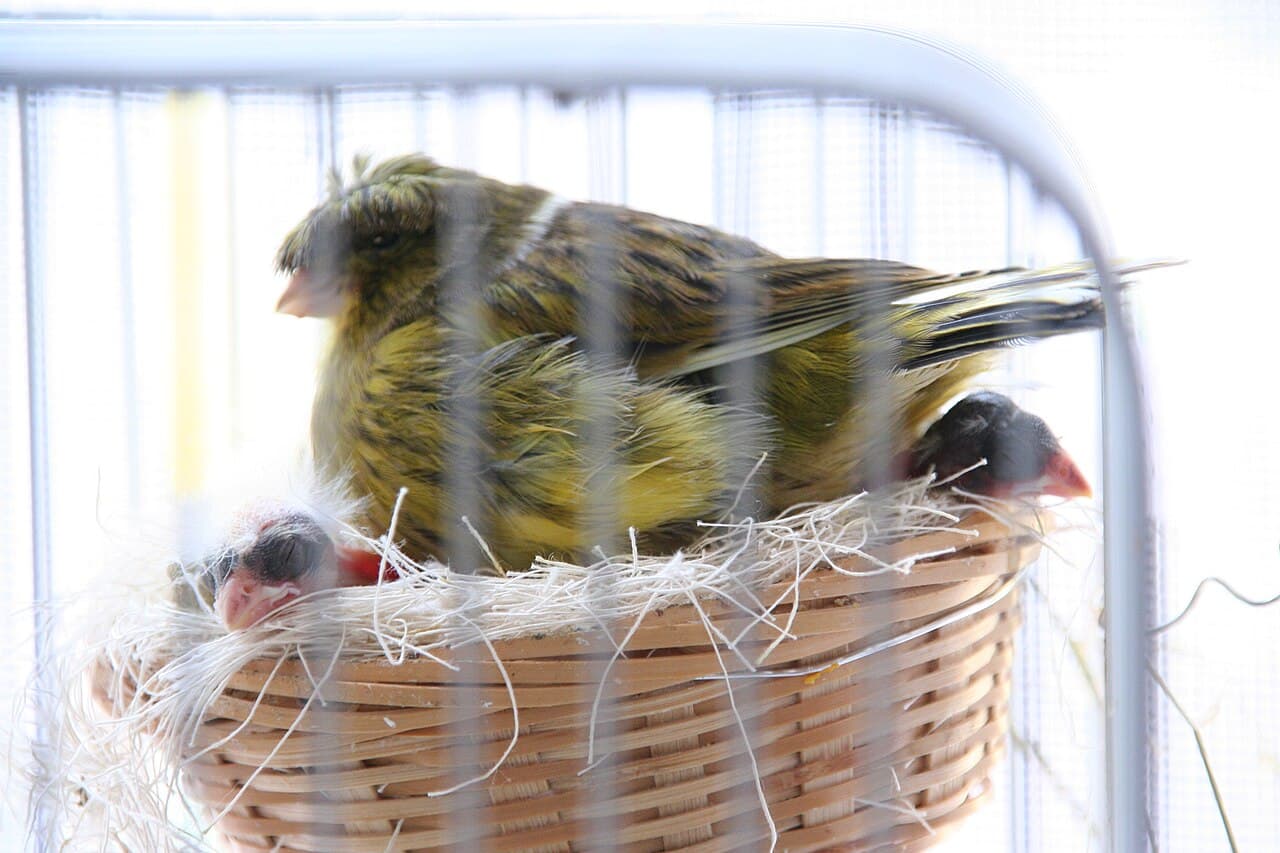
Complete Canary Breeding Guide
A step-by-step canary breeding guide: choosing and conditioning pairs, breeding cages, nests, eggs, incubation, chicks, weaning and how many rounds to allow.
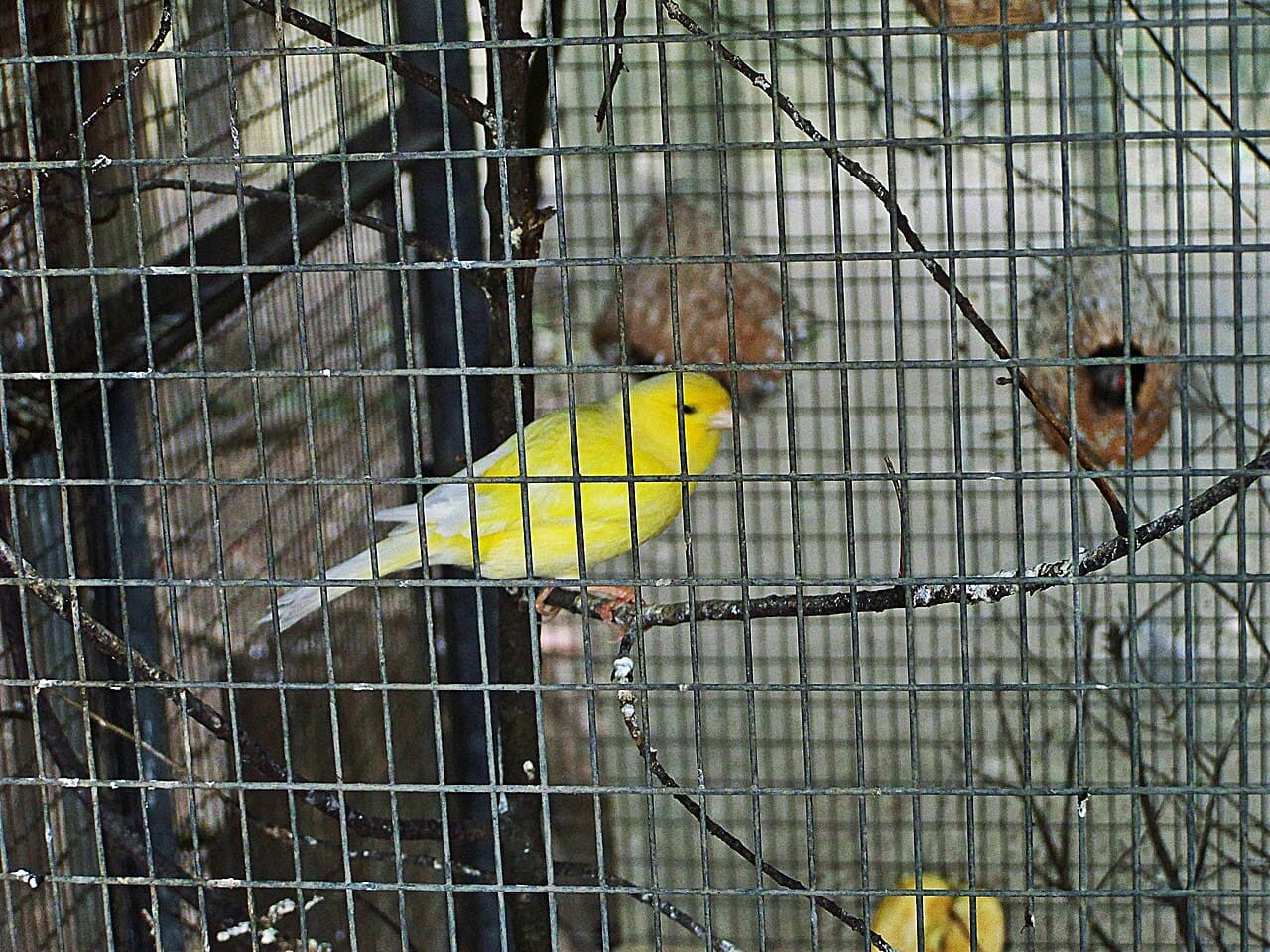
Complete Canary Care Guide
A complete beginner guide to domestic canary care: choosing a canary, cage setup, food, water, sleep, light, bathing, cleaning, molting, breeding and routine.