What Do Canaries Eat? A Complete Canary Diet Guide
What domestic canaries eat — seed mixes, pellets, vegetables, greens, fruit, egg food, calcium and water — with a sample daily feeding plan and seasonal changes.
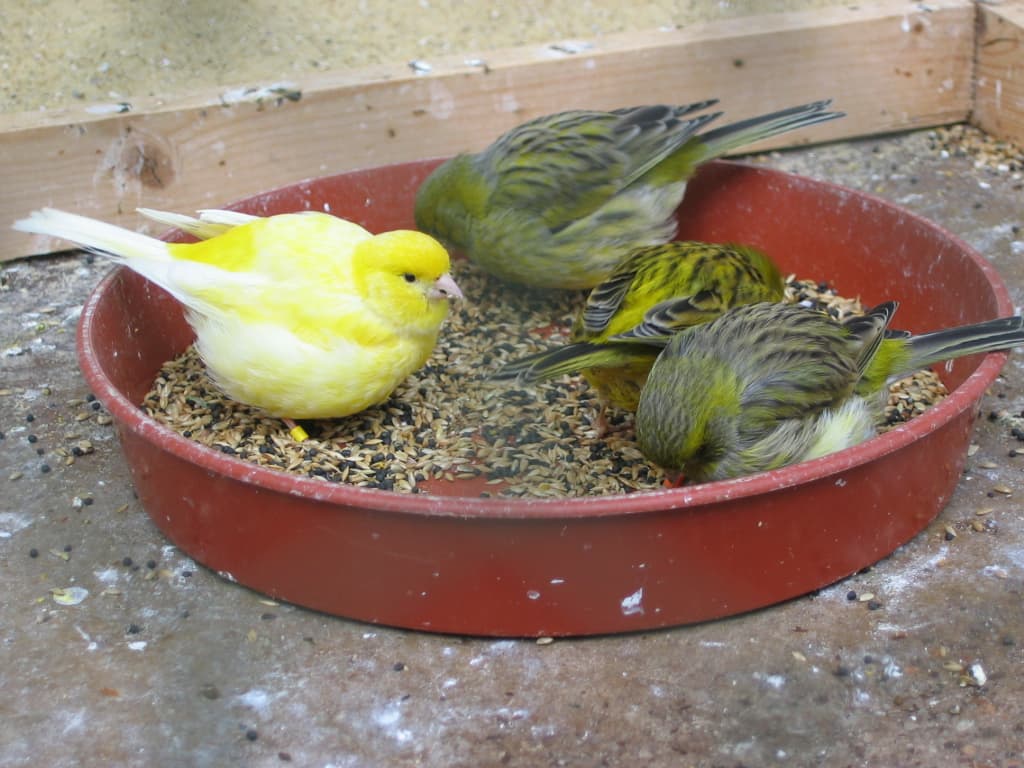
In this guide
Quick answer Domestic canaries eat a base of good-quality canary seed mix or canary pellets, plus fresh vegetables and leafy greens every day, small amounts of fruit as treats, egg food for extra protein during the molt and breeding, a calcium source such as cuttlebone, and fresh water changed daily.
Wild canaries eat seeds, buds, greens and small amounts of insects, depending on the season. Our domestic canaries do best on a diet built along the same lines: seed as the base, with plenty of fresh plant food and extra protein at demanding times of year.
The five parts of a canary diet
1. Base food: canary seed mix or pellets
A good canary seed mix typically contains mostly plain canary seed and rapeseed, with smaller amounts of other seeds such as niger, linseed, hemp and oats. Choose a fresh, clean mix from a reliable supplier and store it in a cool, dry, sealed container.
Canary pellets are formulated foods designed to provide more balanced nutrition than seed alone. Some keepers feed pellets as the main base; others offer them alongside seed. If you introduce pellets, mix them into the seed and change over gradually, confirming the bird is eating them.
Tip Smell the seed when you open a new bag. Fresh seed smells clean. Musty, dusty or webbed seed should not be used.
2. Fresh vegetables and leafy greens (daily)
Vegetables and greens add vitamins, variety and interest. Good everyday choices include:
- Leafy greens such as romaine lettuce, kale, chard, chickweed and dandelion leaves (from unsprayed areas)
- Broccoli florets
- Grated carrot
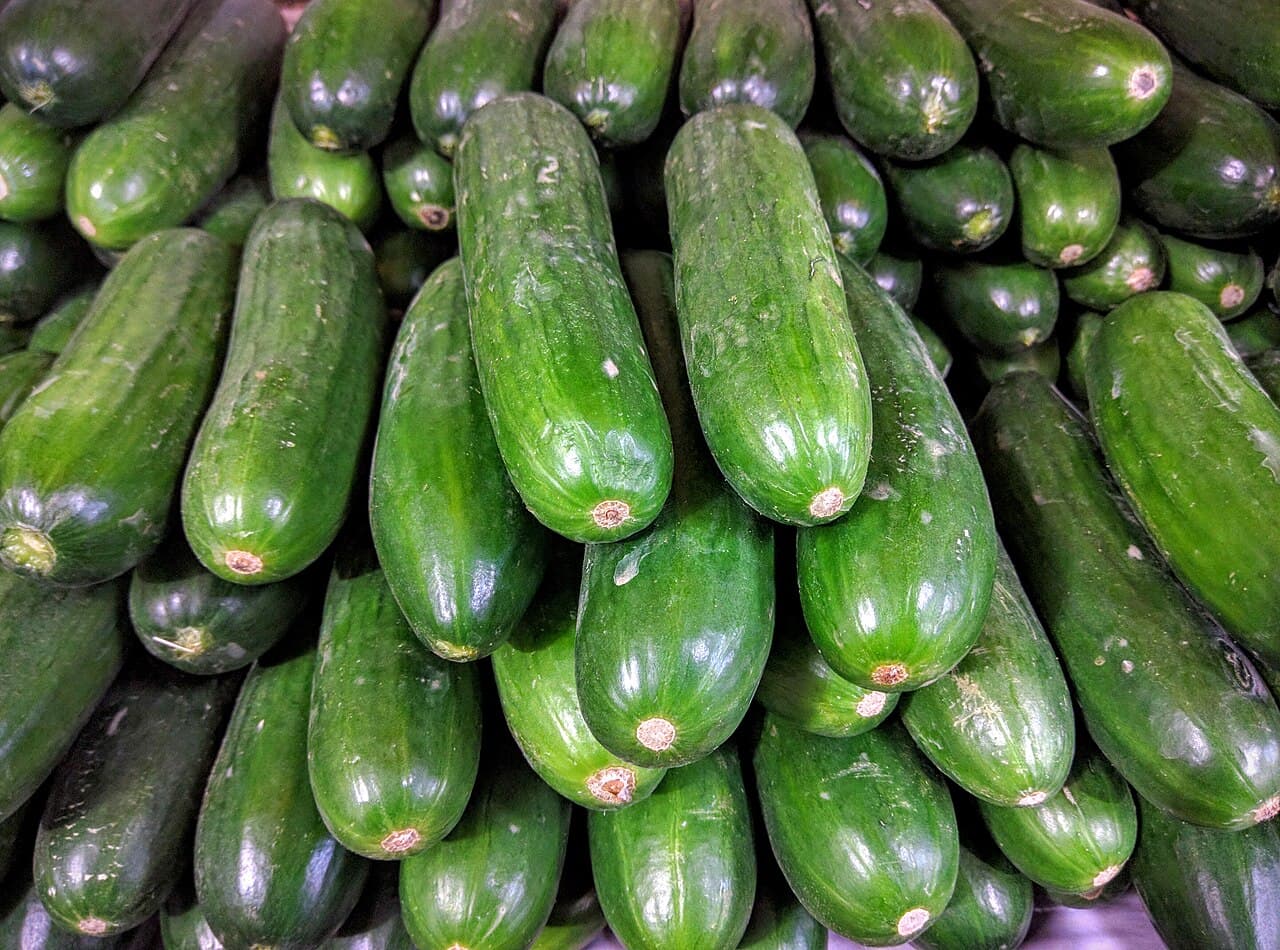
- Cucumber and courgette (zucchini)
- Sweet pepper
Wash everything well, offer small amounts and remove leftovers after a few hours. See foods canaries can eat for the full table.
3. Fruit (occasional)
Small pieces of apple (no seeds), pear, banana, berries and grapes make good treats a few times a week. Fruit is sugary, so it should be a smaller part of fresh food than vegetables.
4. Egg food (seasonal protein)
Egg food is a soft food made from egg and a cereal base, available commercially or made at home. It is a key food during:
- The molt, when birds grow a complete new set of feathers
- Breeding, for conditioning and for feeding chicks
- Weaning, for young birds learning to eat
Many keepers also offer a small amount once or twice a week through the rest of the year. Egg food spoils quickly, so remove it after a few hours.
5. Calcium and minerals
Keep a cuttlebone or mineral block in the cage at all times. Calcium is especially important for breeding hens, which need it to form eggshells. Many keepers also offer a small amount of fine mineral or oyster-shell grit; practice varies, so ask an avian vet if you are unsure.
Water
Fresh, clean water every day, in a washed container. Do not add vitamins or supplements to water unless a vet recommends it.
Sample daily feeding plan
| Time | What to do |
|---|---|
| Morning | Blow husks off seed and top up; fresh water; small portion of vegetables or greens |
| Midday | Check the bird is eating; remove wilting fresh food in warm weather |
| Afternoon | Remove remaining fresh food and any egg food |
| All day | Seed or pellets, cuttlebone and water available |
How the diet changes through the year
| Season or stage | Adjustment |
|---|---|
| Molt (late summer–autumn) | Egg food several times a week or daily, more greens. See feeding during molting |
| Breeding conditioning | Gradually increase egg food and greens a few weeks before pairing |
| Feeding chicks | Fresh egg food at least daily, often twice a day, plus soaked or sprouted seed |
| Young birds after weaning | Egg food, soft greens and seed, with careful monitoring of eating |
| Older birds | Same diet; watch weight and make sure they can reach food easily |
Foods to avoid
Never feed avocado, chocolate, caffeine, alcohol, salty or sugary snack food, onion, garlic, or apple seeds and fruit pits. See foods canaries should avoid.
Changing your canary's diet
Canaries can be cautious about new foods. Introduce one new item at a time, offer it repeatedly over days or weeks, and try different presentations — chopped, grated, clipped to the bars or as a whole leaf. Never withdraw the bird's familiar food while it is learning to accept something new.
If a canary stops eating or eats much less than usual, that is a reason to watch closely and contact an avian vet if it continues.
Frequently asked questions
Can canaries eat bird seed for other birds?
It is better to use a mix made for canaries. Budgie and finch mixes have different seed proportions and sizes. Canary mixes are based mainly on canary seed and rapeseed, which suit a canary's beak and needs.
Should canaries eat pellets or seed?
Either can work as the base of a good diet. Pellets are designed to be more nutritionally complete; seed is the traditional canary food and many canaries prefer it. Many keepers use a quality seed mix alongside fresh foods. If you switch to pellets, do it gradually and make sure the bird is actually eating them.
How much food does a canary eat per day?
A canary eats only a few grams of seed a day, but it eats little and often, so food should be available at all times. Watching that the bird is actually eating — not just how full the dish looks — matters more than measuring.
Sources and further reading
- Feeding Canaries — VCA Animal Hospitals
This guide shares general husbandry information and practical keeping experience. It is not veterinary advice. If your canary seems unwell, contact an avian veterinarian. Spotted an error? Report a correction.
Related guides
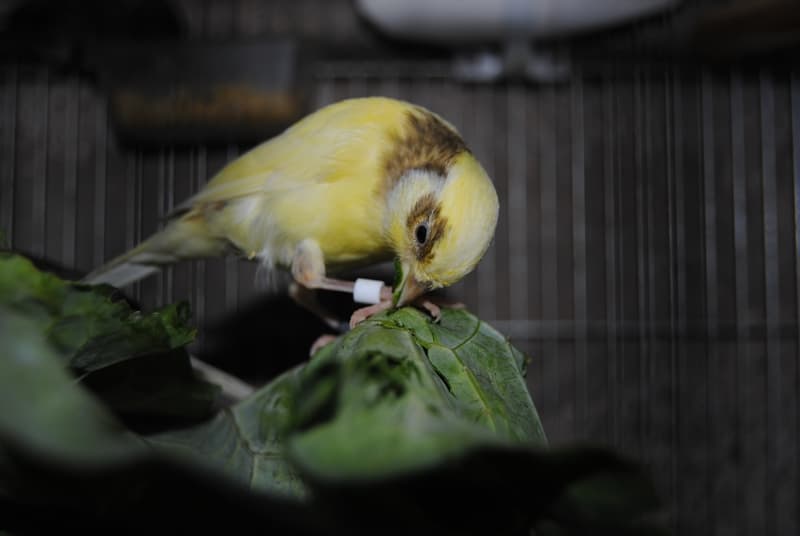
Foods Canaries Can Eat
A table of safe foods for canaries — vegetables, greens and fruit, including bananas, lettuce, carrots and broccoli — with how often to offer each.
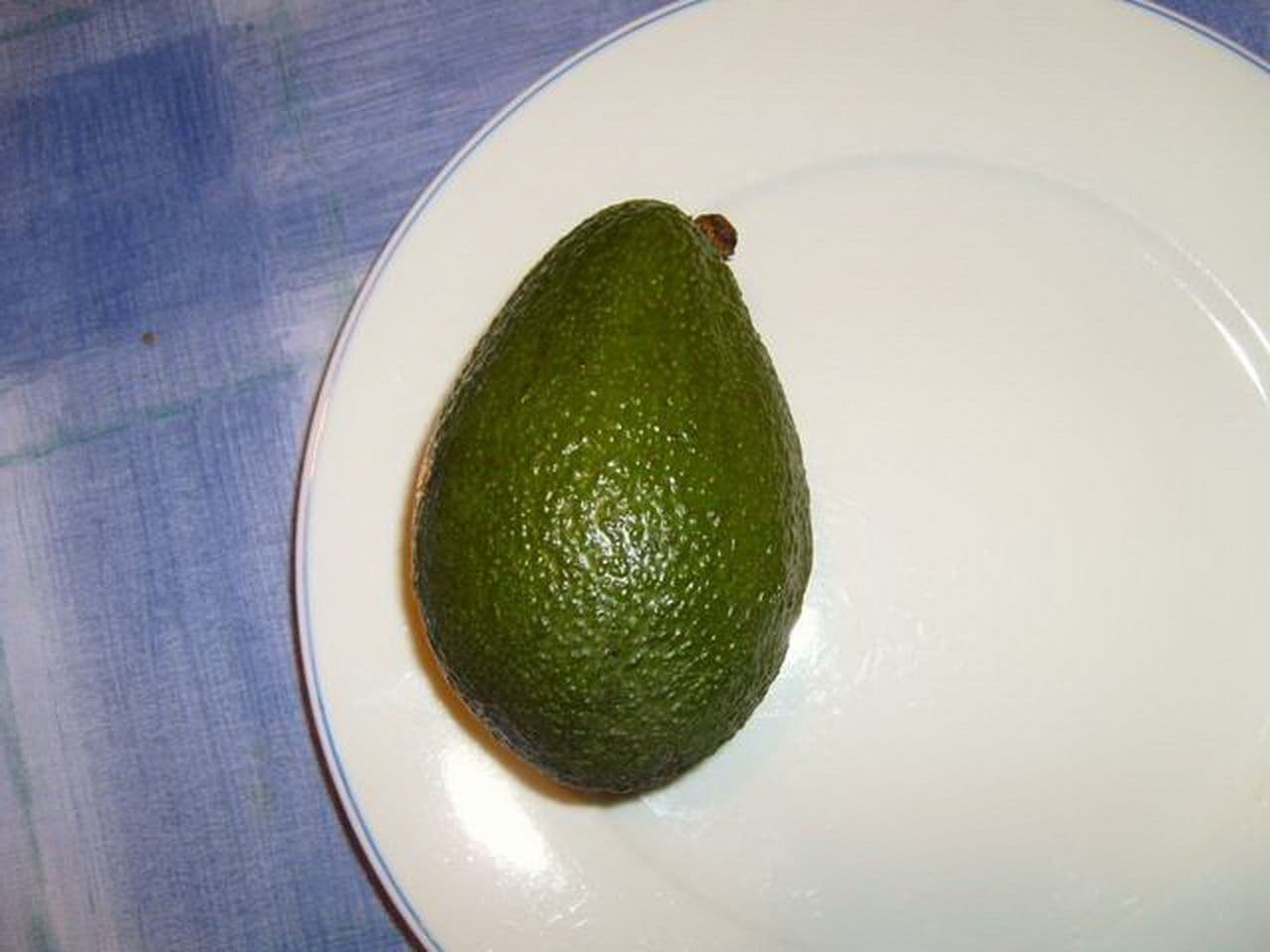
Foods Canaries Should Avoid
Foods canaries should never eat — avocado, chocolate, caffeine, alcohol, salty foods, onion, garlic, fruit seeds — and what to do if your canary eats one.
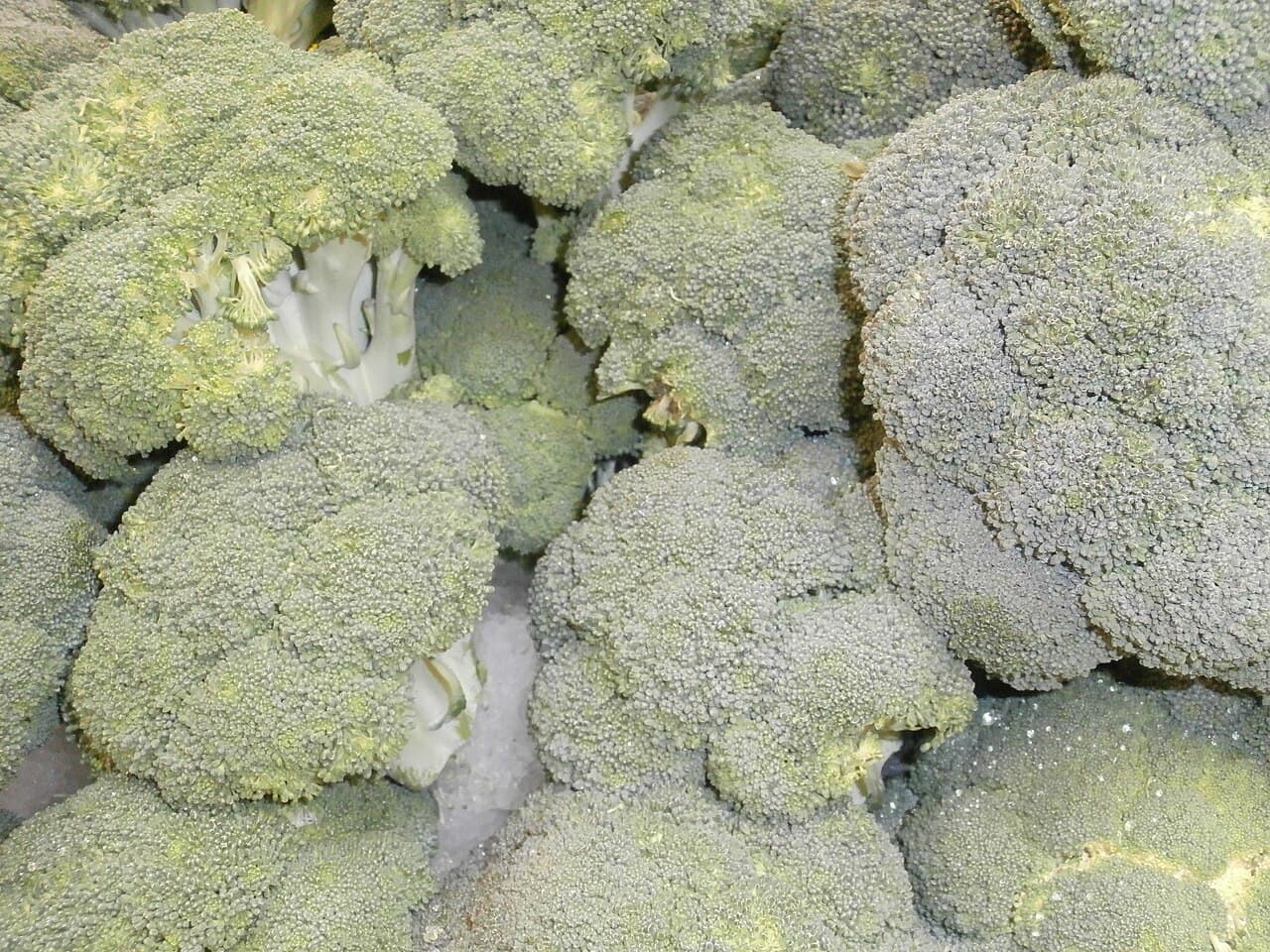
Feeding a Canary During Molting
How to feed a molting canary — more protein with egg food, extra greens, seed and pellets, calcium, and what to know about color feeding for red factor canaries.
Can Canaries Eat Cucumber?
Yes, canaries can eat cucumber. It is safe and hydrating but low in nutrients. How to prepare cucumber, how much to give and which greens to pair it with.