Foods Canaries Should Avoid — Unsafe and Toxic Foods List
Foods canaries should never eat — avocado, chocolate, caffeine, alcohol, salty foods, onion, garlic, fruit seeds — and what to do if your canary eats one.
In this guide
Quick answer Never give a canary avocado, chocolate, caffeine (coffee, tea, energy drinks), alcohol, salty snack foods, sugary or fatty processed foods, onion, garlic, apple seeds or fruit pits, rhubarb, raw dried beans, or moldy or spoiled food. If your canary eats something toxic, contact an avian vet or animal poison control service immediately.
Canaries are tiny. A bite of something that would be harmless to a person can be a large dose for a bird weighing a few dozen grams. Below are the foods most widely regarded as unsafe for pet birds.
Foods canaries should never eat
| Food | Why to avoid it |
|---|---|
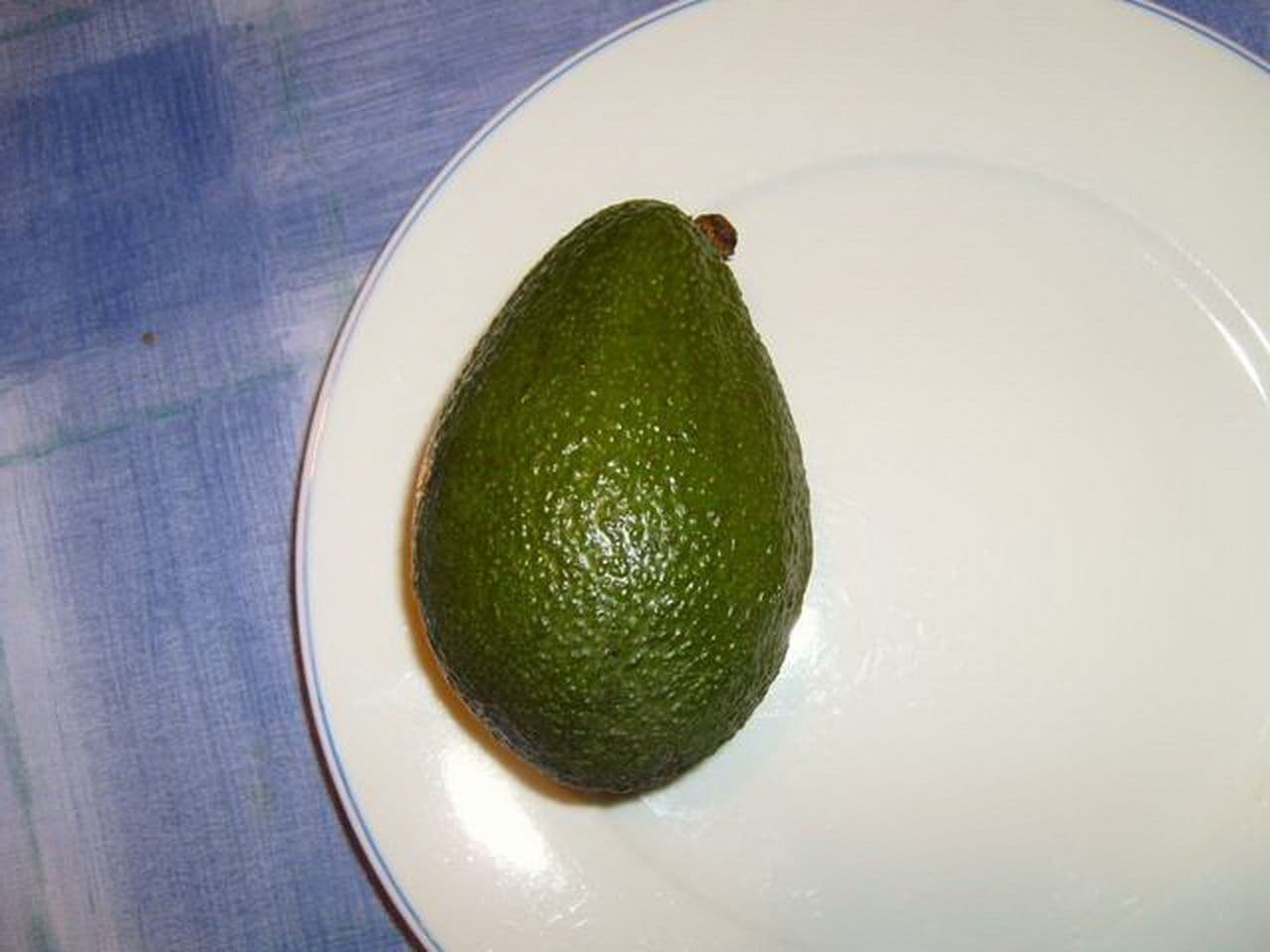
| Avocado | Widely reported to be toxic to birds; avoid all parts of the plant and fruit |
| Chocolate | Contains theobromine and caffeine, which are toxic to birds |
| Caffeine (coffee, tea, cola, energy drinks) | Stimulant; can affect the heart and nervous system |
| Alcohol | Toxic even in small amounts |
| Salty foods (crisps, crackers, salted nuts) | Small birds are very sensitive to salt |
| Onion and garlic | Contain compounds that can damage red blood cells |
| Apple seeds, cherry and plum pits, peach and apricot stones | Contain compounds that can release cyanide |
| Rhubarb (especially leaves) | High in oxalates |
| Raw dried beans | Contain lectins that cooking destroys |
| Mouldy or spoiled food | Moulds can produce toxins dangerous to birds |
| Sugary, fatty or processed human food | Unbalanced and unhealthy for small birds |
| Xylitol and artificial sweeteners | Avoid — safety for birds is not established |
Foods to limit
| Food | Why limit it |
|---|---|
| Spinach | Oxalates can bind calcium; rotate with other greens |
| Iceberg lettuce | Not harmful, but mostly water with little nutrition |
| Fruit in general | Sugary; keep to small treat portions |
| Bread and crackers | Little nutritional value; often salted |
Hidden dangers around food
- Pesticide residue: Wash all fresh food carefully, and only collect wild greens from unsprayed areas away from roads.
- Spoiled fresh food: Wilted greens and egg food left too long in a warm cage grow bacteria and mold. Remove them after a few hours.
- Damp or old seed: Store seed in a cool, dry, sealed container and do not use seed that smells musty.
- Kitchen fumes: The kitchen itself is a danger — overheated non-stick cookware releases fumes that can kill birds. See household dangers for canaries.
What to do if your canary eats something unsafe
When to get help Contact an avian veterinarian straight away, or an animal poison control service. Have the name of the food or product and an estimate of how much was eaten. Do not try to make the bird vomit or give home remedies.
Signs that can follow eating something toxic include fluffing up, weakness, vomiting or regurgitation, changes in droppings, breathing difficulty or seizures — but do not wait for signs if you know the bird has eaten something dangerous.
Safe alternatives
There are plenty of safe treats canaries enjoy: broccoli, grated carrot, romaine lettuce, apple without seeds, berries and egg food. See foods canaries can eat and what do canaries eat.
Sources and further reading
- Animal Poison Control — ASPCA
This guide shares general husbandry information and practical keeping experience. It is not veterinary advice. If your canary seems unwell, contact an avian veterinarian. Spotted an error? Report a correction.
Related guides
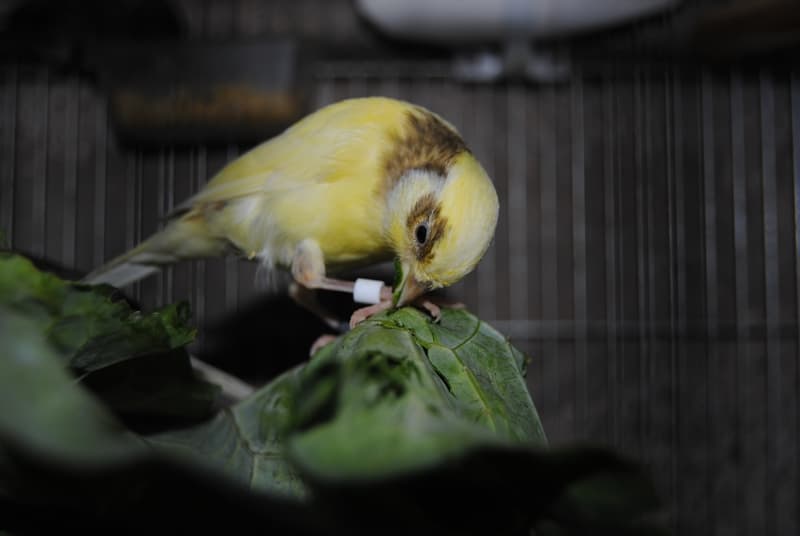
Foods Canaries Can Eat
A table of safe foods for canaries — vegetables, greens and fruit, including bananas, lettuce, carrots and broccoli — with how often to offer each.
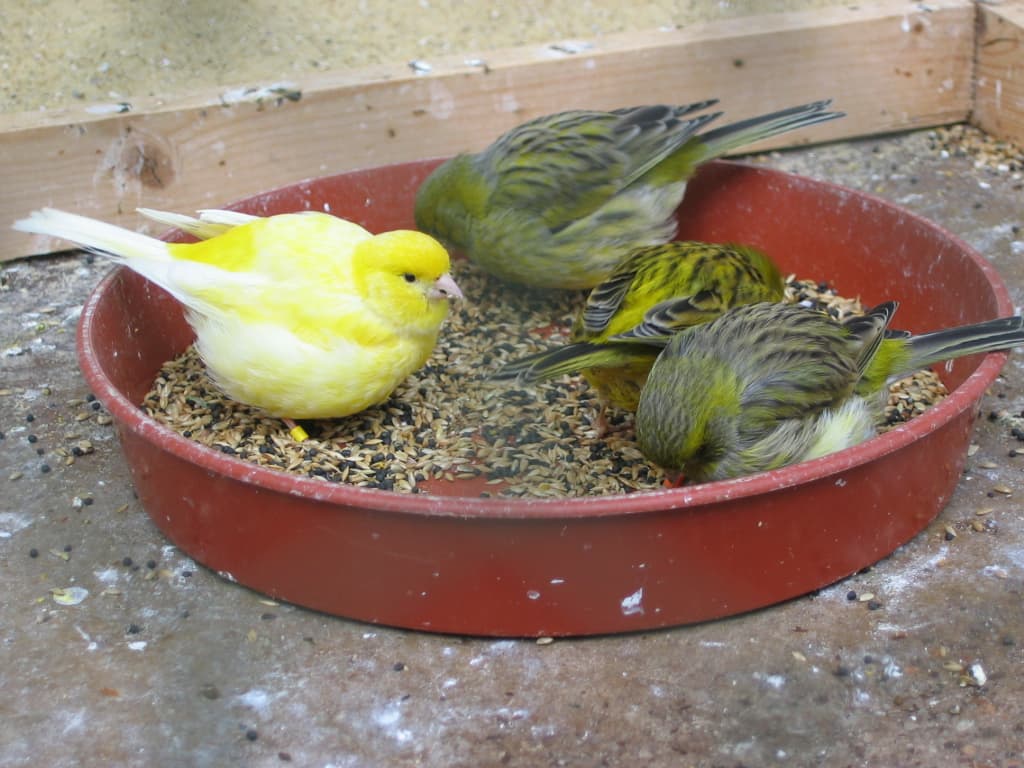
What Do Canaries Eat?
What domestic canaries eat — seed mixes, pellets, vegetables, greens, fruit, egg food, calcium and water — with a sample daily feeding plan and seasonal changes.

Household Dangers for Canaries
Household dangers for pet canaries — non-stick cookware fumes, smoke, aerosols, cleaning products, candles, open water and pets — and how to prevent them.
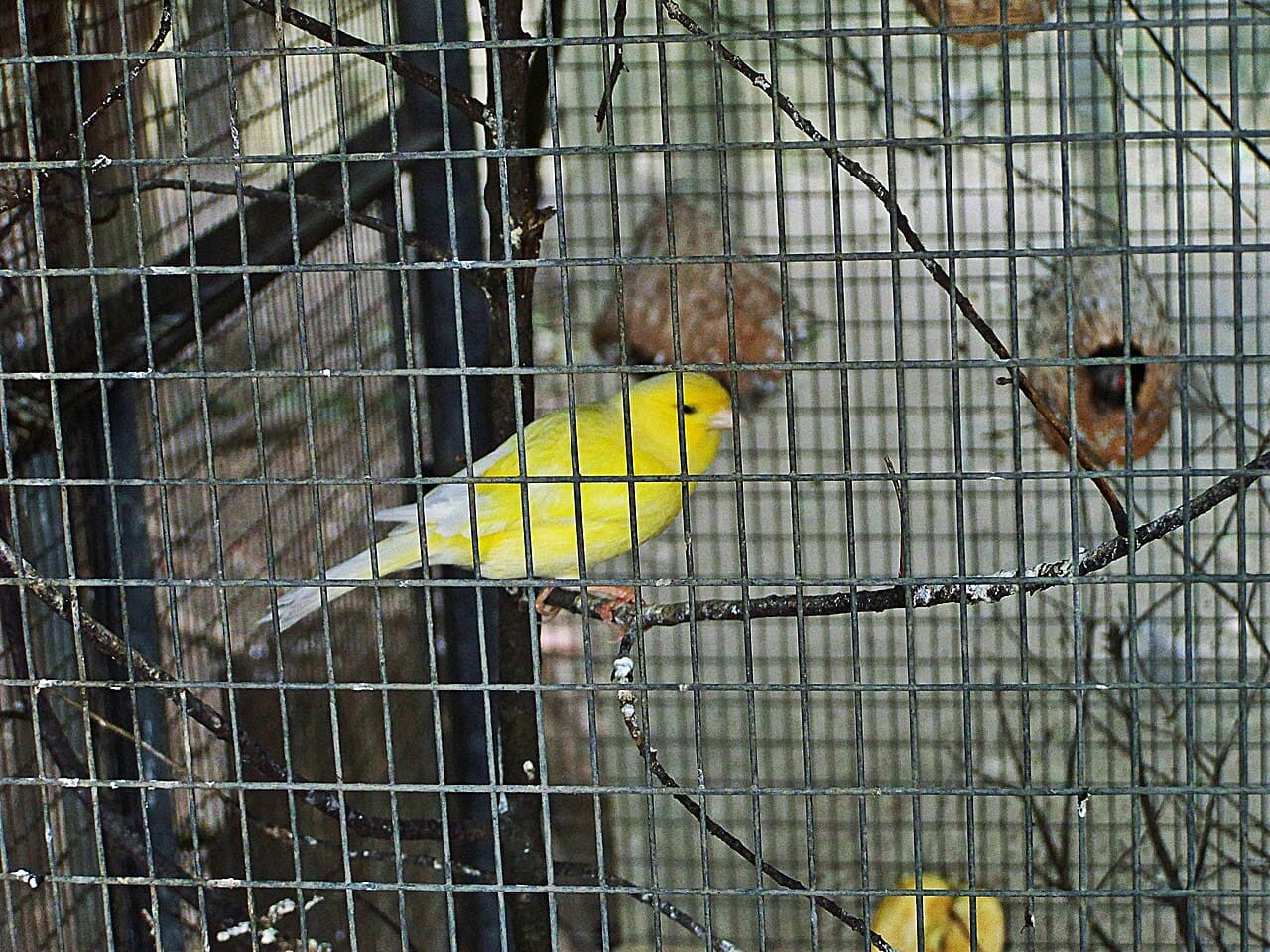
Complete Canary Care Guide
A complete beginner guide to domestic canary care: choosing a canary, cage setup, food, water, sleep, light, bathing, cleaning, molting, breeding and routine.