Household Dangers for Canaries — Fumes, Smoke, Aerosols and More
Household dangers for pet canaries — non-stick cookware fumes, smoke, aerosols, cleaning products, candles, open water and pets — and how to prevent them.
In this guide
Quick answer The biggest household dangers for canaries are airborne: fumes from overheated non-stick (PTFE) cookware, smoke, aerosol sprays, strong cleaning products, scented candles and air fresheners. Other common dangers are drafts and heat, open water, other pets, open windows and doors, and toxic foods. Keep canaries away from the kitchen and keep the air around them clean.
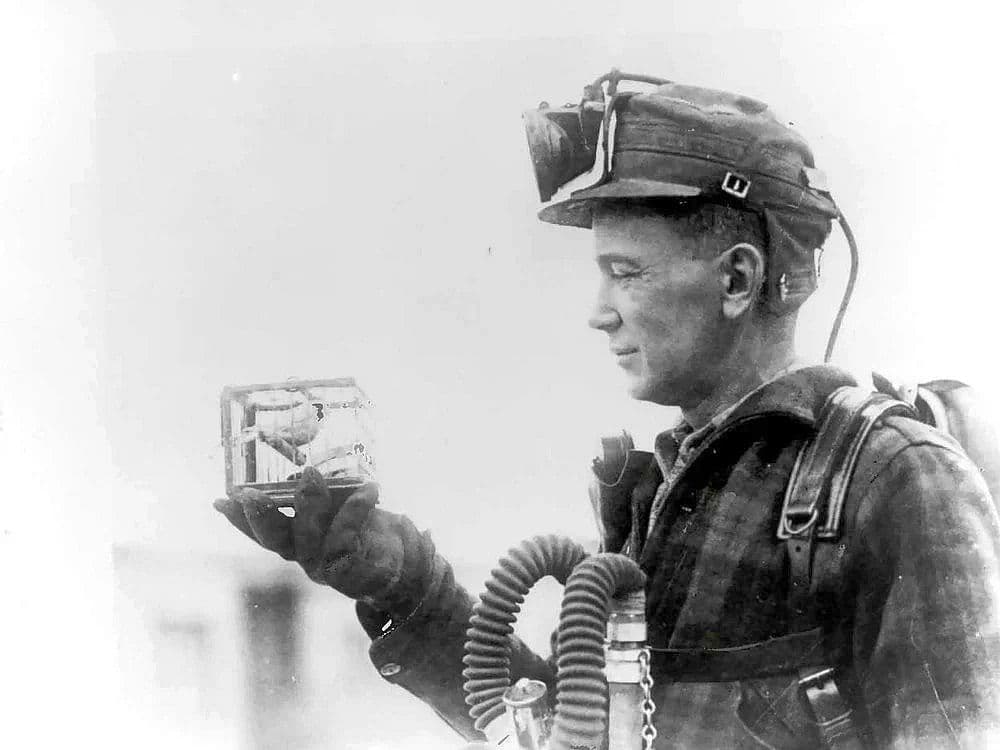
Canaries famously went into coal mines because they react to dangerous gases before people do. That same sensitivity makes ordinary household products a real risk for pet canaries.
Airborne dangers
| Danger | Why it matters | Prevention |
|---|---|---|
| Overheated non-stick cookware (PTFE/"Teflon") | When overheated, PTFE coatings can release fumes that are highly toxic to birds and can kill them quickly | Keep birds well away from the kitchen; never leave non-stick pans heating empty; consider bird-safe cookware |
| Self-cleaning oven cycles | Very high temperatures; some ovens have PTFE parts | Move birds far away and ventilate well, or avoid the function |
| Cigarette and other smoke | Irritates the respiratory system | No smoking indoors near birds |
| Aerosol sprays (deodorant, hairspray, polish, insecticide) | Fine particles and chemicals in the air | Never spray in the bird's room |
| Strong cleaning products, bleach, ammonia | Fumes; mixing products creates toxic gases | Clean with the bird out of the room; ventilate; rinse well |
| Scented candles, incense, plug-in air fresheners | Continuous fumes and particles | Avoid in the bird's room and nearby |
| Fresh paint and varnish | Solvent fumes | Move birds away until fully cured and aired |
| Gas leaks, faulty heaters | Carbon monoxide and other gases | Maintain appliances; fit detectors |
When to get help If a canary shows sudden breathing difficulty, tail bobbing, open-beak breathing at rest, weakness or falls from its perch after exposure to fumes, move it to fresh air immediately and contact an avian vet as an emergency.
Environmental dangers
- Heat: Direct sun through glass, heaters and stuffy rooms. See where to put a canary cage.
- Drafts and cold: Open windows, doors and air conditioning.
- Sudden temperature changes: Moving a cage between very different rooms.
Dangers outside the cage
If a canary is ever out of its cage (by accident or during free flight):
- Windows and mirrors — birds can fly into glass.
- Open doors and windows — escape.
- Ceiling fans — serious injury.
- Open water — sinks, toilets, glasses, vases and pans.
- Hot surfaces — cookers, kettles, lamps.
- Other pets — cats especially.
Other pets
Cats, dogs, ferrets and even other birds can injure or frighten a canary. A cat sitting on or staring at the cage can cause severe stress and night frights. Keep pets out of the bird's room when unsupervised and make sure the cage is stable and secure.
Toxic foods and plants
Some foods are dangerous to canaries, including avocado, chocolate, caffeine, alcohol, salty foods, onion and garlic. See foods canaries should avoid. Houseplants can also be toxic if a bird nibbles them — keep the cage away from plants unless you know they are safe.
Safe-home checklist
- Cage well away from the kitchen
- No non-stick pans left heating empty
- No smoking, aerosols, candles or plug-in fresheners near the bird
- Cleaning done with the bird out of the room and the area ventilated
- Cage out of drafts and direct sun
- Pets kept away from the cage
- Windows, doors and fans checked before any bird is out of its cage
See also: how to clean a canary cage safely.
Frequently asked questions
Are scented candles safe around canaries?
It is safest to avoid them in the same room or nearby. Burning candles, incense, oil burners and plug-in fresheners all release particles and fumes into the air, and birds are far more sensitive to airborne substances than people.
Why are birds so sensitive to fumes?
Birds have a highly efficient respiratory system with air sacs that move air through the lungs continuously. That makes them very effective at absorbing airborne substances — including harmful ones. It is the reason canaries were once used in coal mines to warn of dangerous gases.
Sources and further reading
- Polytetrafluoroethylene (PTFE) — Wikipedia
- Animal Poison Control — ASPCA
This guide shares general husbandry information and practical keeping experience. It is not veterinary advice. If your canary seems unwell, contact an avian veterinarian. Spotted an error? Report a correction.
Related guides
Where to Put a Canary Cage
Where to put a canary cage at home — the best rooms, height and wall position, plus places to avoid such as kitchens, drafty windows, heaters and busy hallways.
Foods Canaries Should Avoid
Foods canaries should never eat — avocado, chocolate, caffeine, alcohol, salty foods, onion, garlic, fruit seeds — and what to do if your canary eats one.
How Often Should You Clean a Canary Cage?
How often to clean a canary cage — daily, every few days, weekly and monthly tasks — plus a step-by-step full clean and which cleaning products are safe around birds.
Best Cage Setup for a Canary
How to set up a canary cage properly — cage shape, perch types and placement, food and water dishes, bath, cuttlebone, floor covering and what to leave out.