Where Should You Put a Canary Cage? Best and Worst Places
Where to put a canary cage at home — the best rooms, height and wall position, plus places to avoid such as kitchens, drafty windows, heaters and busy hallways.
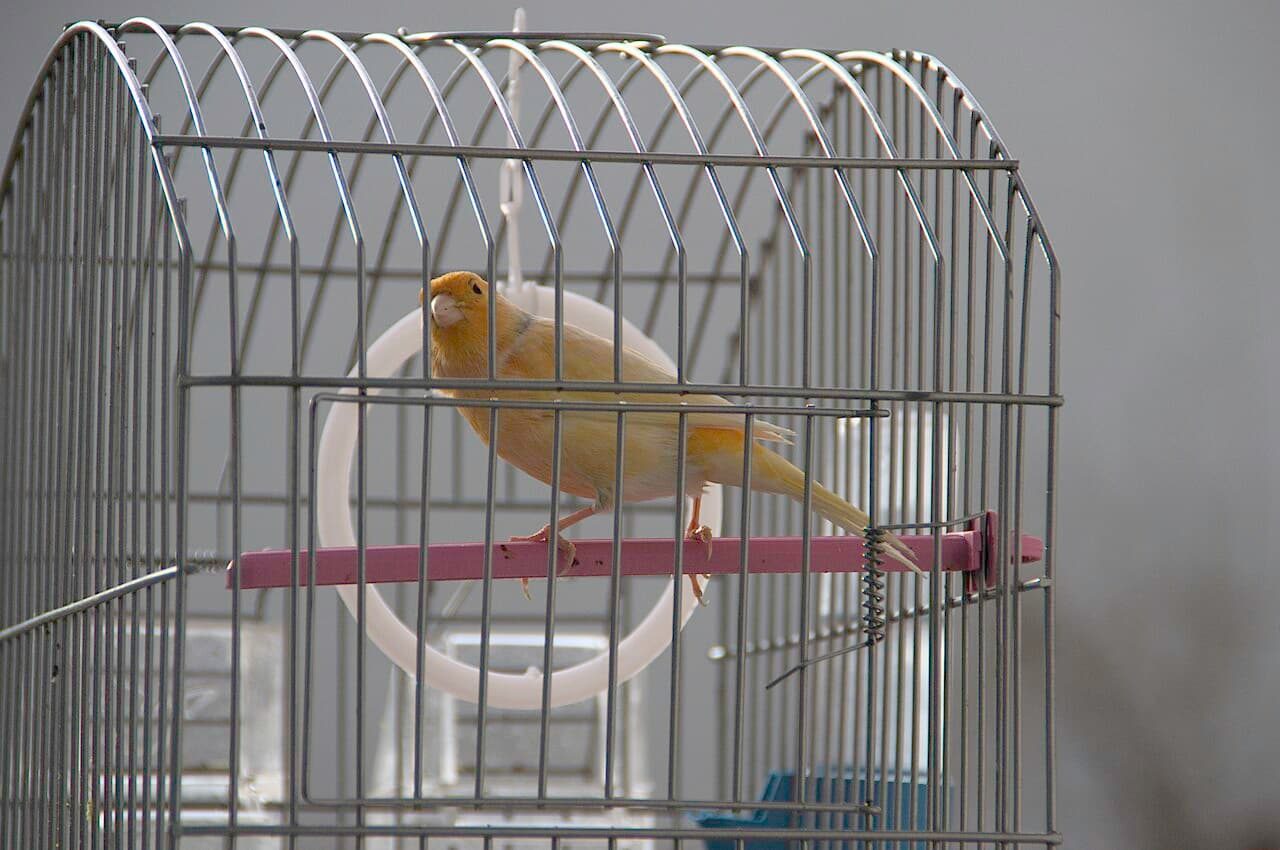
In this guide
Quick answer Put a canary cage in a bright, calm room where people spend time, at roughly head height, with at least one side against a wall. Keep it out of the kitchen, out of direct midday sun, away from drafts, heaters and air conditioning, and away from busy doorways and pets.
Where the cage sits affects a canary's temperature, light, sleep, stress level and safety. A good spot does a lot of the work of keeping a bird healthy.
The best place for a canary cage
- A bright room with natural daylight, but where the cage is not in direct sun all day.
- A calm room that people use, but not the busiest thoroughfare in the house.
- Head height or slightly below, so the bird is not constantly looked down on.
- Against a wall, or with one side covered, so the bird has a secure "back".
- Stable temperature, without drafts or sudden changes.
Places to avoid
| Location | Why to avoid it |
|---|---|
| Kitchen | Cooking fumes, smoke, steam; overheated non-stick cookware can release fumes that kill birds |
| In front of a sunny window | Overheating, sometimes within minutes |
| Next to a drafty door or window | Chills and sudden temperature changes |
| Beside a radiator, heater or fireplace | Heat, dry air, fumes |
| Under or near air conditioning | Cold drafts |
| Busy hallway or entrance | Constant disturbance |
| On the floor | Feels exposed; drafts; pets and feet |
| Next to the television or speakers | Noise and late-night light |
| Bathrooms and garages | Fumes, humidity and temperature swings |
Temperature and comfort
Ordinary indoor temperatures — roughly 18–24°C (65–75°F) — suit most canaries. What matters most is that the temperature is stable and the cage is out of drafts. Canaries tolerate slightly cool, draft-free rooms better than hot, stuffy ones.
Light and night
Choose a spot where the bird gets daylight in the day and 10–12 hours of quiet darkness at night. A living room used until late may need a cage cover in the evening. See how much sleep does a canary need and do canaries need sunlight.
Pets and safety
Cats and dogs can frighten a canary badly even if they cannot reach it — a cat staring at the cage or jumping onto it is a common cause of night frights and stress. Place the cage where pets cannot climb onto or sit beside it, and keep pets out of the bird's room when you are not there.
Quick checklist
- Bright, but with shade
- Away from kitchen fumes
- No drafts, heaters or air conditioning nearby
- One side against a wall
- Around head height
- Out of reach of pets
- Dark and quiet at night
See also household dangers for canaries and the best cage setup.
Frequently asked questions
Can I keep a canary in my bedroom?
You can, if the room stays calm and the bird gets a dark, quiet night. Bear in mind that canaries wake early and males may start singing at first light.
Is it OK to move a canary's cage to another room?
Occasional moves are fine, but frequent moves can unsettle a canary. Choose a good permanent spot and keep the cage there.
This guide shares general husbandry information and practical keeping experience. It is not veterinary advice. If your canary seems unwell, contact an avian veterinarian. Spotted an error? Report a correction.
Related guides

Household Dangers for Canaries
Household dangers for pet canaries — non-stick cookware fumes, smoke, aerosols, cleaning products, candles, open water and pets — and how to prevent them.
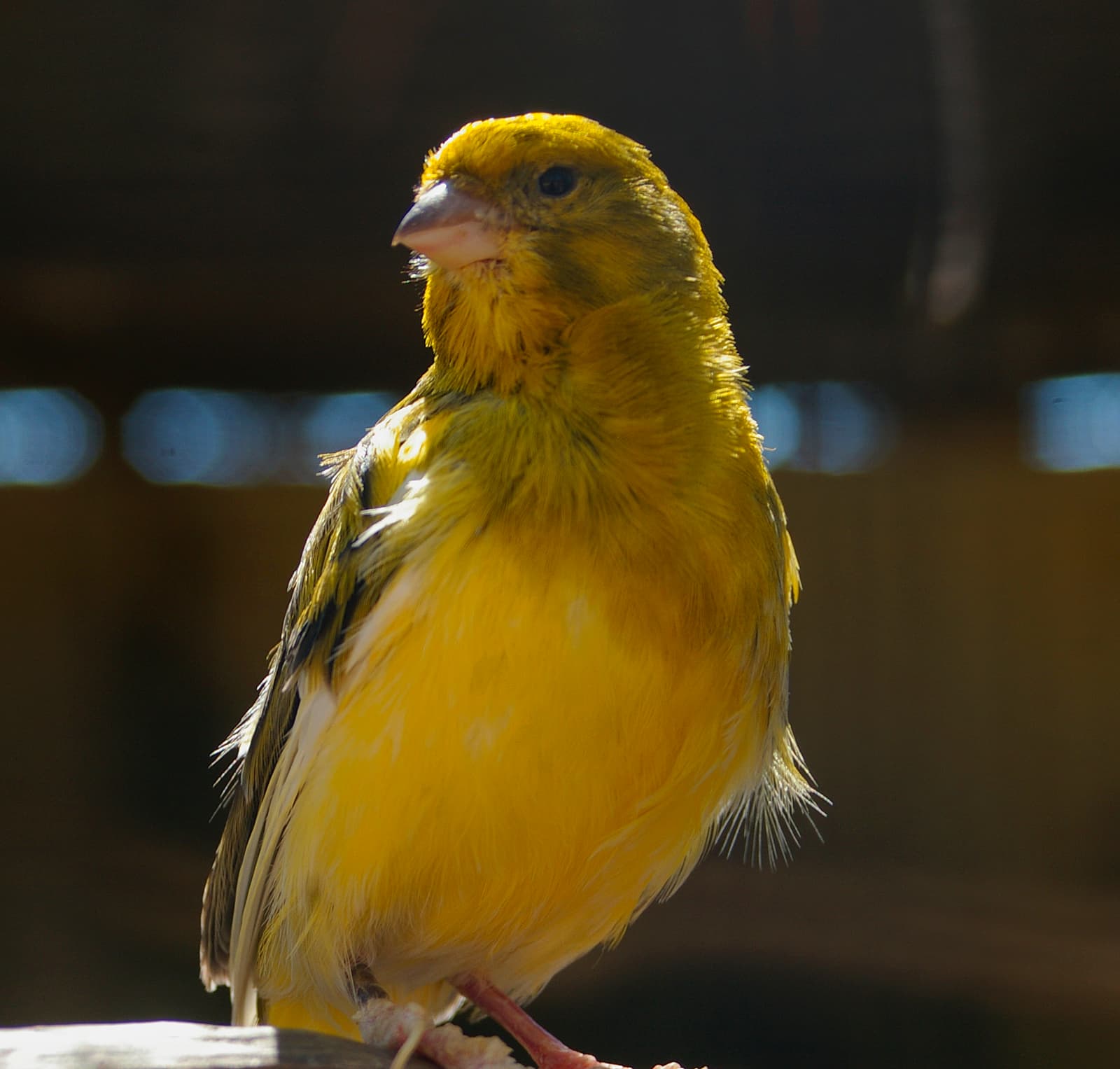
Do Canaries Need Sunlight?
Canaries benefit from natural daylight and a natural day length, but direct sun can overheat them quickly. How to give a canary light safely, indoors and outdoors.

Best Cage Setup for a Canary
How to set up a canary cage properly — cage shape, perch types and placement, food and water dishes, bath, cuttlebone, floor covering and what to leave out.
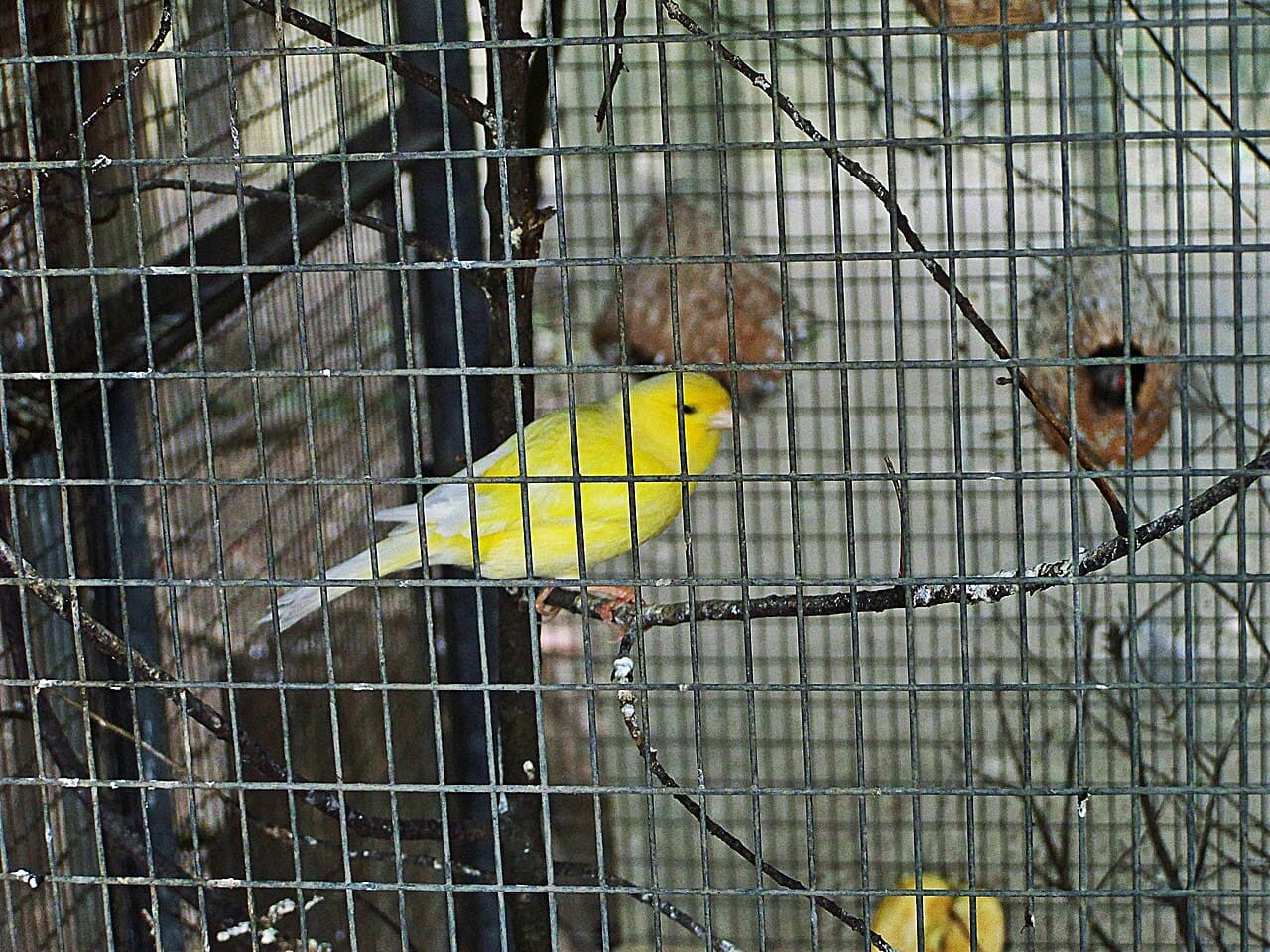
Complete Canary Care Guide
A complete beginner guide to domestic canary care: choosing a canary, cage setup, food, water, sleep, light, bathing, cleaning, molting, breeding and routine.