Do Canaries Need Sunlight? Natural Light, Shade and Safety
Canaries benefit from natural daylight and a natural day length, but direct sun can overheat them quickly. How to give a canary light safely, indoors and outdoors.
In this guide
Quick answer Canaries benefit from natural daylight and a natural day-night rhythm, but they do not need to sit in direct sun. Place the cage in a bright room with shade always available, never in hot direct sun behind glass, and give 10–12 hours of darkness at night.
Light shapes almost everything about a canary's year — singing, breeding condition and molting all follow the changing length of the day. Getting light right is less about sunbathing and more about giving a natural rhythm in a safe spot.
Why light matters
- Day length acts as a seasonal signal. Lengthening spring days trigger singing and breeding condition; shortening days after summer help bring on the molt.
- Daylight supports normal activity. Canaries are active, feeding and singing in daylight hours.
- Sunlight and vitamin D. In birds, UV light plays a role in vitamin D production. Window glass filters out much UVB, so a canary behind a window does not get the same exposure as outdoors. This is one reason a balanced diet matters.
The danger of direct sun
Small birds overheat quickly. A cage in direct sun behind a window can become dangerously hot within minutes, especially in summer.
Signs a canary is too hot include:
- Panting with the beak open
- Holding wings away from the body
- Feathers pressed flat against the body
- Restlessness, then lethargy
Important If your canary shows heat stress, move the cage to a cooler, shaded spot immediately and offer fresh water. If the bird does not recover quickly, contact an avian vet.
Safe ways to give a canary light
| Setup | Good practice |
|---|---|
| Bright room | Cage near, but not directly in, a window; light reaches the cage without hot sun on it |
| Part sun | Only if one end of the cage is always shaded and the room stays cool |
| Outdoors (supervised) | Shade, shelter, secure cage, predator protection, never left alone |
| Poor daylight | A bird lamp used as directed, on a timer that follows a natural day length |
How long should the "day" be?
Aim for a natural day length — roughly matching the season outdoors — with 10–12 hours of quiet darkness at night. Keeping a canary under artificial light late into the evening extends its day and can disrupt molting and breeding cycles. See how much sleep does a canary need.
Related guides
Frequently asked questions
Can I put my canary outside in the sun?
Only with great care. Outdoors a cage needs shade, shelter from wind and rain, protection from predators such as cats and birds of prey, and constant supervision. Many birds have died from heat or from predators while left outside briefly.
Do canaries need a special bird lamp?
Not necessarily. A bright room with good natural daylight works well for most pet canaries. Full-spectrum or UV bird lamps are used by some keepers where daylight is poor; if you use one, follow the manufacturer's guidance on distance and hours, and never use it to extend the day unnaturally.
This guide shares general husbandry information and practical keeping experience. It is not veterinary advice. If your canary seems unwell, contact an avian veterinarian. Spotted an error? Report a correction.
Related guides
How Much Sleep Does a Canary Need?
Canaries need around 10–12 hours of quiet darkness each night. Learn how to set a bedtime routine, whether to cover the cage, and how sleep affects singing and molting.
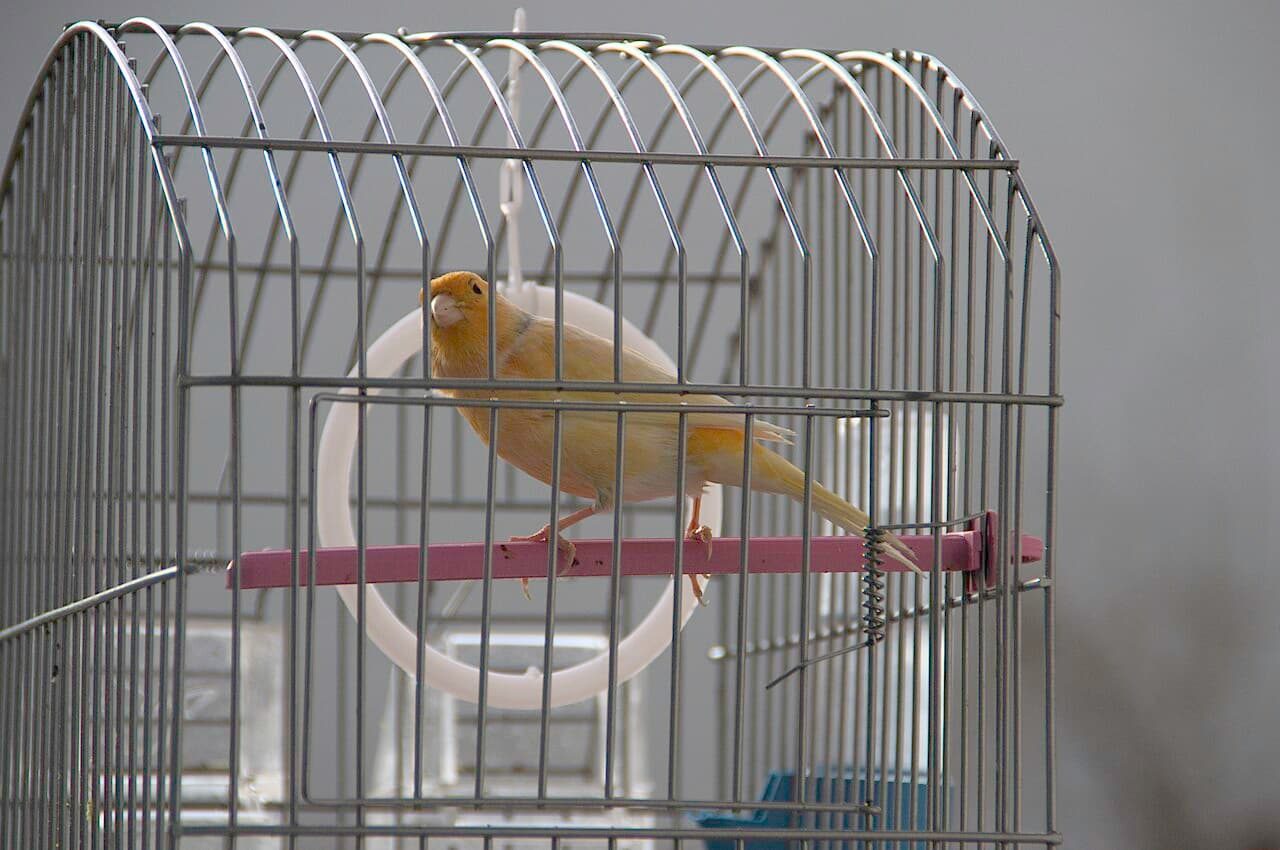
Where to Put a Canary Cage
Where to put a canary cage at home — the best rooms, height and wall position, plus places to avoid such as kitchens, drafty windows, heaters and busy hallways.
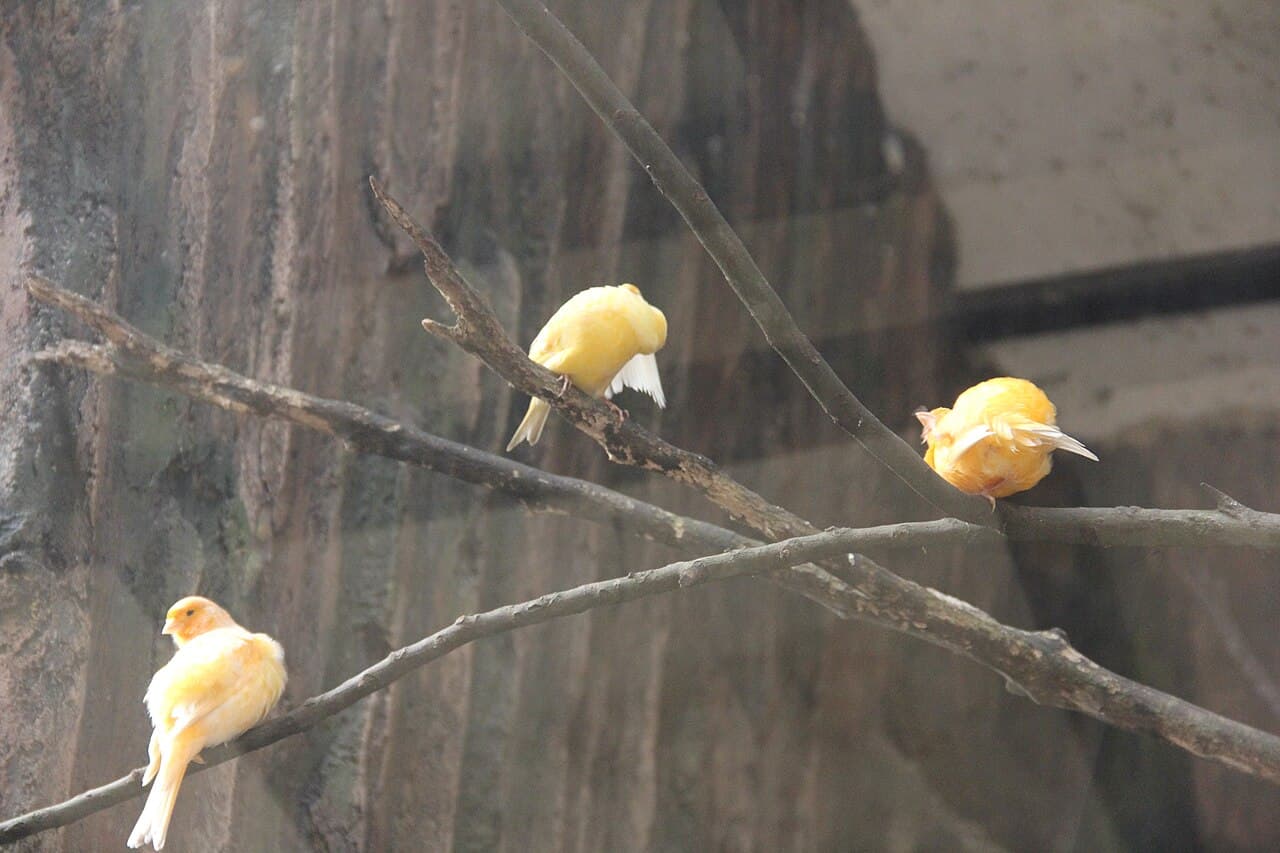
Best Cage Setup for a Canary
How to set up a canary cage properly — cage shape, perch types and placement, food and water dishes, bath, cuttlebone, floor covering and what to leave out.
What Do Canaries Eat?
What domestic canaries eat — seed mixes, pellets, vegetables, greens, fruit, egg food, calcium and water — with a sample daily feeding plan and seasonal changes.