12 Common Canary Care Mistakes (and How to Avoid Them)
The most common canary care mistakes — from tall cages and seed-only diets to kitchen fumes and late nights — and simple ways to fix each one.
In this guide
- 1. Choosing a tall cage instead of a long one
- 2. Feeding only seed
- 3. Not checking under the husks
- 4. Topping up water instead of changing it
- 5. Keeping the cage in the kitchen
- 6. Late nights under bright lights
- 7. Too many toys and perches
- 8. Using sandpaper perch covers or a single perch size
- 9. Housing the wrong birds together
- 10. Placing the cage in a draft or in hot sun
- 11. Not offering baths
- 12. Waiting too long when a bird seems unwell
- Quick self-check
Quick answer The most common canary care mistakes are a cage that is too small or too tall, a seed-only diet, water that is topped up instead of changed, keeping the bird near kitchen fumes, too little sleep, cluttered cages, keeping the wrong birds together and waiting too long to get help for a sick bird.
Most canary care mistakes are made with good intentions — a pretty round cage, a cage in the kitchen to keep the bird company, or a mirror "so it won't be lonely". Here are the mistakes that come up most often and what to do instead.
1. Choosing a tall cage instead of a long one
Canaries fly horizontally. Tall, narrow and round cages look attractive but give a canary almost nowhere to fly.
Instead: Choose the longest rectangular cage you can fit. See best cage size for a canary.
2. Feeding only seed
A seed mix is a good base, but on its own it is unbalanced.
Instead: Add fresh vegetables and greens daily, egg food during the molt and breeding, and a calcium source. See what do canaries eat.
3. Not checking under the husks
Canaries leave empty husks on top of the seed. Owners see a "full" dish while the bird slowly goes hungry.
Instead: Blow off the husks and check the seed every day.
4. Topping up water instead of changing it
Old water collects droppings and bacteria.
Instead: Empty, wash and refill the water container daily.
5. Keeping the cage in the kitchen
Cooking fumes, smoke, steam and especially overheated non-stick cookware can be deadly to birds.
Instead: Keep canaries well away from the kitchen. See household dangers for canaries.
6. Late nights under bright lights
A canary in a lit living room until midnight gets far too little rest, which can disrupt the molt and cause stress.
Instead: Give 10–12 hours of quiet darkness. See how much sleep does a canary need.
7. Too many toys and perches
Canaries are not parrots. A cage packed with swings, ladders, mirrors and toys removes their flight space.
Instead: Keep the middle of the cage open, with perches near each end.
8. Using sandpaper perch covers or a single perch size
Abrasive covers can irritate feet, and identical dowel perches give feet no variety.
Instead: Use natural wood perches of different thicknesses. See best cage setup for a canary.
9. Housing the wrong birds together
Two male canaries often fight, especially in spring. A male and female together will try to breed. Canaries should never share a cage with budgies or other parrots.
Instead: Plan pairings deliberately. A single canary can live contentedly on its own.
10. Placing the cage in a draft or in hot sun
Drafts from doors, windows or air conditioning, and hot sun through glass, both stress canaries.
Instead: A bright, stable, draft-free spot. See where to put a canary cage.
11. Not offering baths
Bathing is important for feather condition, especially during the molt.
Instead: Offer a shallow bath several times a week. See do canaries need a bath.
12. Waiting too long when a bird seems unwell
Small birds hide illness. By the time a canary is visibly sick, it often needs help quickly.
Instead: Learn your bird's normal behavior and contact an avian vet promptly if it is fluffed up for long periods, sits on the floor, breathes with effort, stops eating or has changed droppings.
Quick self-check
| Question | Good answer |
|---|---|
| Can my canary fly from one end of the cage to the other? | Yes |
| Does it get fresh vegetables most days? | Yes |
| Is water changed daily? | Yes |
| Is the cage away from the kitchen and drafts? | Yes |
| Does the bird get 10–12 hours of darkness? | Yes |
| Do I know where my nearest avian vet is? | Yes |
For the complete picture, read the complete canary care guide.
This guide shares general husbandry information and practical keeping experience. It is not veterinary advice. If your canary seems unwell, contact an avian veterinarian. Spotted an error? Report a correction.
Related guides
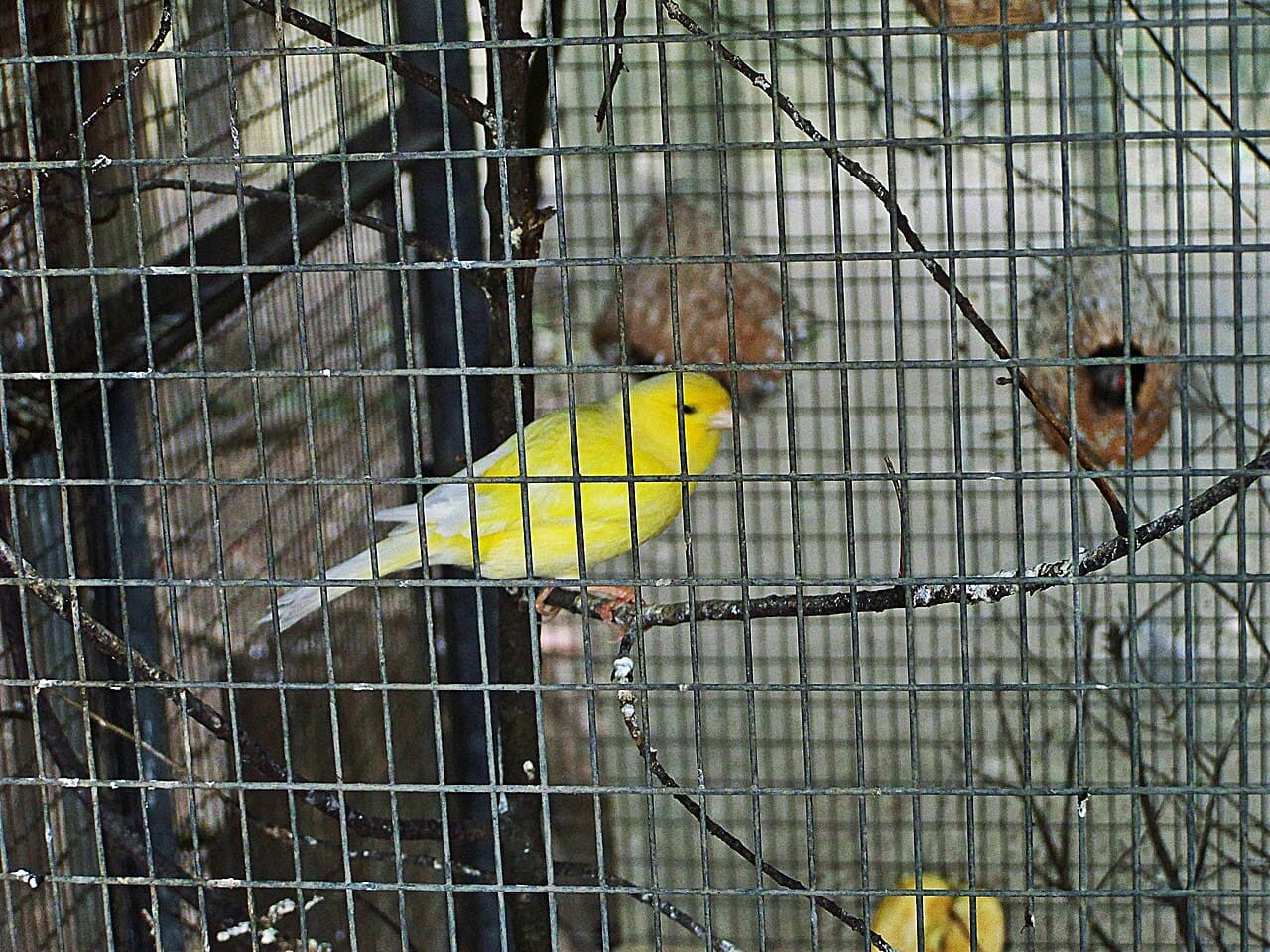
Complete Canary Care Guide
A complete beginner guide to domestic canary care: choosing a canary, cage setup, food, water, sleep, light, bathing, cleaning, molting, breeding and routine.
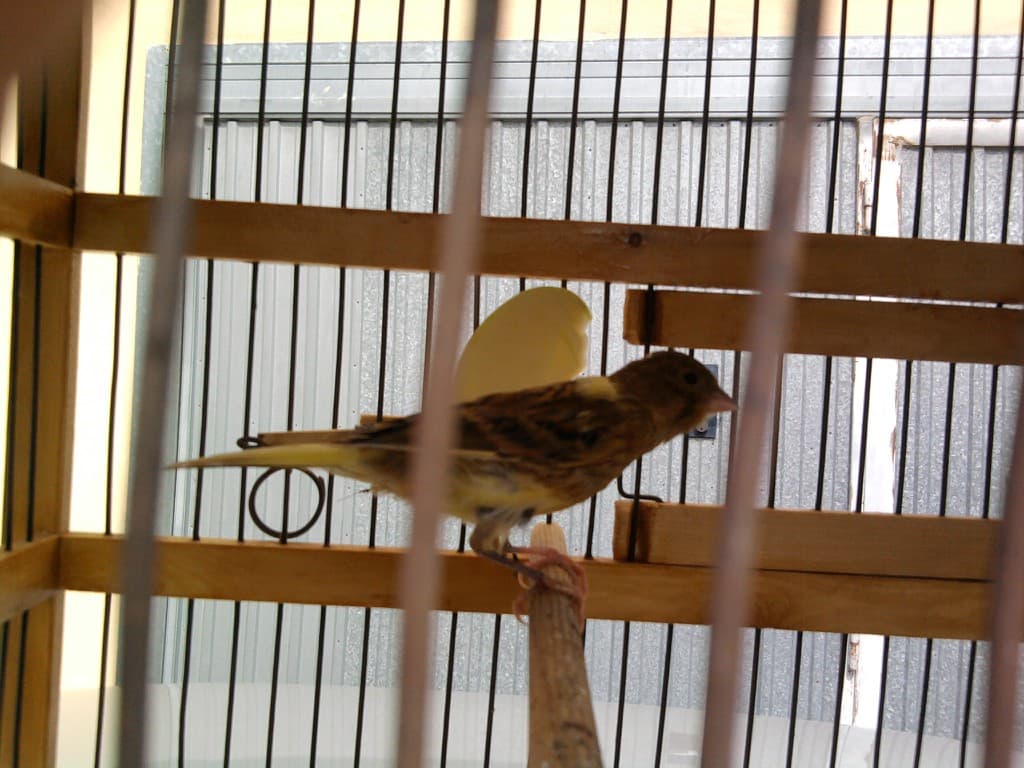
Best Cage Size for a Canary
What size cage a canary needs — why length matters more than height, practical minimum dimensions for one canary, sizes for pairs and flights, and safe bar spacing.
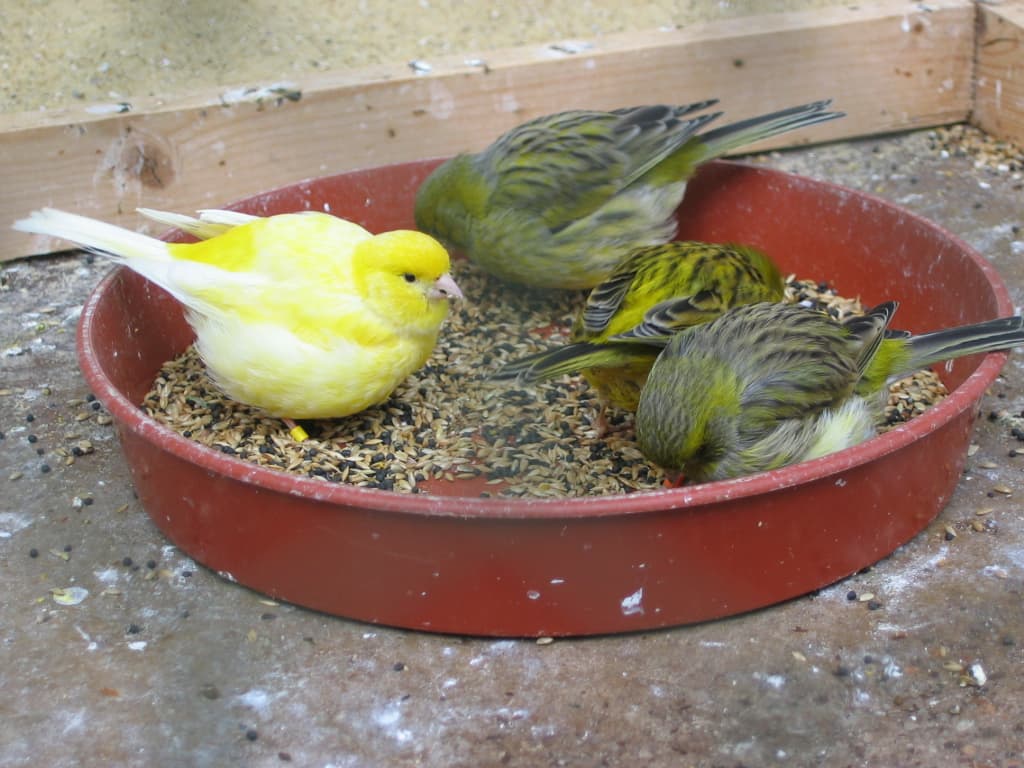
What Do Canaries Eat?
What domestic canaries eat — seed mixes, pellets, vegetables, greens, fruit, egg food, calcium and water — with a sample daily feeding plan and seasonal changes.
Best Cage Setup for a Canary
How to set up a canary cage properly — cage shape, perch types and placement, food and water dishes, bath, cuttlebone, floor covering and what to leave out.