Do Canaries Need a Bath? How and How Often to Offer One
Yes — canaries need regular access to bath water. Learn how often to offer a bath, the best bath setups, water temperature and what to do if your canary will not bathe.
In this guide
Quick answer Yes. Canaries need regular access to bath water to keep their feathers clean and in good condition. Offer a shallow dish of clean, room-temperature water several times a week — daily in hot weather and during the molt — in the morning, and remove it after the bird has bathed.
Most canaries love water. Bathing loosens dust and dirt, helps keep feathers flexible, and appears to help birds through the molt as new feathers break out of their sheaths. Watching a canary splash enthusiastically is also one of the small pleasures of keeping them.
How often should a canary bathe?
| Situation | Suggested bath frequency |
|---|---|
| Normal conditions | Several times a week |
| Hot weather | Daily |
| During the molt | Daily or most days |
| Breeding hen sitting on eggs | Many breeders continue to offer baths; hens often bathe briefly |
| Cold room or bird unwell | Skip it, and consult a vet if the bird is unwell |
Let the bird decide how much it bathes. Some canaries splash for minutes; others dip once and leave.
Bath setups that work
- Clip-on bath: A covered bath that hangs over the cage door opening. It keeps splashes mostly outside the cage and is the most popular option.
- Shallow dish on the cage floor: Simple and effective. Use a heavy, wide dish so it will not tip.
- Shallow dish in a flight or aviary: Good for several birds; change the water after use.
Keep the water shallow — around 1–2 cm is plenty. A canary should be able to stand with its feet on the bottom.
Water temperature and timing
- Use clean, room-temperature water, not cold from the tap and never warm.
- Offer the bath in the morning or early afternoon so the bird is completely dry long before dark.
- Remove the bath once the bird has finished. Dirty bath water left in the cage gets drunk and soiled.
My canary will not bathe — what can I do?
New birds, or birds that have never had a bath, can be cautious at first.
- Try a different container: some birds prefer a clip-on bath, others a dish.
- Place the bath where the bird can see it from a favorite perch.
- Add a few wet lettuce or spinach leaves to the bath; some canaries will "bathe" in wet greens before they use open water.
- Be patient and keep offering it at the same time each day.
Note If a canary that normally bathes suddenly shows no interest and is also fluffed up, quiet or eating less, the change may be about how it feels rather than the bath. Watch closely and contact an avian vet if other signs appear.
Related guides
- Complete canary molting guide — why baths are especially helpful during the molt.
- Daily canary care routine — where bathing fits in the day.
- Best cage setup for a canary — making room for a bath without blocking flight.
Frequently asked questions
Should I spray my canary with water?
Most canaries prefer to bathe themselves in a shallow dish. A very fine mist from a clean spray bottle that has never held chemicals can be accepted by some birds, but never force it and never spray directly in the face.
Can a canary bathe in winter?
Yes, as long as the room is comfortably warm and draft-free and the bath is offered early enough in the day for the bird to dry completely before night.
Should I add anything to bath water?
No. Plain, clean, room-temperature water is all a canary needs. Do not add soap, oils or bath products.
This guide shares general husbandry information and practical keeping experience. It is not veterinary advice. If your canary seems unwell, contact an avian veterinarian. Spotted an error? Report a correction.
Related guides
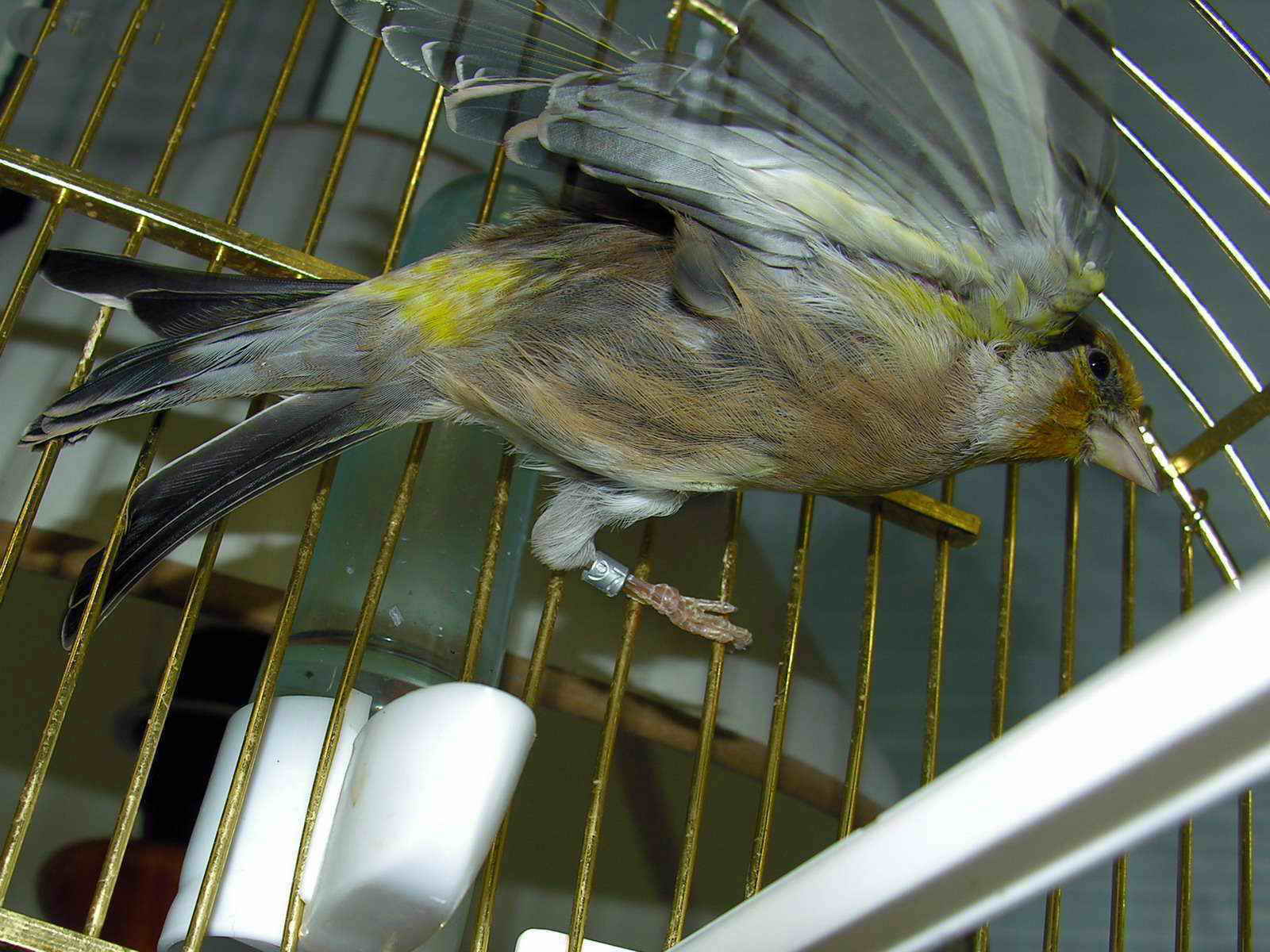
Complete Canary Molting Guide
Canary molting explained: when it happens, how long it lasts, normal feather loss, juvenile and soft molts, why song stops, and how to help your bird.
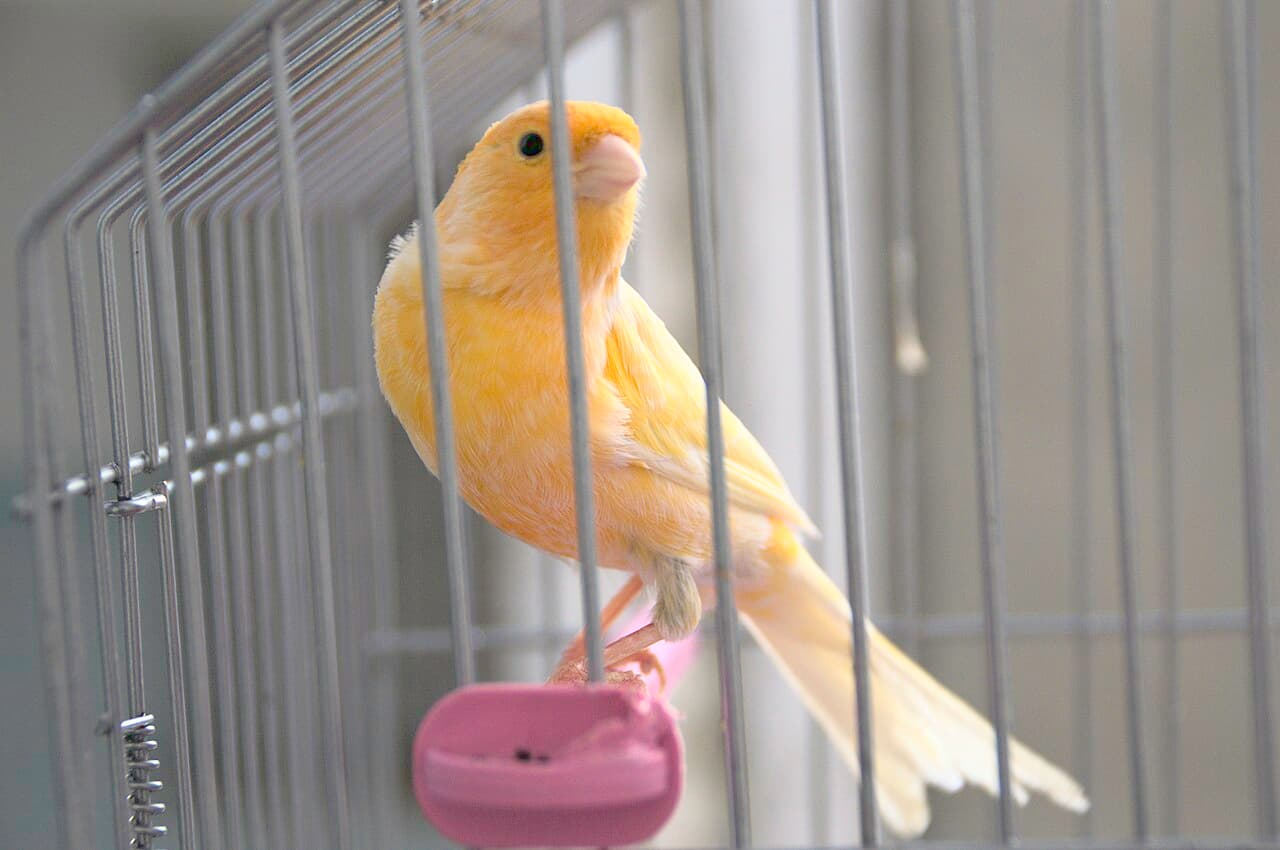
Daily Canary Care Routine
A practical daily canary care routine covering water, food, fresh greens, health checks, cleaning, bathing and bedtime — plus weekly and seasonal tasks.
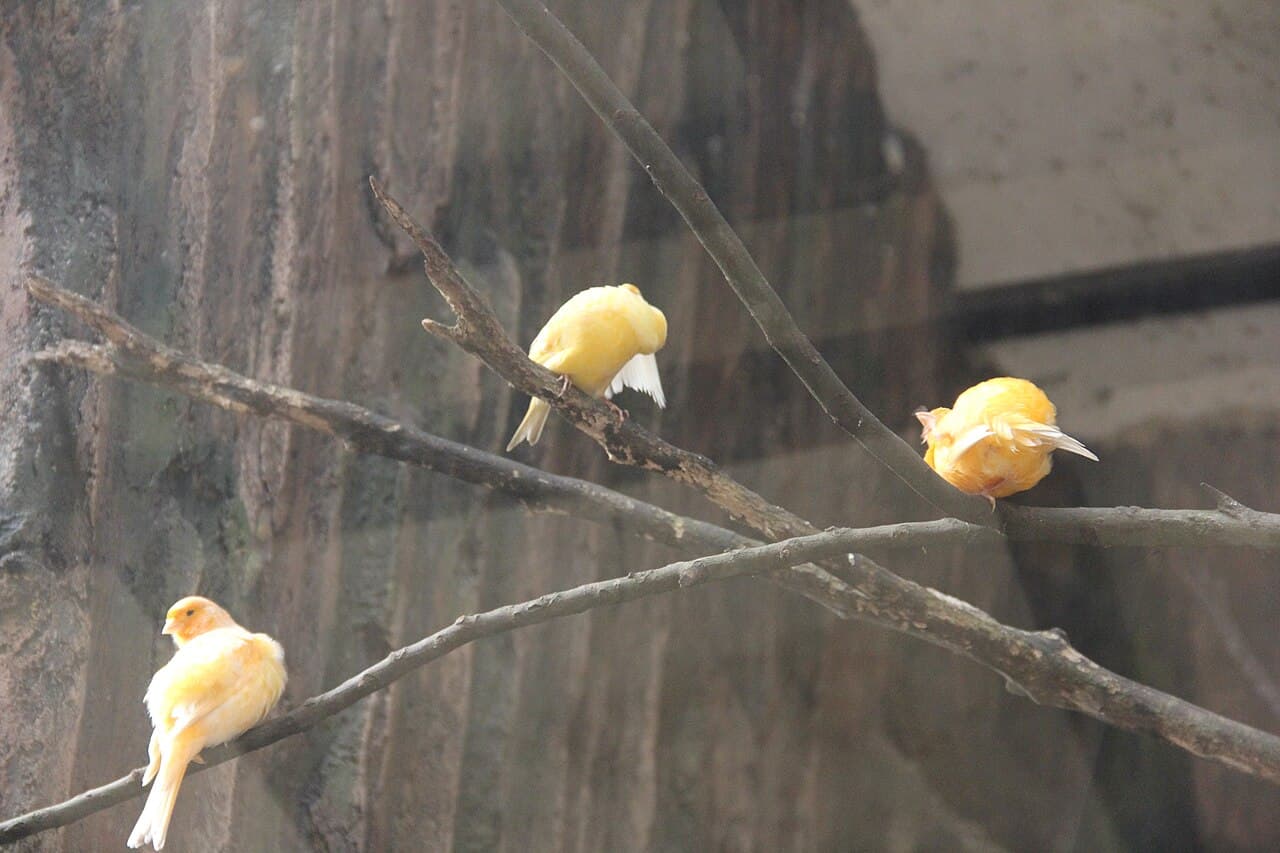
Best Cage Setup for a Canary
How to set up a canary cage properly — cage shape, perch types and placement, food and water dishes, bath, cuttlebone, floor covering and what to leave out.
Complete Canary Care Guide
A complete beginner guide to domestic canary care: choosing a canary, cage setup, food, water, sleep, light, bathing, cleaning, molting, breeding and routine.