Feeding a Canary During Molting — Diet Tips for the Molt
How to feed a molting canary — more protein with egg food, extra greens, seed and pellets, calcium, and what to know about color feeding for red factor canaries.
In this guide
Quick answer During the molt, keep the normal seed or pellet base available, add egg food several times a week or daily for extra protein, offer fresh leafy greens and vegetables every day, keep a cuttlebone in the cage and change water daily. Red factor canaries need color feeding during the molt if their red coloring is to be maintained.
Feathers are made almost entirely of protein. During a molt, a canary has to grow a complete new set of feathers in a few weeks, so its nutritional needs increase. Diet is one of the most practical ways to help.
Molting diet at a glance
| Food | During the molt | Notes |
|---|---|---|
| Seed mix or pellets | Always available | Keep the normal base diet |
| Egg food | Several times a week to daily | Main extra protein source; remove after a few hours |
| Hard-boiled egg, finely chopped | Occasionally | Plain and cooled |
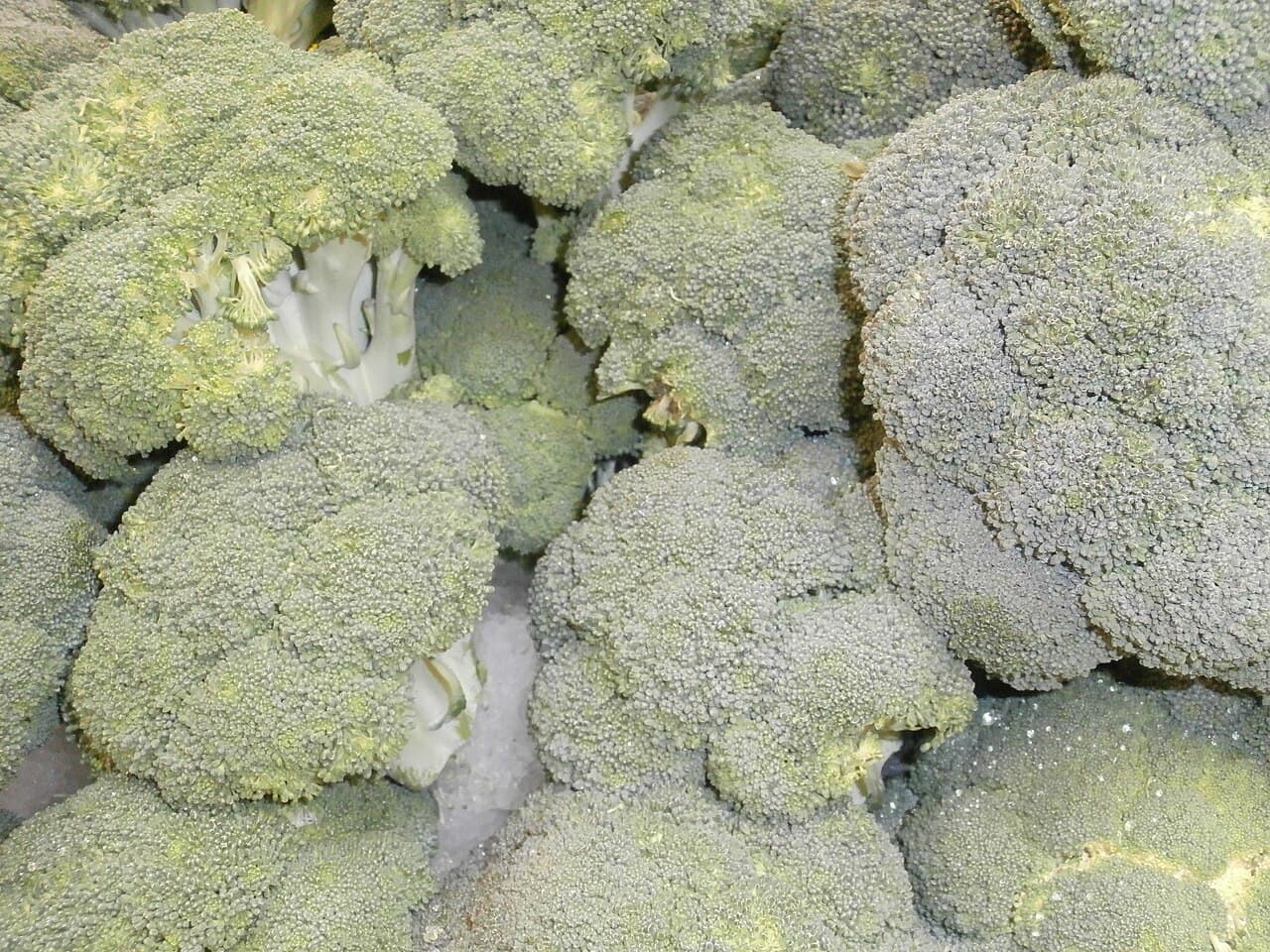
| Leafy greens and vegetables | Daily | Broccoli, kale, romaine, grated carrot |
| Sprouted seed | A few times a week | Rinsed well; discard if sour or moldy |
| Cuttlebone | Always available | Calcium and minerals |
| Water | Changed daily | Also offer a bath |
Why egg food matters
Egg food provides concentrated protein in a soft, easy-to-eat form. Use a commercial egg food for canaries or a simple homemade mix based on hard-boiled egg. Introduce it before the molt begins if your bird has not had it before — some canaries take time to accept it.
Tip Egg food spoils quickly in a warm room. Offer a small amount in the morning and remove it after a few hours.
Fresh greens
Greens add vitamins and variety and are eagerly eaten by most molting birds. See foods canaries can eat.
Color feeding for red factor canaries
The red color of red factor canaries depends on pigments called carotenoids in the diet while feathers grow. Without suitable color feeding during the molt, new feathers come in paler — often orange or apricot. Breeders use commercial color-feeding products or carotenoid-rich foods during the molt. Follow product instructions carefully and do not exceed recommended amounts. See the red factor canary guide.
What to avoid
- Sudden diet changes in the middle of the molt
- Adding supplements to water without veterinary advice
- Leaving egg food or greens in the cage all day
- Sugary or salty "treats"
Related: complete canary molting guide and what do canaries eat.
Frequently asked questions
Do canaries need vitamins during molting?
A varied diet with egg food and fresh greens covers most needs. Do not add vitamin or mineral supplements on your own, especially in drinking water; ask an avian vet if you think your bird needs them, because over-supplementation can cause harm.
Can I give my canary extra seed during the molt?
Seed should always be available anyway. What changes during the molt is the need for protein, so egg food and quality fresh food are more useful than simply more seed.
This guide shares general husbandry information and practical keeping experience. It is not veterinary advice. If your canary seems unwell, contact an avian veterinarian. Spotted an error? Report a correction.
Related guides
Complete Canary Molting Guide
Canary molting explained: when it happens, how long it lasts, normal feather loss, juvenile and soft molts, why song stops, and how to help your bird.
What Do Canaries Eat?
What domestic canaries eat — seed mixes, pellets, vegetables, greens, fruit, egg food, calcium and water — with a sample daily feeding plan and seasonal changes.

Red Factor Canary
Red factor canary guide: red siskin ancestry, history, colors and feather types, care, color feeding during the molt and breeding considerations.
Why Is My Canary Not Singing?
The most common reasons a canary is not singing — female bird, molting, age, new home, season, stress, light and health — and practical steps to help a male sing again.