How Long Does Canary Molting Last?
A normal canary molt usually lasts around 6–10 weeks. What affects the length of the molt, how a juvenile molt differs, and when a molt is lasting too long.
In this guide
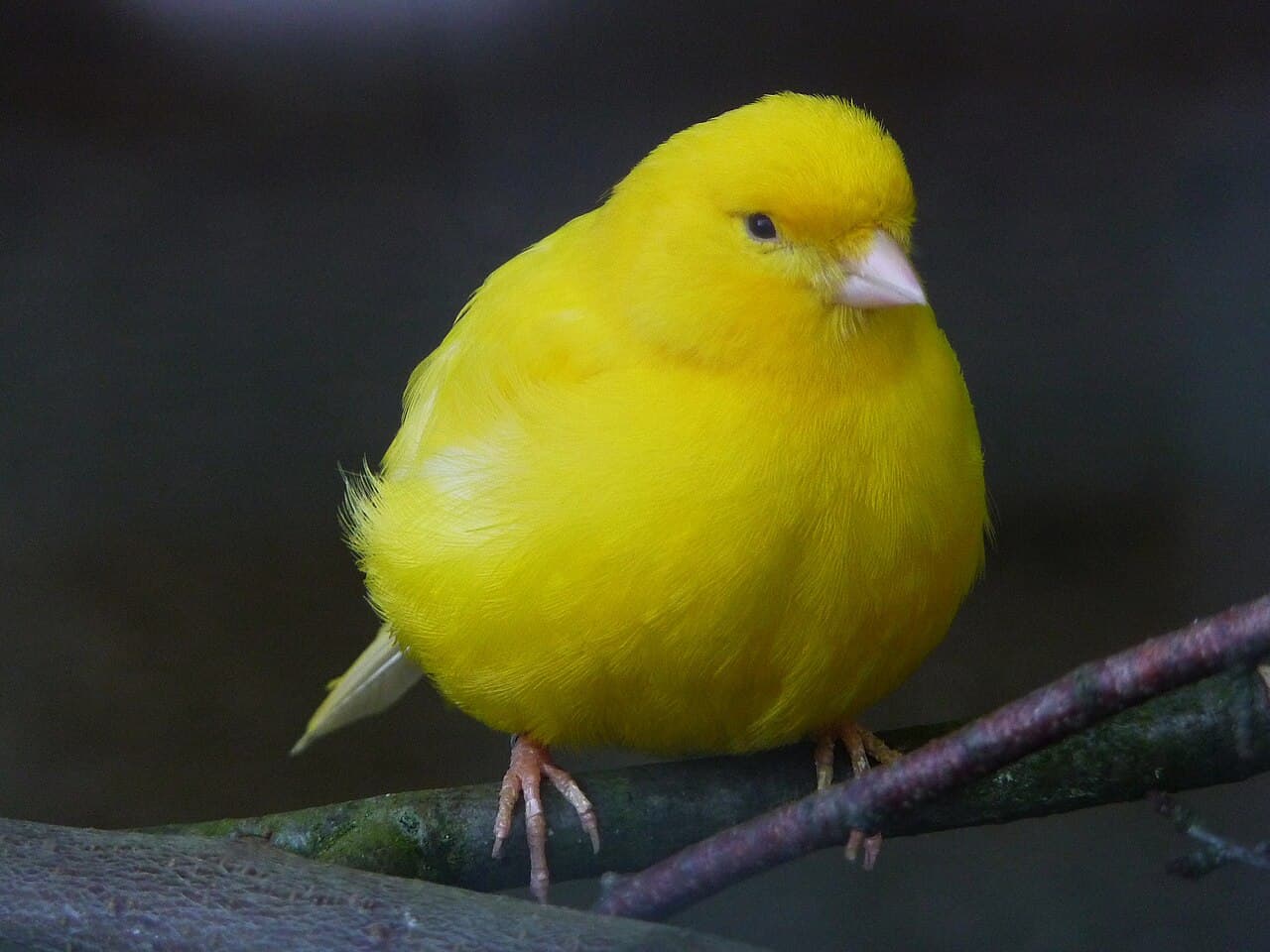
Quick answer A normal adult canary molt usually lasts around 6 to 10 weeks, typically in late summer and autumn. Young birds have a partial juvenile molt, usually starting at around 6–12 weeks old. A molt that continues for many months, or keeps restarting, is not normal and is often linked to irregular light, heat or stress.
Typical molt timeline
| Stage | Approximate timing | What you see |
|---|---|---|
| Start | Late summer, after breeding | A few extra feathers on the floor; singing reduces |
| Peak | Weeks 2–6 | Lots of feathers shed; many pin feathers; bird quieter |
| Finishing | Weeks 6–10 | Fewer feathers dropped; plumage looks tight and fresh |
| After | Following weeks | Song gradually returns |
What affects how long a molt lasts
- Age: Older birds may molt more slowly.
- Condition: Birds in good condition, on a good diet, tend to molt more smoothly.
- Breeding: Hens that have raised several rounds of chicks may start late and molt more slowly.
- Light and temperature: Irregular light and warm, fluctuating rooms are commonly linked to prolonged or "soft" molts.
- Stress: Disturbance and changes can disrupt the molt.
Juvenile molt
Young canaries go through their first molt starting from around 6–12 weeks of age. It usually involves body feathers only; most young birds keep their wing and tail feathers until their first full adult molt the following year. Young males may stop practicing song during this time.
When a molt is lasting too long
Consider a vet check if:
- Feather loss continues for months
- Bald patches appear
- New feathers do not grow back
- The bird is fluffed up, lethargic, or eating less
Helping the molt along
Good nutrition, daily baths, calm routine and proper darkness at night all help. See feeding a canary during molting, the complete canary molting guide and how much sleep does a canary need.
Frequently asked questions
When will my canary start singing again after molting?
Song usually returns gradually in the weeks after the molt finishes, often starting with quiet practice before full song returns. Many males are singing strongly again by winter.
My canary has been molting for months — is that normal?
A molt lasting several months, or feather loss that never seems to stop, is not typical. Check the light cycle, room temperature and diet, and consult an avian vet, especially if the bird also seems unwell.
This guide shares general husbandry information and practical keeping experience. It is not veterinary advice. If your canary seems unwell, contact an avian veterinarian. Spotted an error? Report a correction.
Related guides
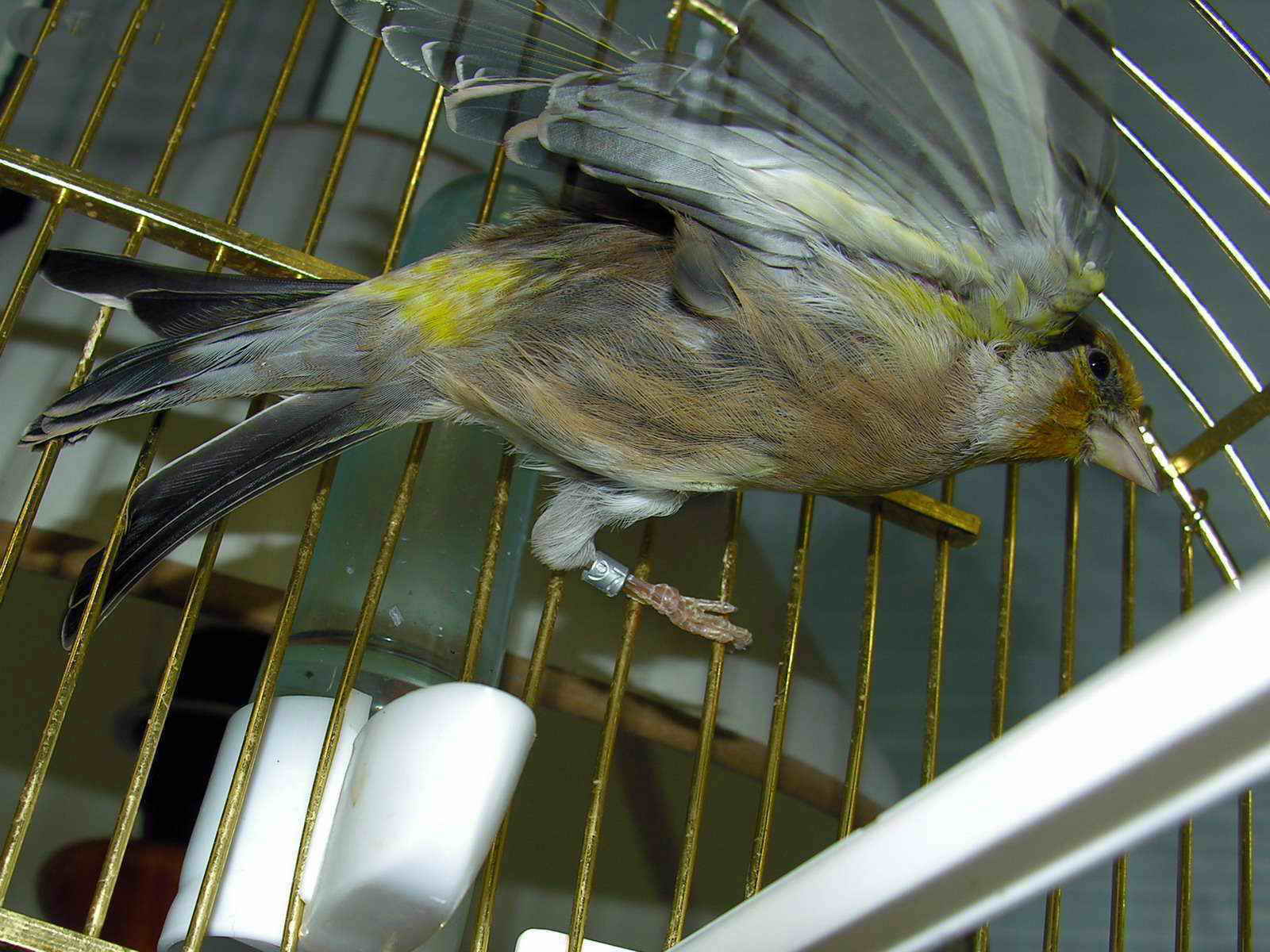
Complete Canary Molting Guide
Canary molting explained: when it happens, how long it lasts, normal feather loss, juvenile and soft molts, why song stops, and how to help your bird.
Feeding a Canary During Molting
How to feed a molting canary — more protein with egg food, extra greens, seed and pellets, calcium, and what to know about color feeding for red factor canaries.
How Much Sleep Does a Canary Need?
Canaries need around 10–12 hours of quiet darkness each night. Learn how to set a bedtime routine, whether to cover the cage, and how sleep affects singing and molting.
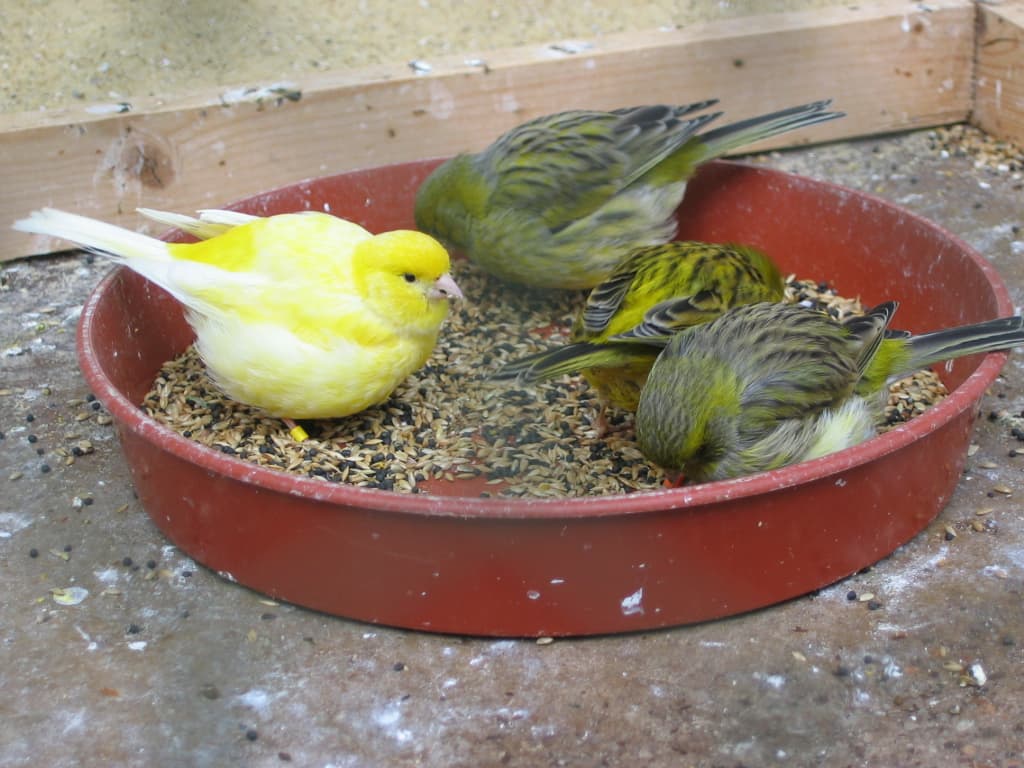
What Do Canaries Eat?
What domestic canaries eat — seed mixes, pellets, vegetables, greens, fruit, egg food, calcium and water — with a sample daily feeding plan and seasonal changes.