Canary Not Eating? What to Check and When to Get Help
What to check when a canary seems not to be eating — husks, new food, stress, molting — and the warning signs that mean contacting an avian vet the same day.
In this guide
Quick answer First check whether the bird actually has food: blow the husks off the dish, because an apparently full dish may be only empty husks. Then consider recent changes — new food, a new feeder, a new cage or room. A canary that is genuinely not eating, especially if it is also fluffed up, sleepy or sitting on the floor, needs an avian vet the same day — small birds cannot go long without food.
This page helps you check the everyday, practical causes. It does not diagnose illness.
When to get help Contact an avian vet promptly if your canary is not eating and is fluffed up, sleeping a lot, sitting on the floor, breathing with effort, losing weight, has changed droppings, or has fewer droppings than usual.
Step 1: Is there really food?
- Blow off the husks. Canaries leave empty husks on top of the seed.
- Check under the husks. Is there whole seed left?
- Look at the droppings. Fewer or very small droppings can mean little food is going in.
Step 2: What has changed?
| Change | What to do |
|---|---|
| New seed or pellets | Go back to the old food; switch gradually |
| New feeder or drinker | Put the old one back alongside |
| New cage or room | Sprinkle seed on the floor; keep things calm |
| New bird in the cage | Check for food guarding; add a second feeder |
| Molting | Expect a quieter bird, but it should still eat |
Step 3: Watch the bird eating
Spend a few minutes watching from a distance. A canary that goes to the dish, picks up seed and hulls it is eating. One that sits by the dish without eating, or picks up seed and drops it, needs a vet.
Prevention
- Check food under the husks every day.
- Change food and equipment gradually.
- Learn your bird's normal droppings.
Related: what do canaries eat and signs of canary stress.
Frequently asked questions
How long can a canary go without food?
Not long. Canaries have very fast metabolisms and can become seriously weak quickly without food. A canary that has genuinely not eaten for most of a day needs veterinary attention.
This guide shares general husbandry information and practical keeping experience. It is not veterinary advice. If your canary seems unwell, contact an avian veterinarian. Spotted an error? Report a correction.
Related guides
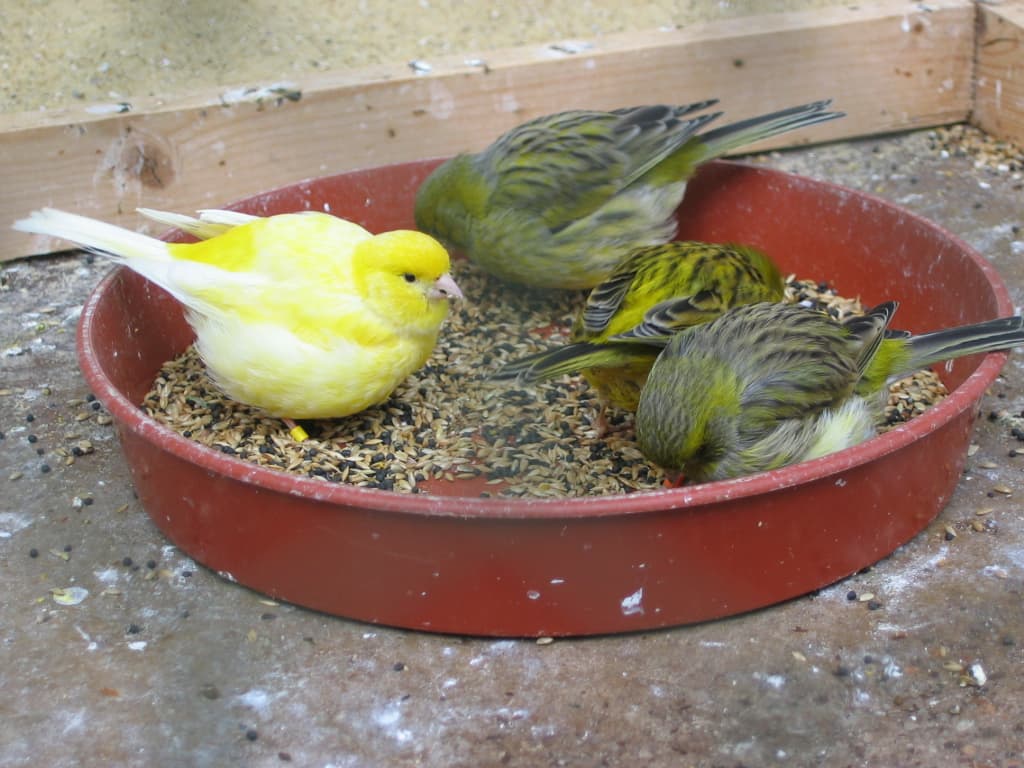
What Do Canaries Eat?
What domestic canaries eat — seed mixes, pellets, vegetables, greens, fruit, egg food, calcium and water — with a sample daily feeding plan and seasonal changes.
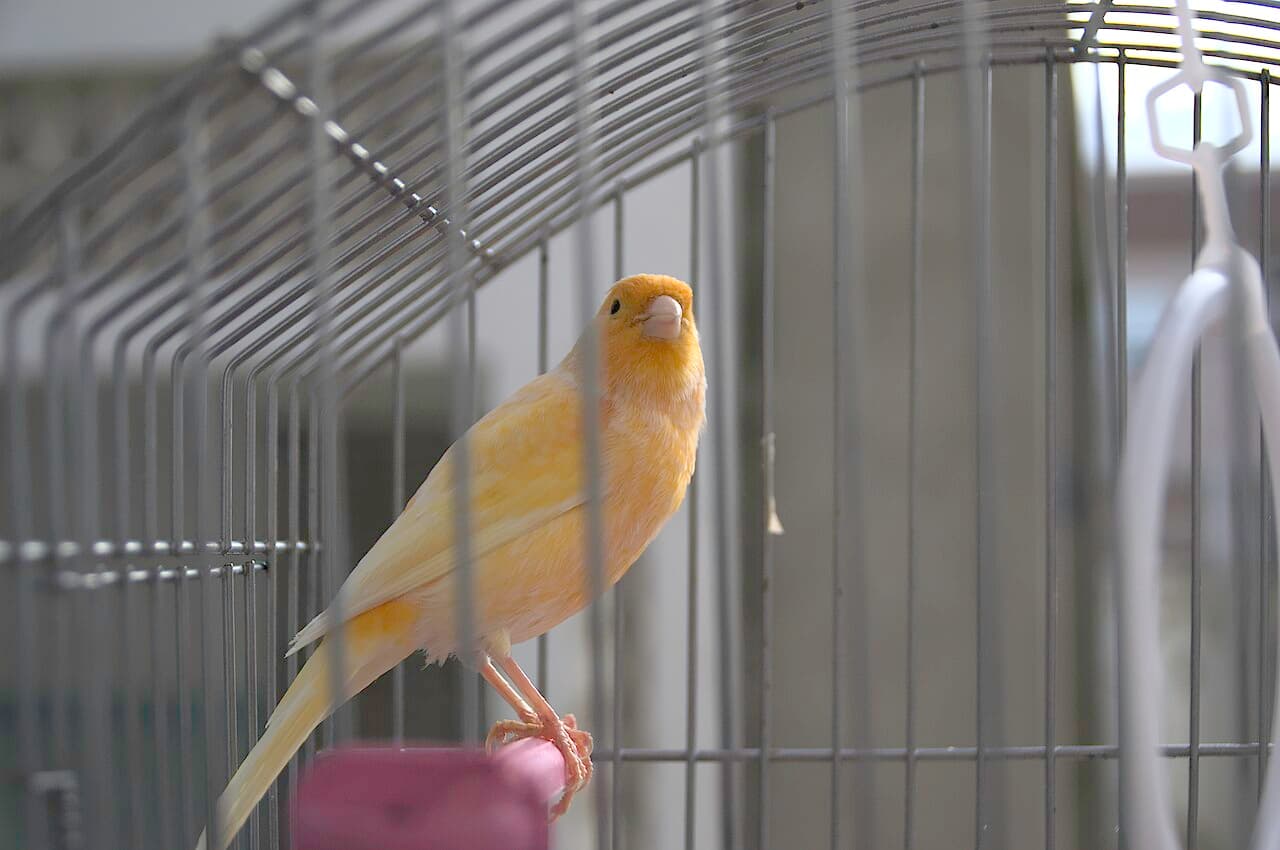
How to Introduce a Canary to a New Home
A calm, step-by-step plan for bringing a new canary home — preparing the cage, the journey, the first days, when it will start singing and introducing it to other birds.
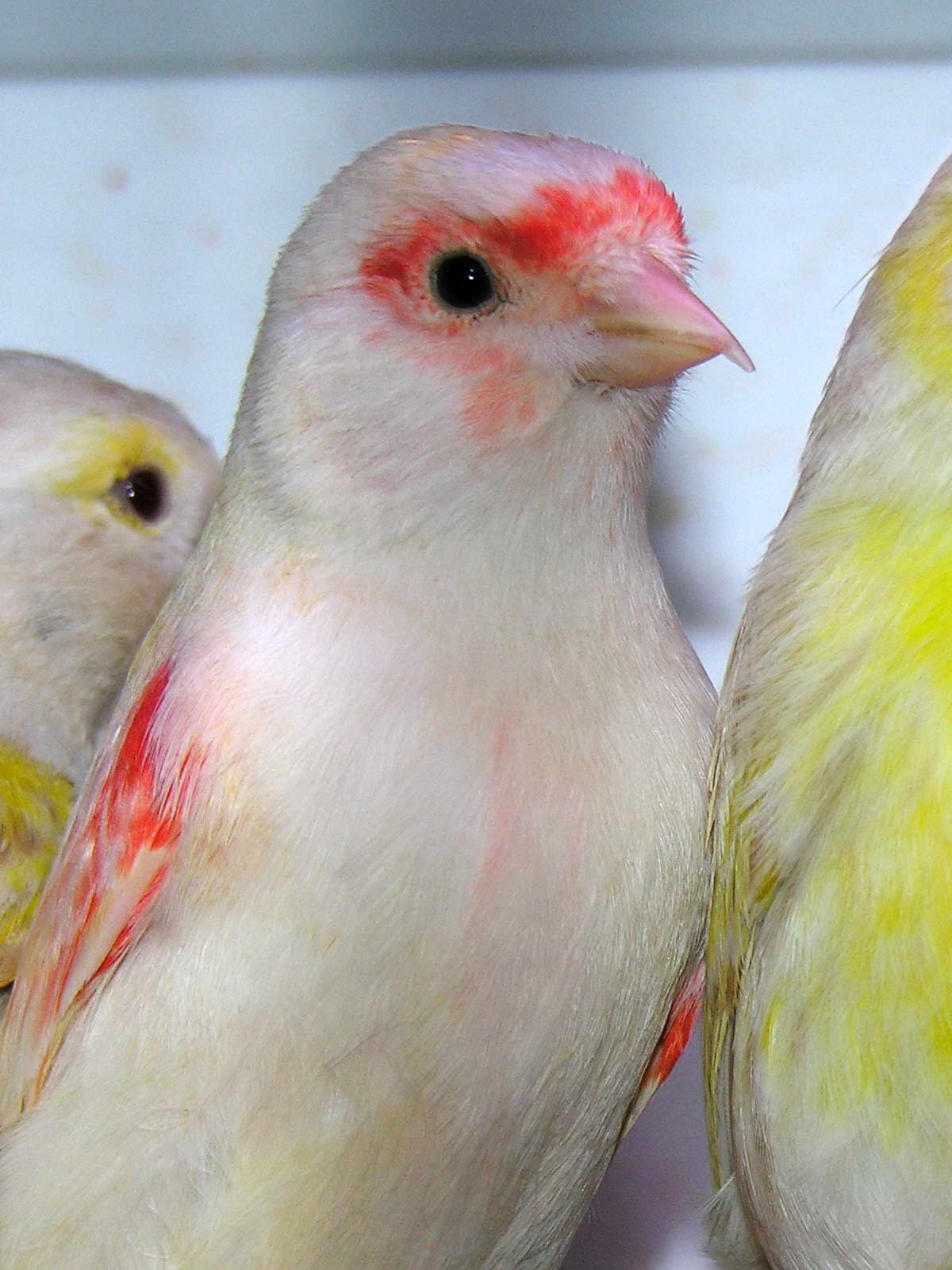
Signs of Canary Stress
How to recognize stress in a canary — panic, feather condition, reduced singing, appetite changes — the common causes at home and how to create a calmer environment.
Canary Throwing Food Out of the Feeder
Why canaries flick seed out of the feeder, which causes are normal, and practical fixes — feeder types, seed mix choice, seed guards and reducing waste.