Canary Eggs Not Hatching — Common Causes and Next Steps
Why canary eggs do not hatch — infertile eggs, birds not in condition, incubation problems, disturbance, humidity — and how to improve results in the next round.
In this guide
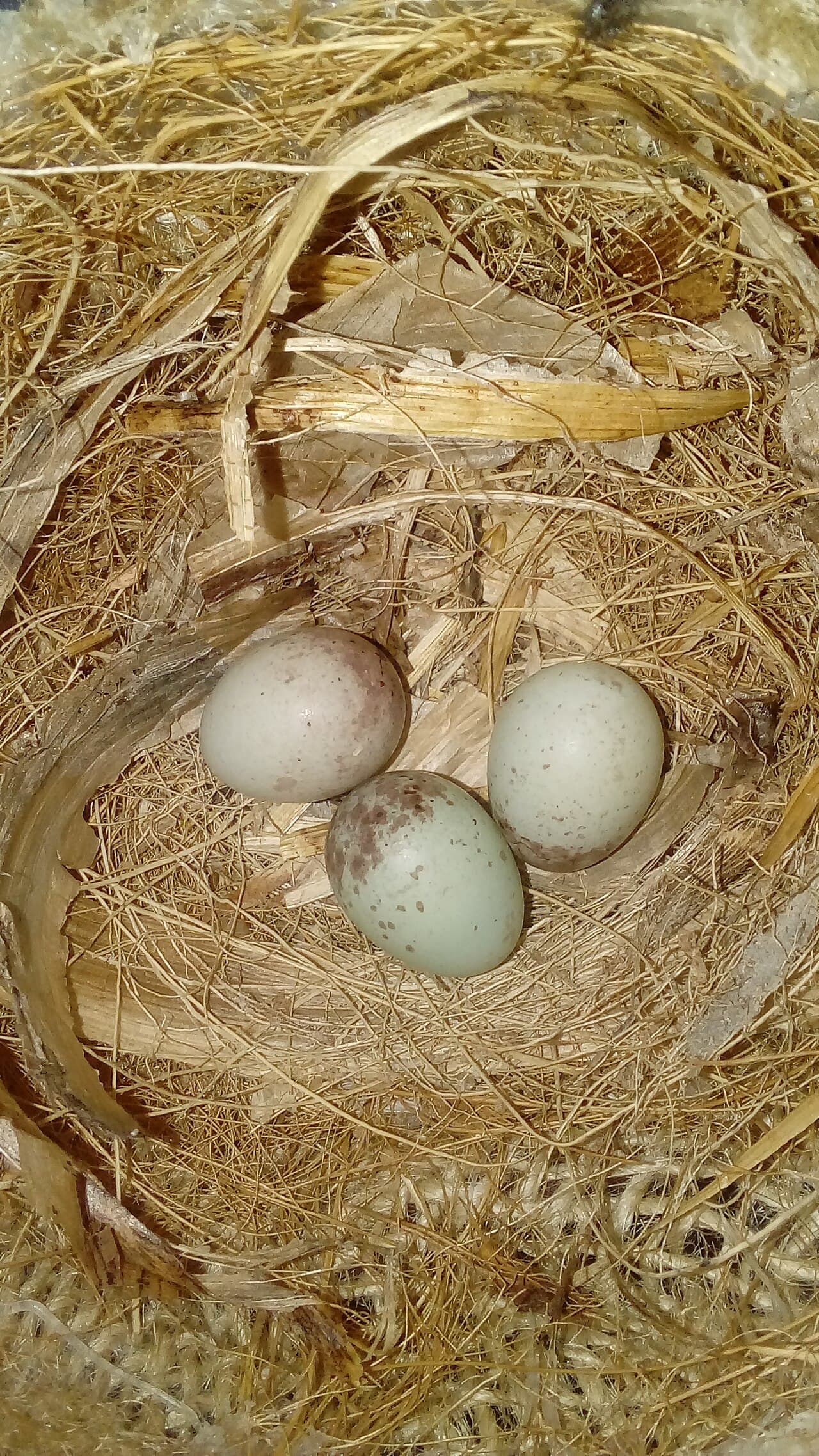
Quick answer Canary eggs most often fail to hatch because they were infertile (the pair was not fully in condition or did not mate successfully), or because incubation was interrupted — the hen sat poorly, left the nest or was disturbed. Other factors include very dry or very humid conditions, rough handling of eggs and older or very young birds. Candling eggs at around 5–7 days tells you whether they were fertile.
Step 1: Count the days correctly
Incubation is about 13–14 days from when the hen starts sitting steadily — not from the first egg laid. If you used dummy eggs, count from the day real eggs were returned. Wait a few days past the expected date before deciding they will not hatch.
Step 2: Were the eggs fertile?
| Candling result | What it suggests |
|---|---|
| Clear egg (light passes through) | Infertile — or very early failure |
| Blood vessels, dark shadow, then stopped developing | Embryo started but died |
| Fully developed chick that did not hatch | Late-stage problem |
See canary eggs and incubation for how to candle.
Common causes of infertile eggs
- One or both birds not fully in breeding condition
- Pairing too early in the season
- Unsuccessful mating — sometimes due to heavy feathering around the vent in some breeds
- Very young or older birds
Common causes of embryos dying
- Hen sitting poorly or leaving the nest
- Disturbance — frequent nest checks, pets, noise
- Very dry or very humid air
- Eggs handled roughly or chilled during storage
Improving the next round
- Condition both birds properly. See how to prepare canaries for breeding.
- Pair only when both show clear readiness.
- Minimize disturbance during incubation.
- Handle eggs gently and rarely.
- Keep conditions stable.
When to get help
If a hen repeatedly lays eggs that do not hatch, or seems unwell, talk to an experienced breeder or an avian vet. A hen straining or fluffed up during laying may be egg-bound — an emergency.
Related: complete canary breeding guide.
Frequently asked questions
How long should I wait before removing eggs that have not hatched?
Most breeders wait a few days beyond the expected hatch date — around 16–18 days after the hen began sitting steadily — before removing eggs that show no sign of hatching.
Are clear eggs always the male's fault?
No. Clear eggs can result from either bird not being in full condition, poor timing of the pairing, mating problems or other factors.
This guide shares general husbandry information and practical keeping experience. It is not veterinary advice. If your canary seems unwell, contact an avian veterinarian. Spotted an error? Report a correction.
Related guides
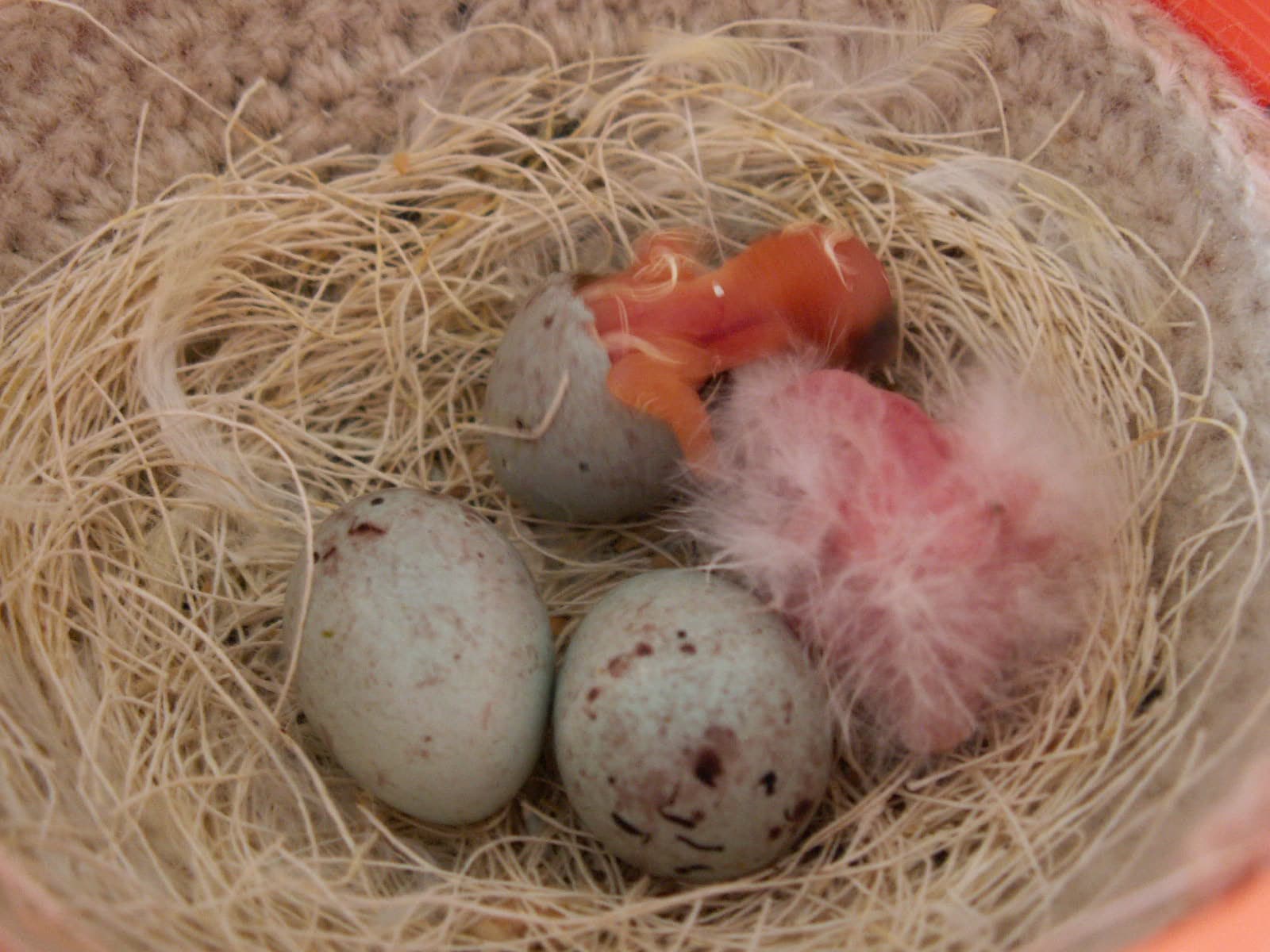
Canary Eggs and Incubation
Everything about canary eggs — how many eggs canaries lay, laying pattern, dummy eggs, how long incubation takes, candling, hatching and common egg problems.
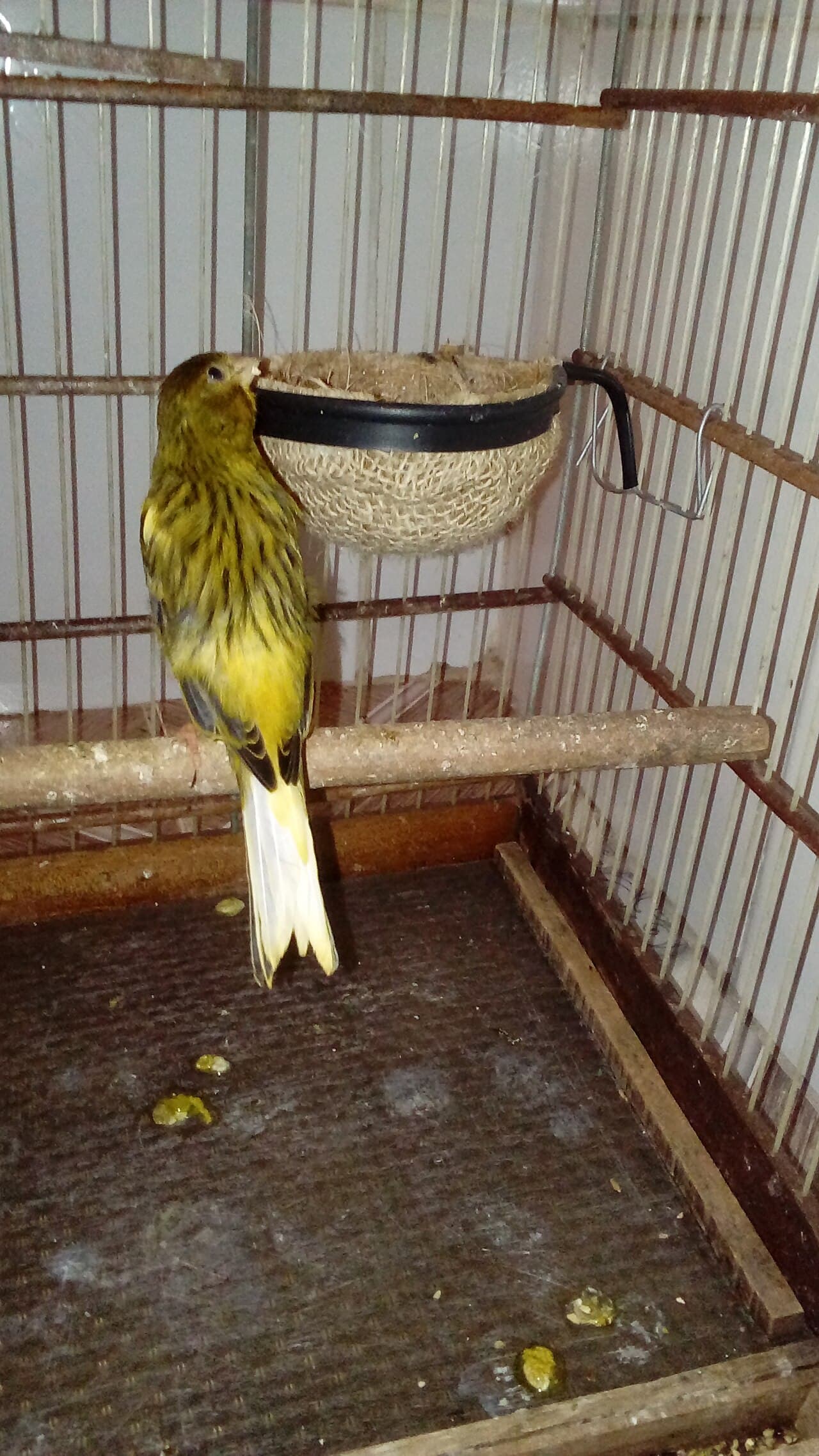
How to Prepare Canaries for Breeding
How to prepare canaries for breeding — health checks, conditioning diet, daylight, timing, and the signs that male and female canaries are ready to pair.
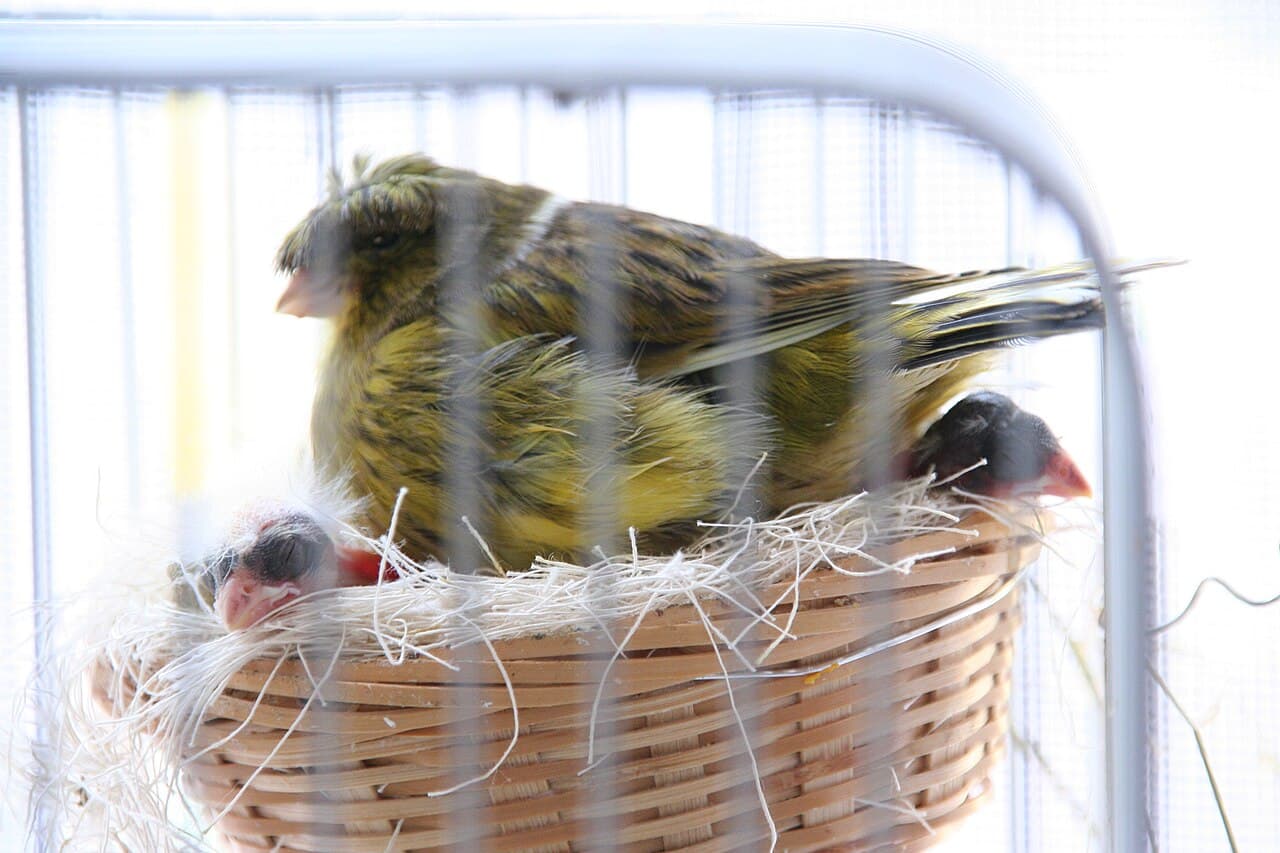
Complete Canary Breeding Guide
A step-by-step canary breeding guide: choosing and conditioning pairs, breeding cages, nests, eggs, incubation, chicks, weaning and how many rounds to allow.

Male Canary Attacking Female
Why a male canary chases or attacks a female, how to tell courtship from aggression, and what to do — separating, reintroducing with a divider and timing pairings.