Canary Fighting With Another Canary — Causes and Solutions
Why canaries fight or chase each other — two males, spring hormones, crowding, food guarding — and practical ways to stop fighting, including when to separate birds.
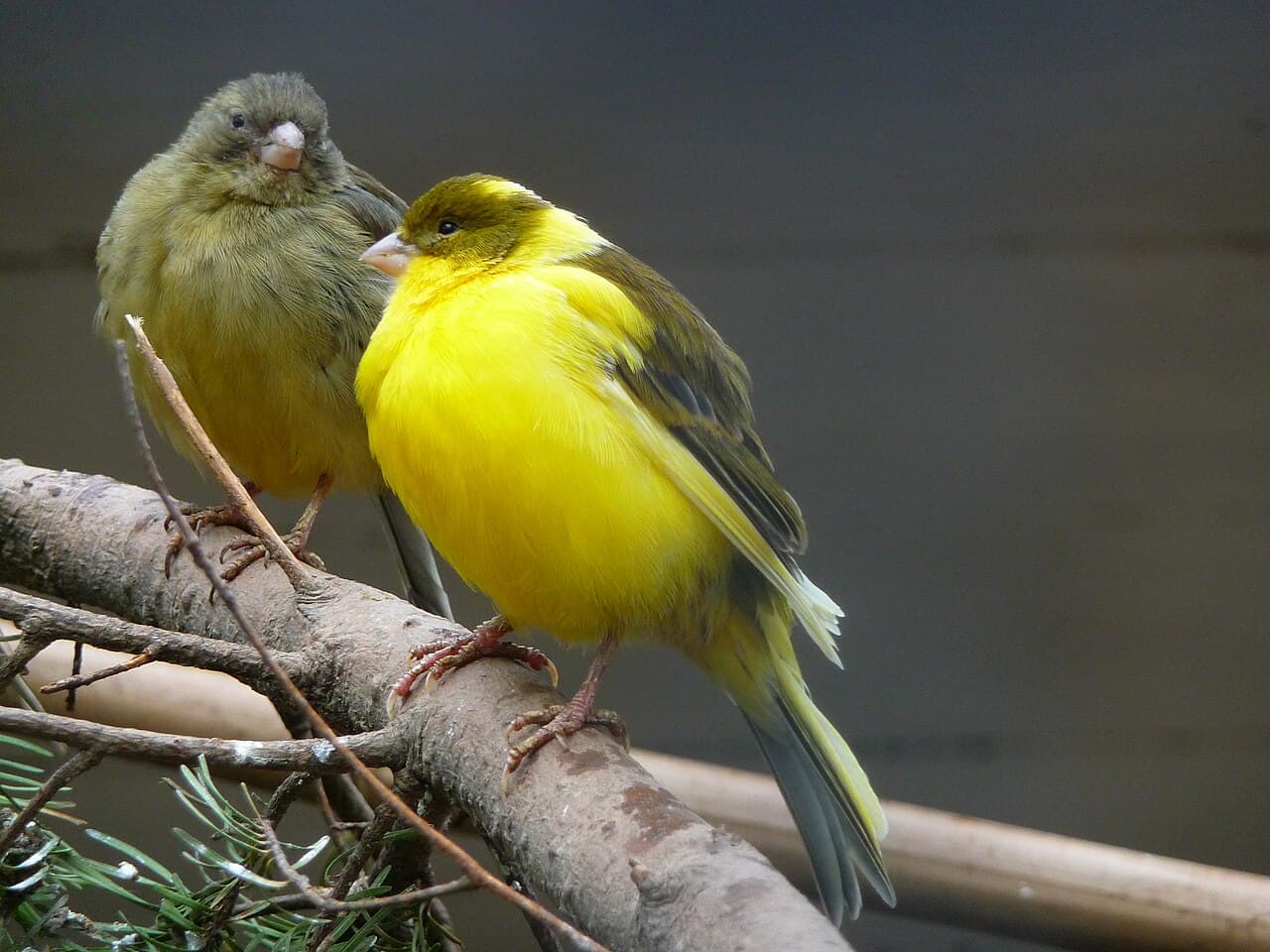
Quick answer Canaries most often fight because two males are kept together, spring hormones are rising, the cage is too small, or one bird guards food, water or a favorite perch. Give more space, add extra feeders, drinkers and perches, and separate birds that keep chasing or pecking each other. Any bird that is injured or being prevented from eating should be separated immediately.
Common causes
| Cause | Typical signs |
|---|---|
| Two males | Chasing, singing contests, pecking — worse in spring |
| Breeding season | Male chasing a hen hard; hens squabbling over nest sites |
| Small cage | Constant squabbles; no escape for the weaker bird |
| Food or water guarding | One bird drives the other away from dishes |
| New bird introduced too fast | Fighting immediately after introduction |
| Single favorite perch | Repeated displacement from one spot |
How to stop canaries fighting
- Separate injured birds at once.
- Increase space — a longer cage or flight. See best cage size for a canary.
- Duplicate everything — two feeders, two drinkers, perches at several heights.
- Reconsider the combination — two males rarely share an ordinary cage peacefully.
- Re-introduce slowly — side-by-side cages first, then a neutral space.
Is it fighting or courtship?
In spring, a male chasing a female can be part of courtship. Persistent chasing, pecking at the head, or a hen hiding and not eating means it has gone too far. See male canary attacking female.
Related: male vs female canary and signs of canary stress.
Frequently asked questions
Can two male canaries live together?
Sometimes in a large flight or aviary with plenty of space, but two males in an ordinary cage often fight, especially in spring. Separate cages within sight and hearing of each other are usually the better option.
This guide shares general husbandry information and practical keeping experience. It is not veterinary advice. If your canary seems unwell, contact an avian veterinarian. Spotted an error? Report a correction.
Related guides
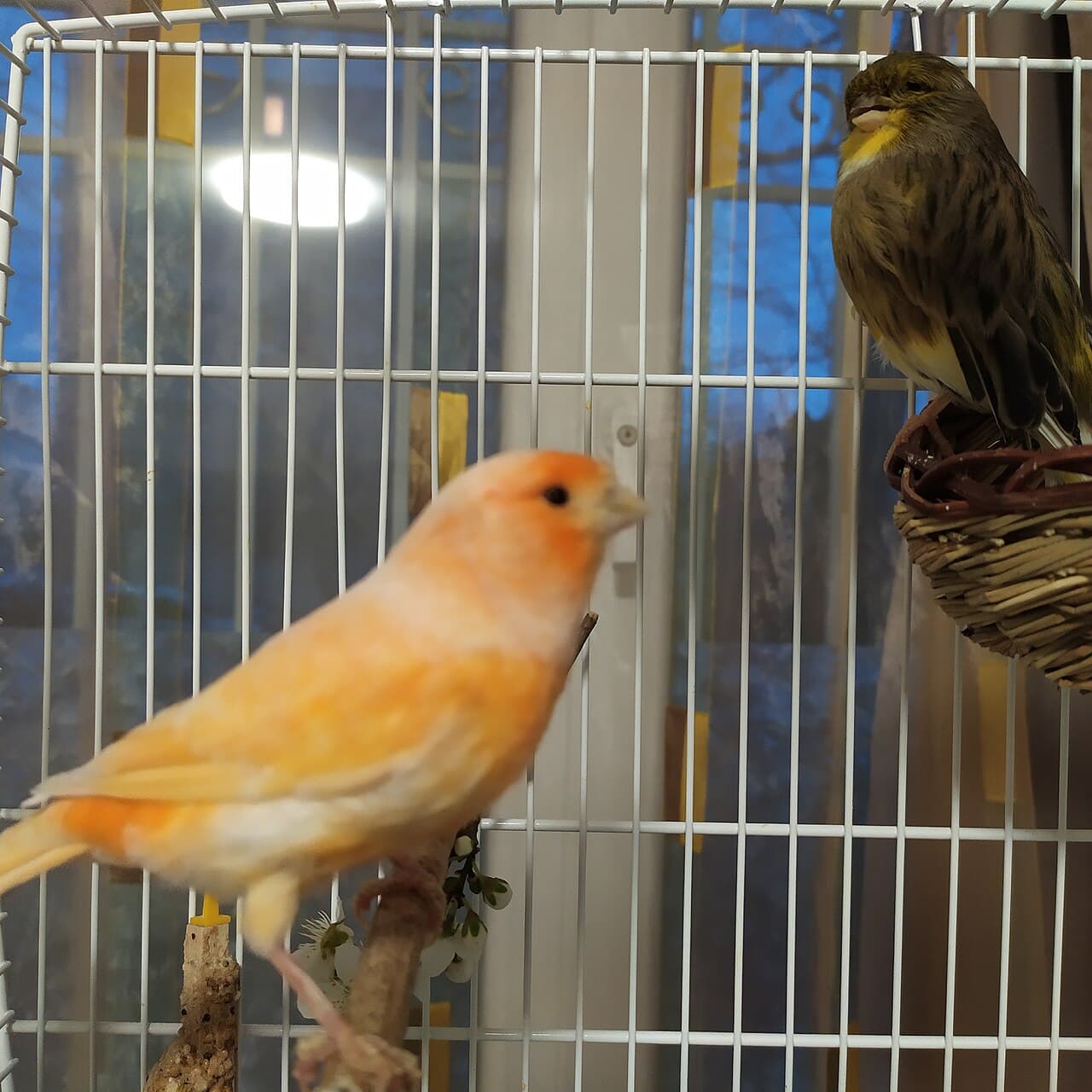
Male vs Female Canary
How to tell male and female canaries apart — singing, behavior, vent shape in breeding condition and other clues — and why sexing young canaries is difficult.
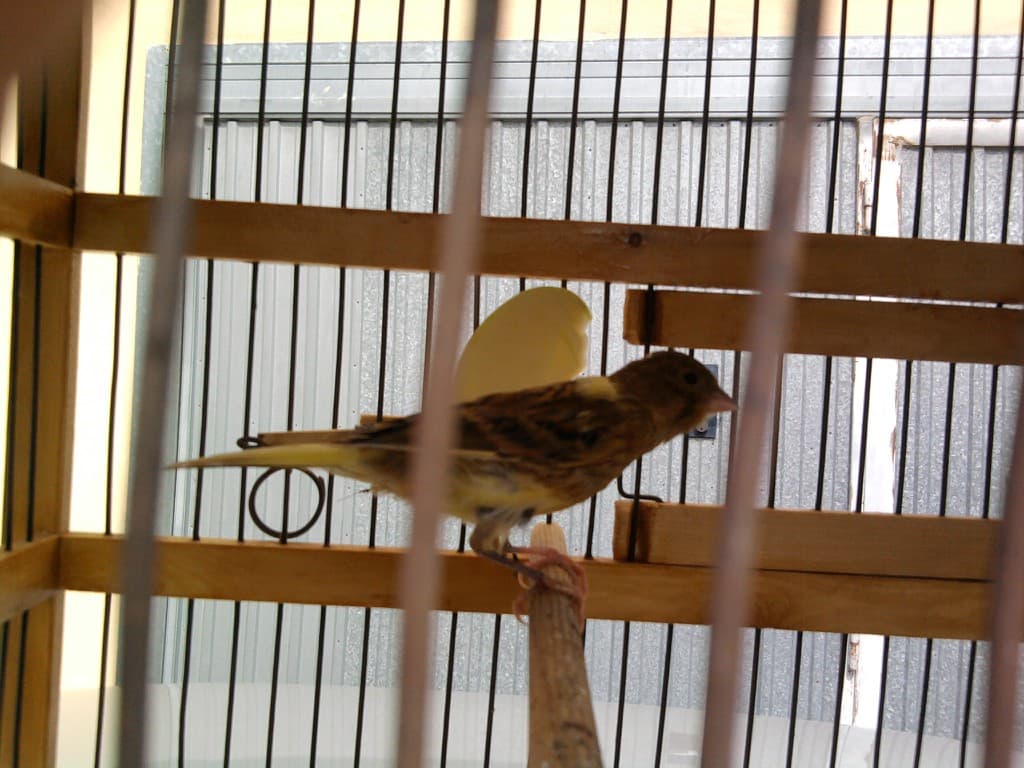
Best Cage Size for a Canary
What size cage a canary needs — why length matters more than height, practical minimum dimensions for one canary, sizes for pairs and flights, and safe bar spacing.
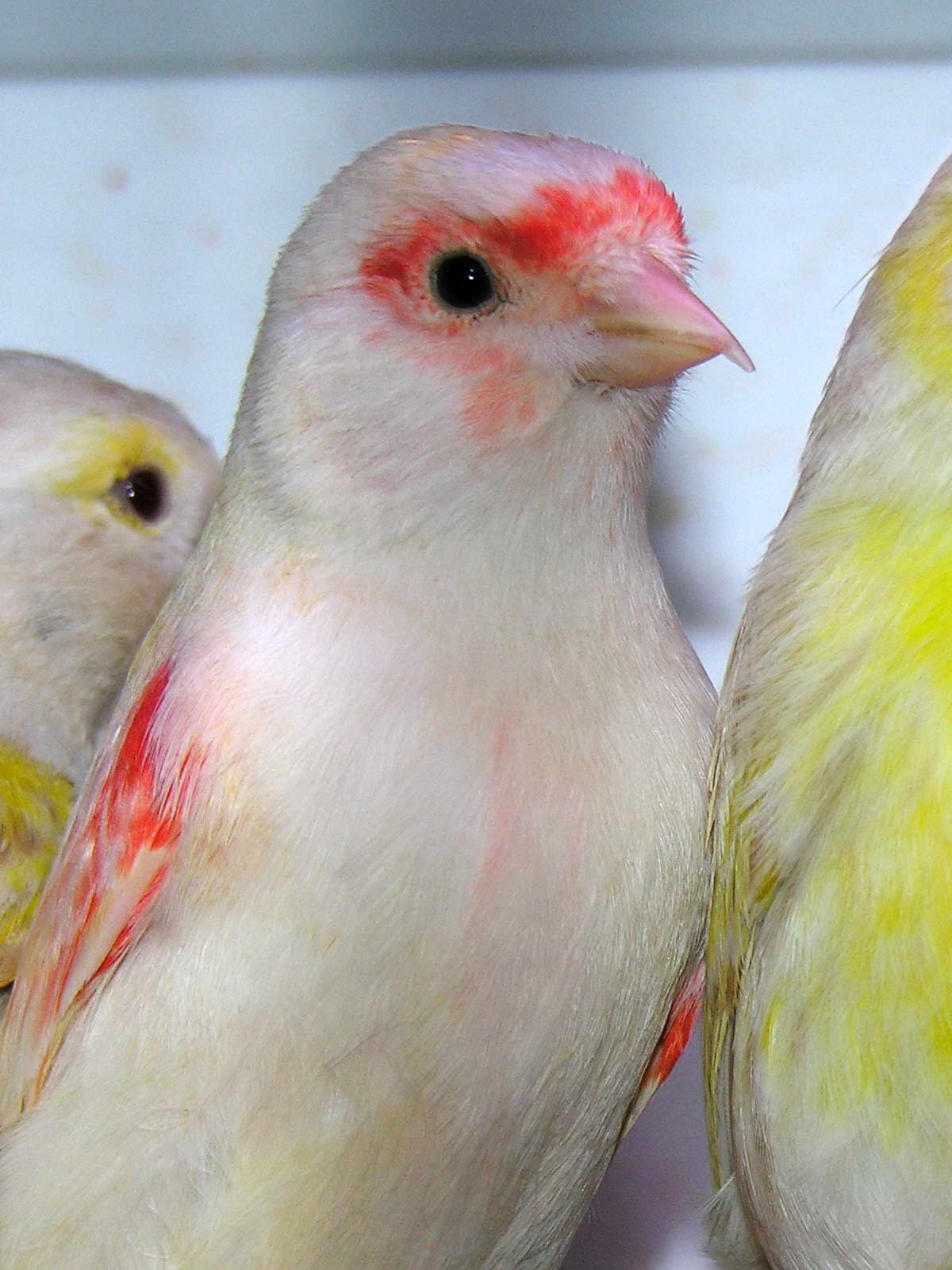
Signs of Canary Stress
How to recognize stress in a canary — panic, feather condition, reduced singing, appetite changes — the common causes at home and how to create a calmer environment.
Canary Throwing Food Out of the Feeder
Why canaries flick seed out of the feeder, which causes are normal, and practical fixes — feeder types, seed mix choice, seed guards and reducing waste.