Male Canary Attacking Female — Why It Happens and What to Do
Why a male canary chases or attacks a female, how to tell courtship from aggression, and what to do — separating, reintroducing with a divider and timing pairings.
In this guide
Quick answer A male canary usually attacks a female because the pair is not in condition at the same time — he is ready and she is not — or because the cage is too small, the birds were put together too quickly, or he is guarding food or the nest. Separate them if he pecks her head, pulls feathers or stops her eating. Put a wire divider between them and reintroduce them only when she clearly shows breeding readiness.
Courtship or aggression?
| Normal courtship | Aggression |
|---|---|
| Male sings, dances and follows the hen | Male pecks the hen's head or back |
| Short chases | Relentless chasing |
| Male tries to feed the hen | Hen cannot reach food or water |
| Hen calls back, carries nesting material | Hen hides, flattens, or has feathers pulled |
Common causes
- Mismatched condition — the most common cause.
- Introduced too quickly, without a divider period.
- Small cage — the hen cannot get away.
- Resource guarding — food, perch or nest.
- Individual temperament — some males are simply rough.
What to do
- Separate the birds if there is any injury or the hen cannot eat.
- Use a wire divider so they can see each other.
- Watch for mutual readiness — the male feeding through the wire, the hen calling and carrying material.
- Reintroduce in the morning, and watch.
- Consider a different pairing if aggression continues after several attempts.
Some breeders introduce the male only for mating and remove him afterwards.
Related: how to prepare canaries for breeding and canary fighting with another canary.
Frequently asked questions
Should I separate a male canary that is chasing the female?
Some chasing is normal courtship. Separate them if the male pecks her head, pulls feathers, prevents her from eating or drinking, or she hides and stops behaving normally.
Will a separated pair accept each other later?
Often yes. Many pairs that fail at first succeed when reintroduced a week or two later through a divider, once both are fully in condition.
This guide shares general husbandry information and practical keeping experience. It is not veterinary advice. If your canary seems unwell, contact an avian veterinarian. Spotted an error? Report a correction.
Related guides
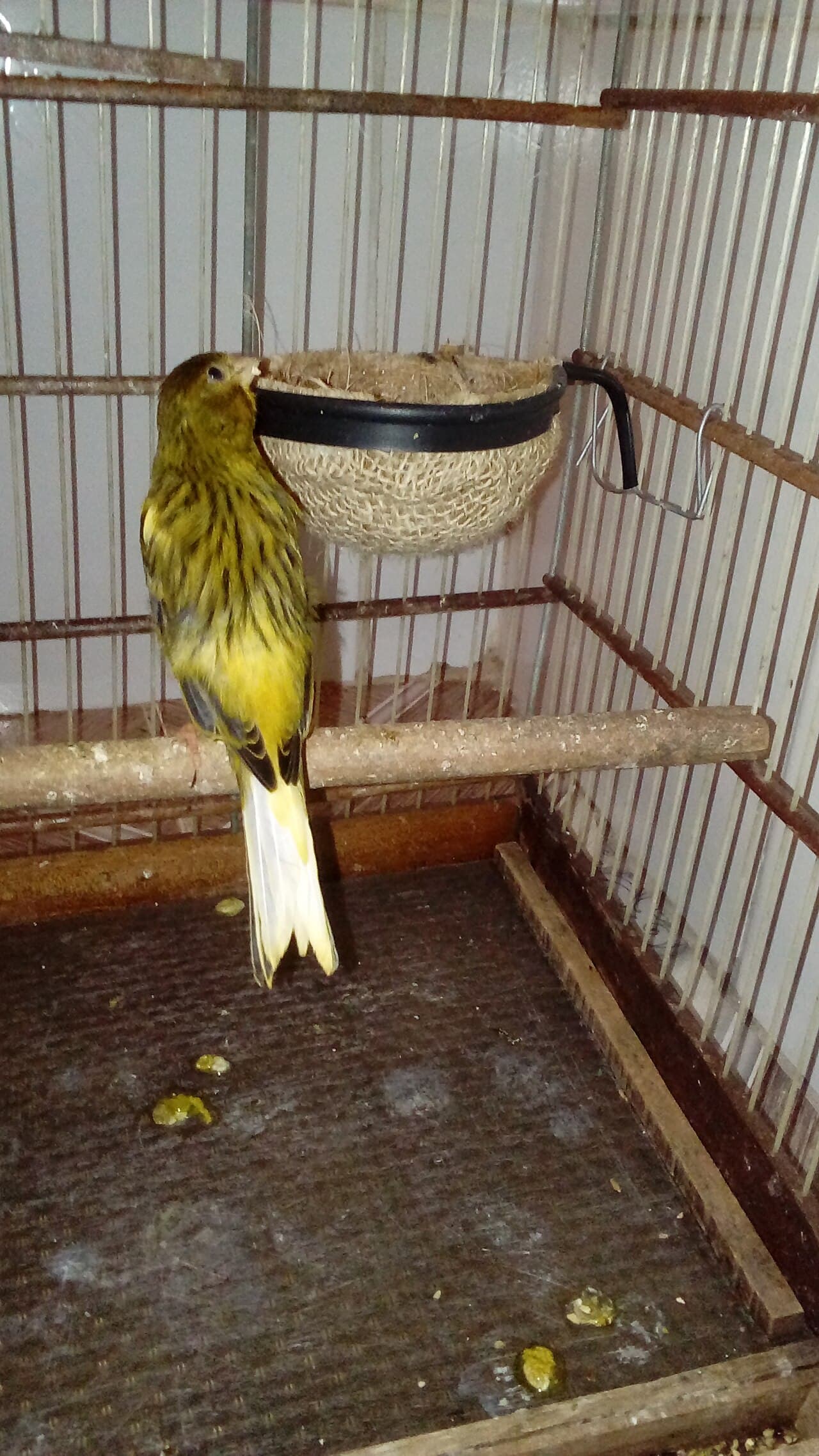
How to Prepare Canaries for Breeding
How to prepare canaries for breeding — health checks, conditioning diet, daylight, timing, and the signs that male and female canaries are ready to pair.
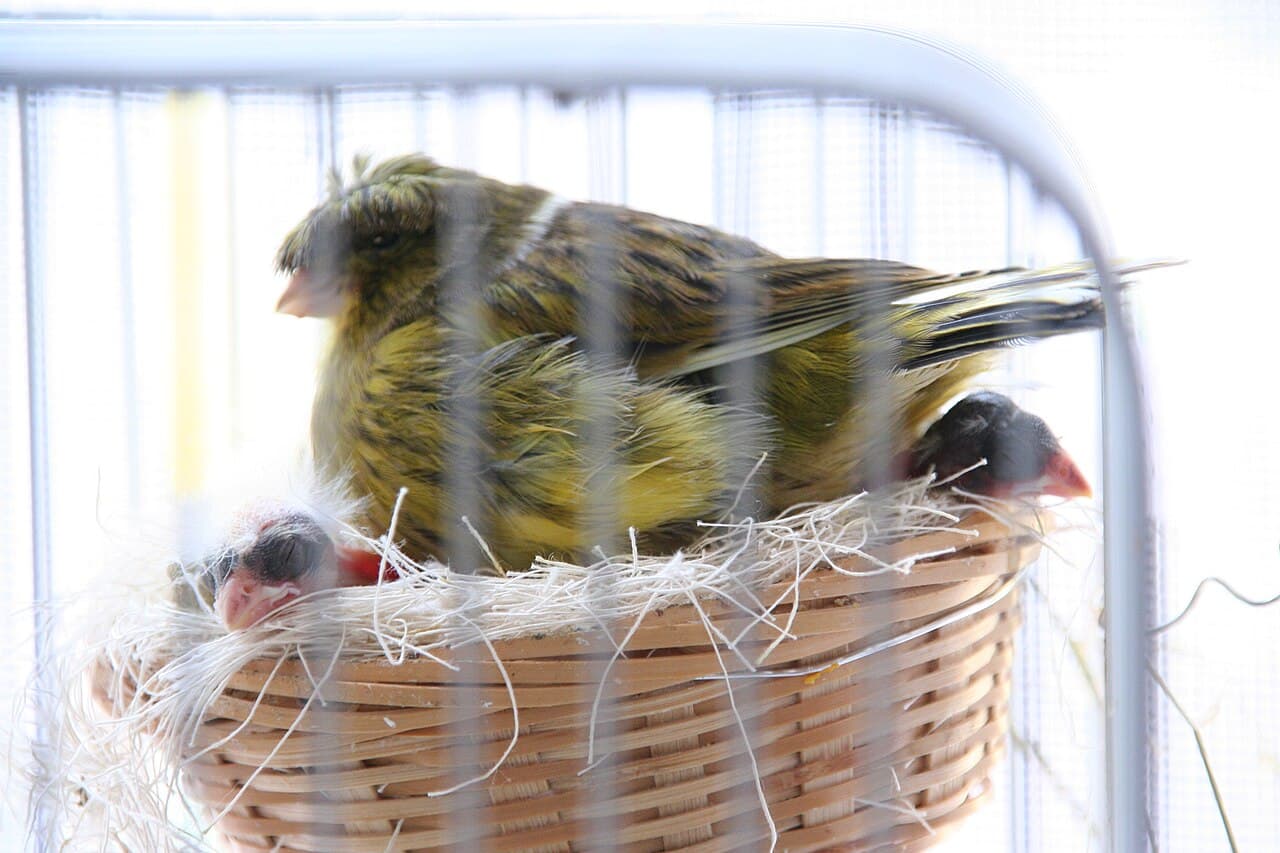
Complete Canary Breeding Guide
A step-by-step canary breeding guide: choosing and conditioning pairs, breeding cages, nests, eggs, incubation, chicks, weaning and how many rounds to allow.
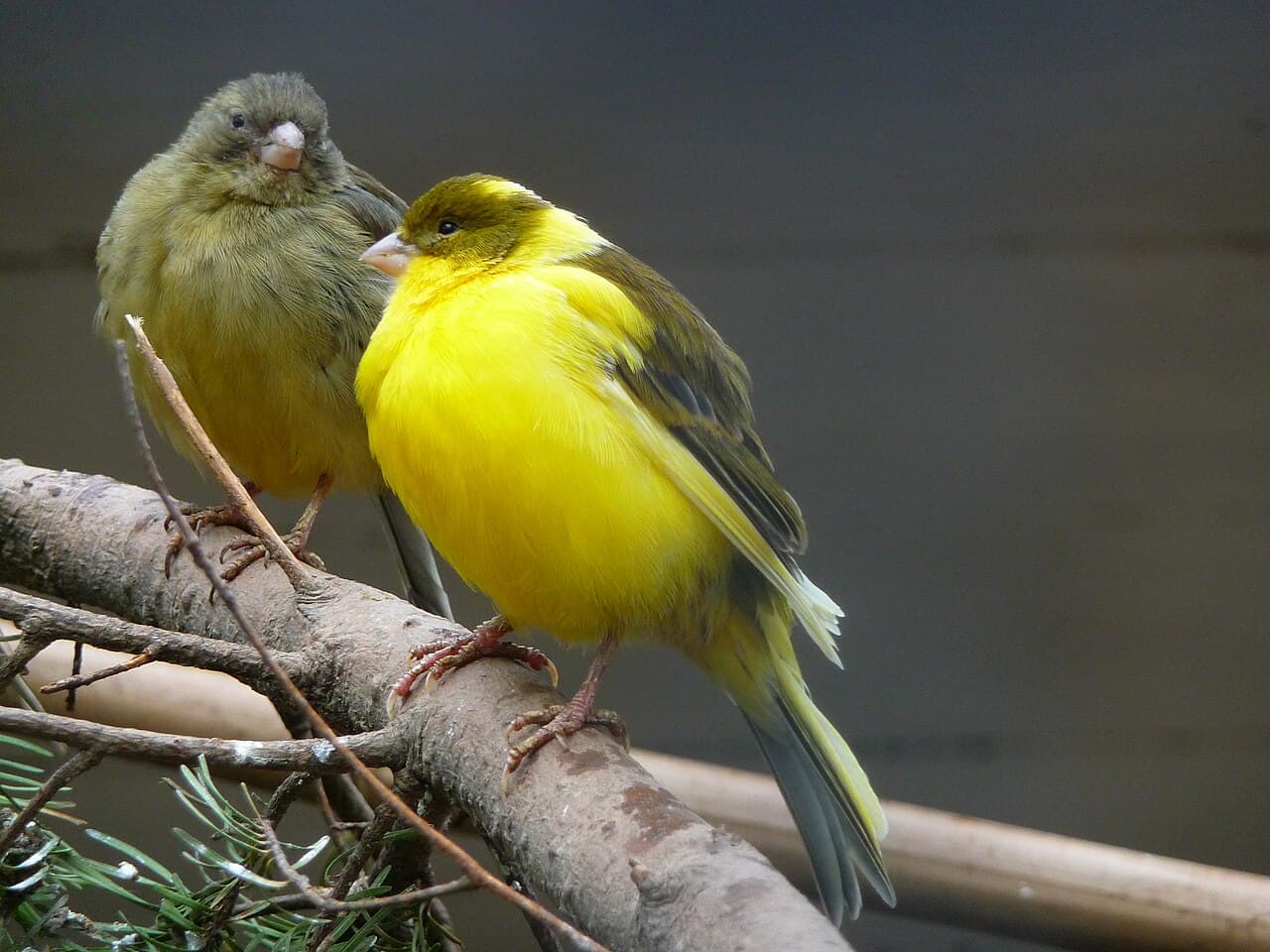
Canary Fighting With Another Canary
Why canaries fight or chase each other — two males, spring hormones, crowding, food guarding — and practical ways to stop fighting, including when to separate birds.
Canary Eggs Not Hatching
Why canary eggs do not hatch — infertile eggs, birds not in condition, incubation problems, disturbance, humidity — and how to improve results in the next round.