Canary Nest Setup — Nest Pans, Liners and Nesting Material
How to set up a canary nest — choosing and positioning a nest pan, felt liners, safe nesting materials, what to avoid, and what to do when a hen will not use the nest.
In this guide
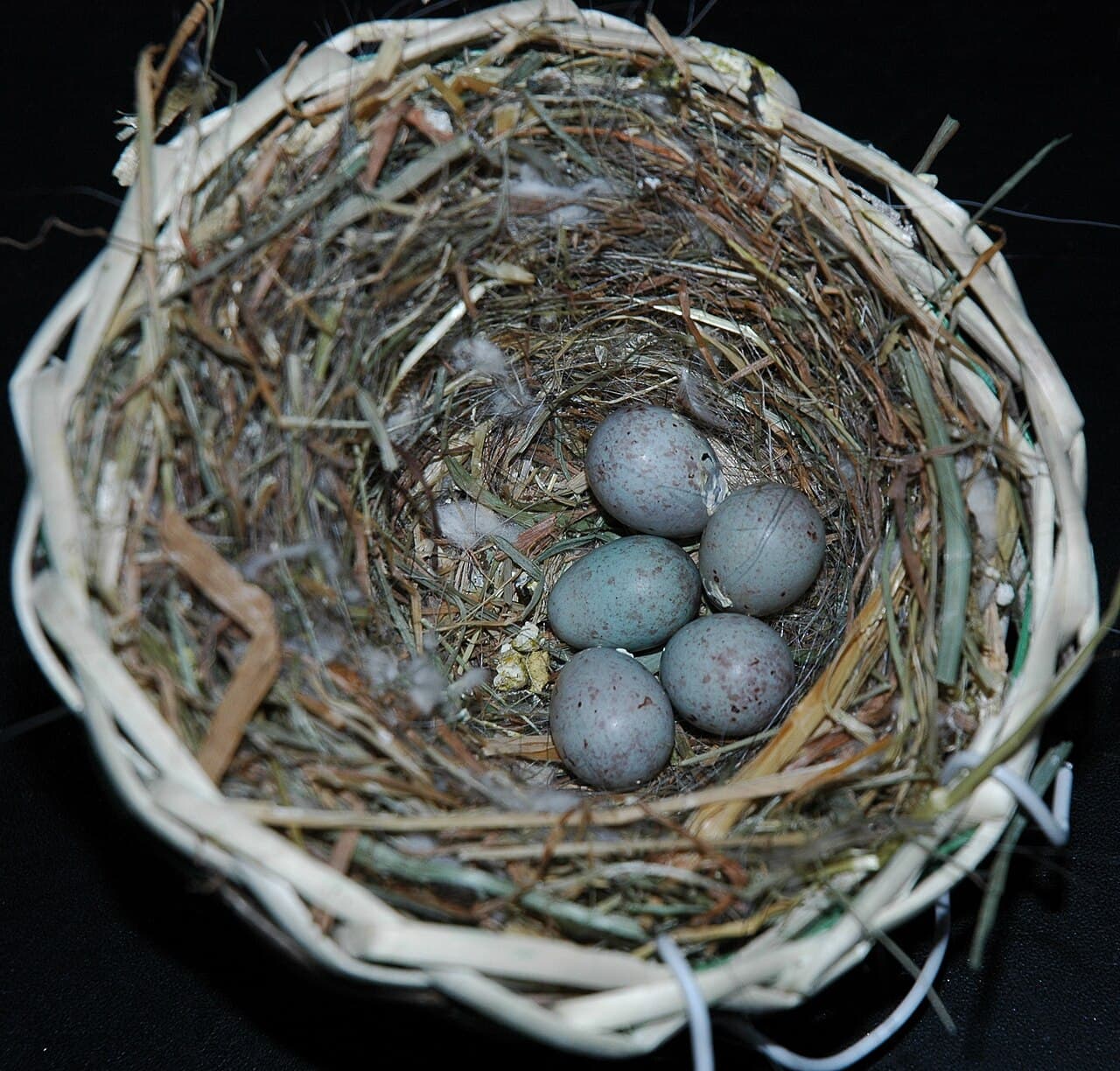
Quick answer Fix a canary nest pan high up in the breeding cage, at the opposite end from the food, with a felt liner stitched or glued inside. Offer safe nesting material — short jute, coconut fiber, soft dry grass or commercial canary nesting material — and let the hen build the nest herself. Avoid long fibers and threads that can tangle toes.
The nest pan
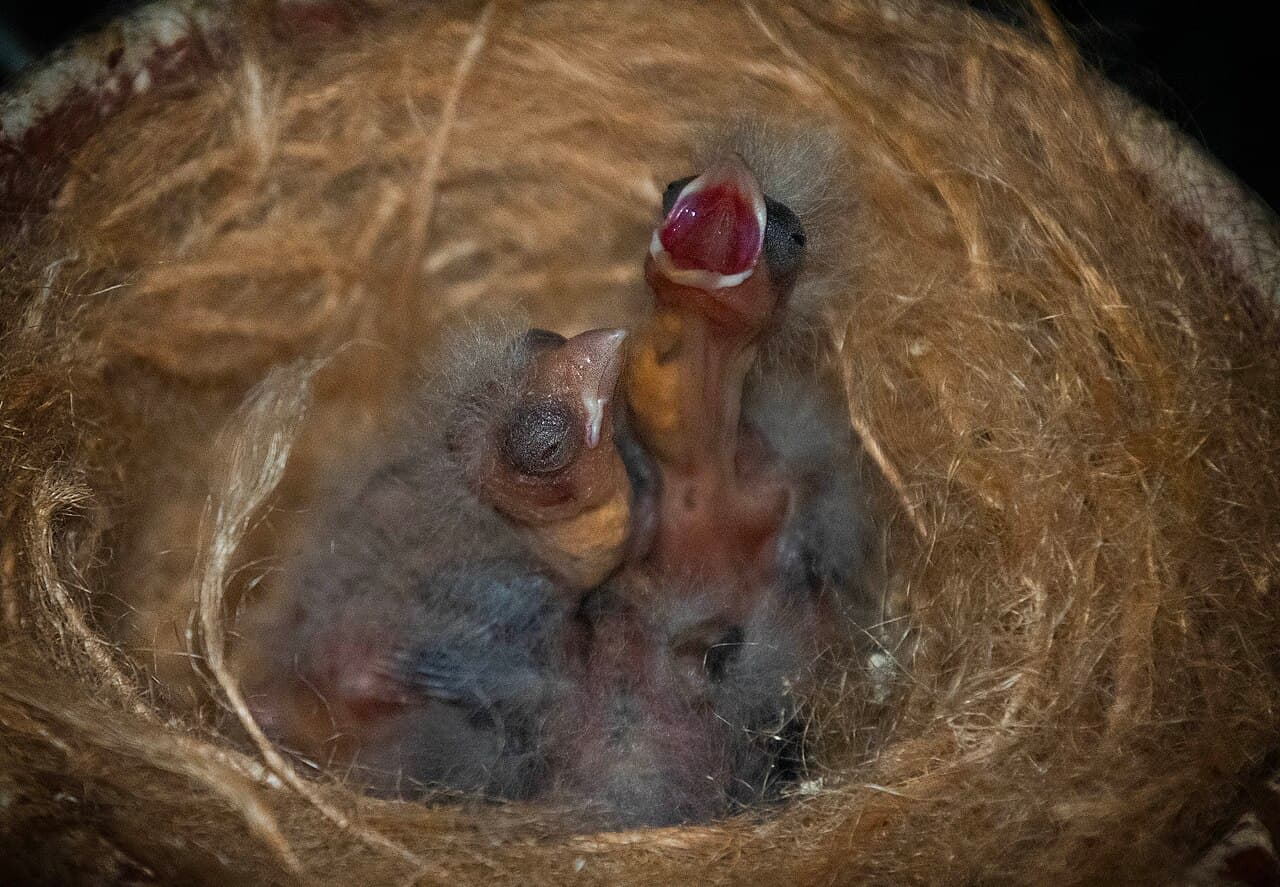
Canaries naturally build cup-shaped nests. In captivity this is usually done in a nest pan — a shallow bowl made of plastic, wicker or earthenware.
- Choose a pan roughly 10 cm (4 in) across, made for canaries.
- Fix a felt liner inside so the hen has a grip and the eggs are cushioned.
- Position it high in the cage, often in a back corner or attached to the outside of the cage with a nest-pan holder.
- Place a perch near the pan so the birds can reach it easily.
- Keep it away from food and water and out of direct light.
Safe nesting materials
| Material | Suitable? | Notes |
|---|---|---|
| Commercial canary nesting material | Yes | Usually jute or coconut fiber blends |
| Short jute fiber | Yes | Cut short |
| Coconut fiber | Yes | Popular base material |
| Soft dried grass (unsprayed) | Yes | Fully dried and clean |
| Feathers from a clean source | Some breeders use | Only clean, safe feathers |
| Long thread, string, wool | No | Can tangle feet and legs |
| Long-fiber cotton wool | Avoid | Fibers can wrap around toes |
| Paper strips | Possible | Some hens use them; less ideal |
Offer material in a wire rack or loose on the floor. Give a small amount at a time so the hen does not just scatter it.
When to provide the nest
Put the nest pan in when the hen shows clear interest — carrying material, tearing paper, calling. Giving it too early can lead to a half-built nest that is abandoned.
Hen not using the nest?
Common reasons:
- She is not yet fully in condition.
- The nest is in the wrong place — too low, too exposed or too close to food.
- The pan is unfamiliar — try a different style.
- The room is busy or disturbed.
Some hens build several nests or rearrange material repeatedly before settling. See the complete canary breeding guide.
Hygiene between rounds
Remove and clean the nest pan after chicks are weaned. Replace the liner and use fresh nesting material for every round. See canary eggs and incubation for the next stage.
Frequently asked questions
Should I build the nest for my canary?
No. Provide the nest pan, liner and material, and let the hen build. Building the nest is part of the hen coming into laying condition.
Can I use cotton wool as nesting material?
Long-fiber cotton wool and similar fluffy synthetic materials are best avoided because fibers can wrap around toes and legs. Use materials sold for canary nesting, such as short jute, coconut fiber or soft dried grass.
This guide shares general husbandry information and practical keeping experience. It is not veterinary advice. If your canary seems unwell, contact an avian veterinarian. Spotted an error? Report a correction.
Related guides
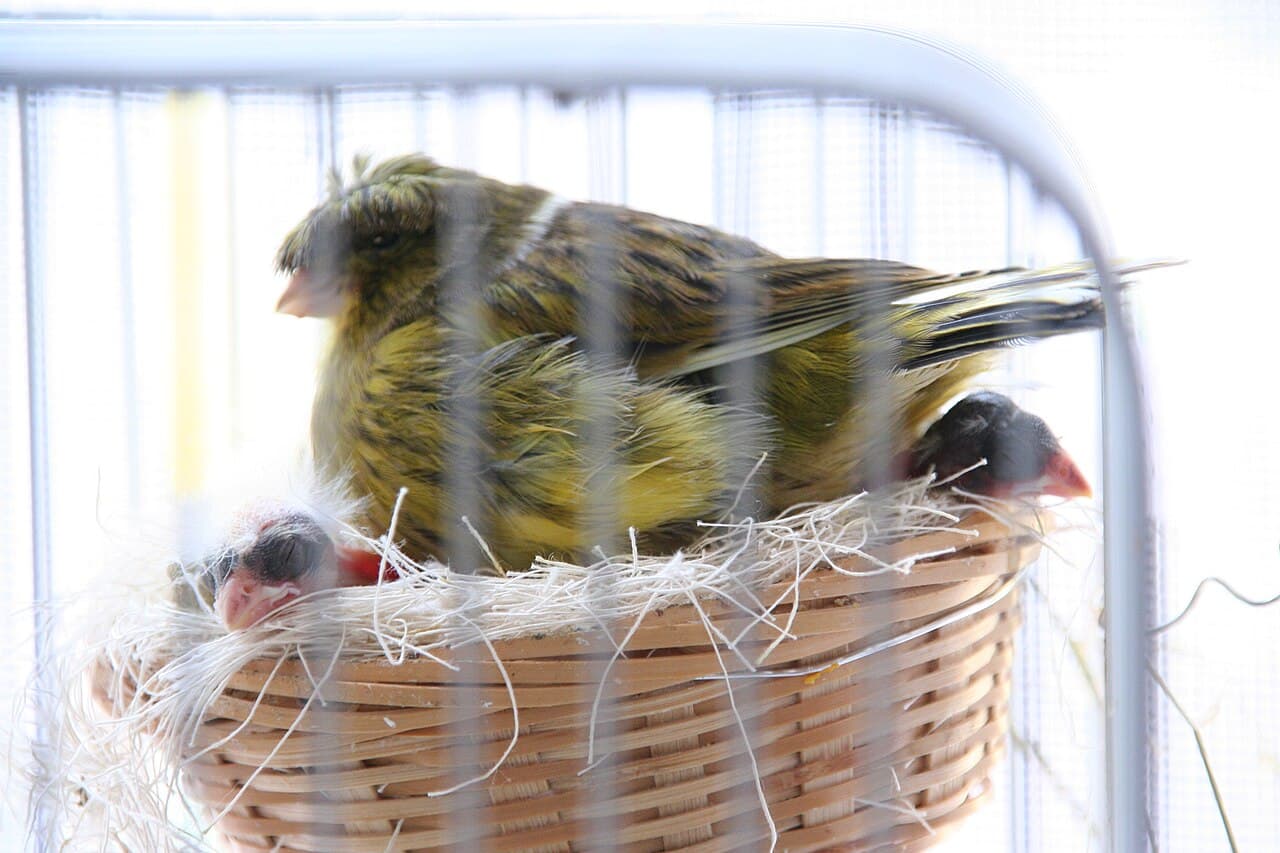
Complete Canary Breeding Guide
A step-by-step canary breeding guide: choosing and conditioning pairs, breeding cages, nests, eggs, incubation, chicks, weaning and how many rounds to allow.
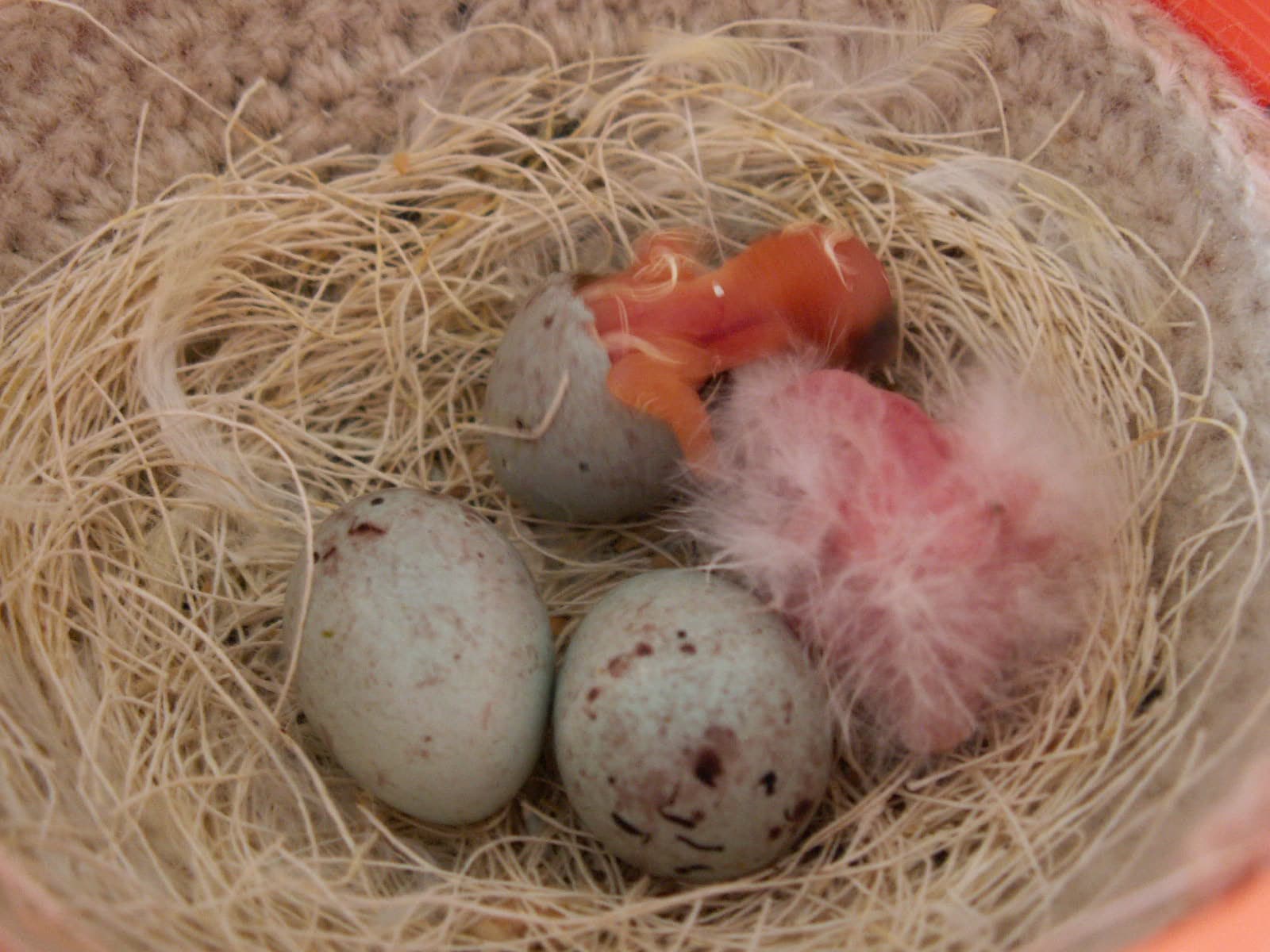
Canary Eggs and Incubation
Everything about canary eggs — how many eggs canaries lay, laying pattern, dummy eggs, how long incubation takes, candling, hatching and common egg problems.
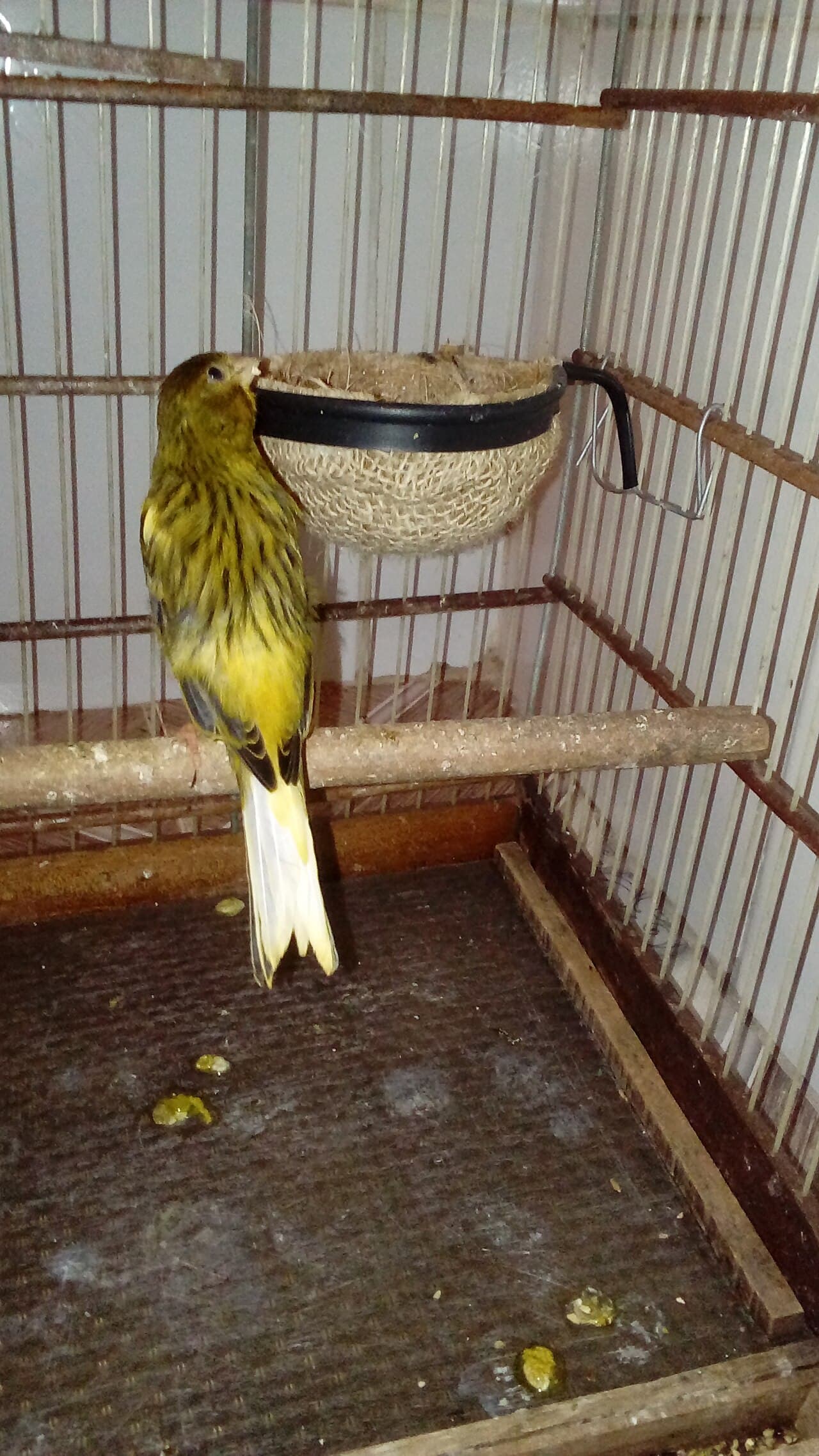
How to Prepare Canaries for Breeding
How to prepare canaries for breeding — health checks, conditioning diet, daylight, timing, and the signs that male and female canaries are ready to pair.
Canary Chick Care
A practical guide to canary chick care — what parents feed baby canaries, what to provide, nest checks, ringing, fledging, weaning and common chick problems.